
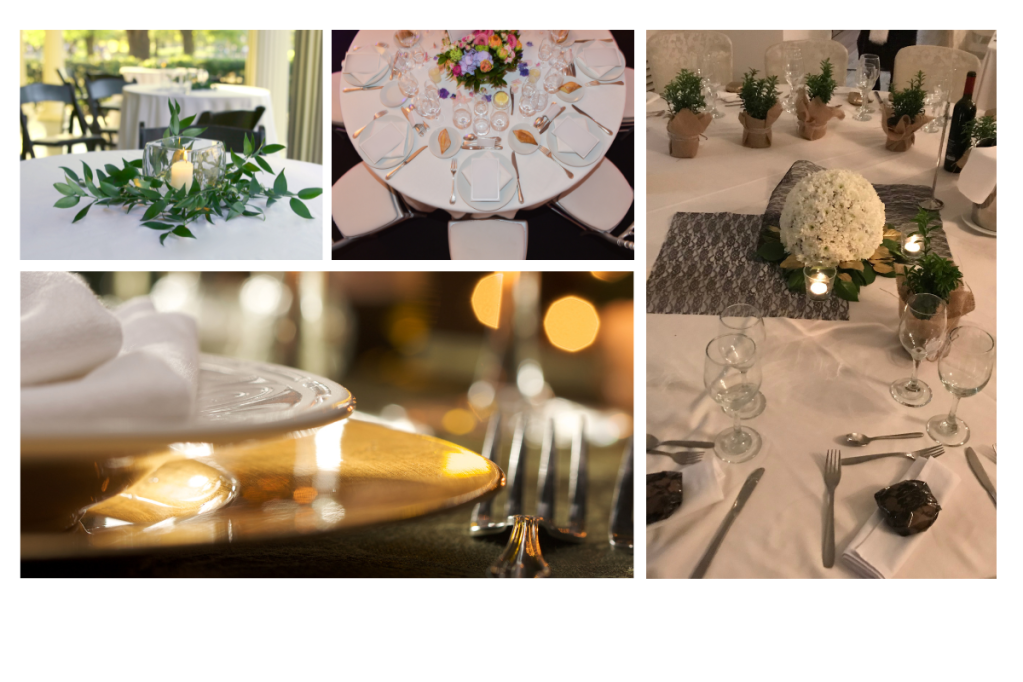
Formal dinner plates are large, elegant plates that are typically used for formal occasions such as weddings, black-tie events, and fancy dinner parties. These plates are usually made of high-quality porcelain or bone china and are often decorated with intricate designs and patterns.
Formal dinner plates are important because they play a significant role in setting the tone for a formal dining experience. They are typically used as the base for each course of the meal, and their elegant appearance adds a touch of sophistication and refinement to the dining table. The use of formal dinner plates also signals to guests that they are expected to behave in a certain way, with proper etiquette and manners.
The purpose of this article is to provide readers with a deeper understanding of formal dinner plates, including their history, different styles and designs, and tips for selecting the right ones for a formal occasion. Additionally, the article will explore the etiquette and proper use of formal dinner plates, including how to set a formal table and how to serve and clear dishes during a formal meal. Overall, this article will serve as a comprehensive guide to the use of formal dinner plates in formal dining settings.
Formal dinner plates have a long and rich history, dating back to ancient times. The earliest examples of formal dinnerware can be traced back to ancient China, where the elite would dine on porcelain plates decorated with intricate designs and patterns.
In Europe, formal dinner plates became popular during the Renaissance period, when the wealthy would commission artists to create elaborate tableware for their dining rooms. These plates were often made of fine porcelain or silver and were decorated with detailed engravings and designs.
Over time, formal dinner plates continued to evolve, with new styles and materials becoming popular. During the 18th and 19th centuries, for example, the English developed a love for ornate dinnerware, with plates featuring delicate floral patterns and gold accents. In the 20th century, formal dinner plates became more streamlined and minimalist in design, with a focus on simplicity and elegance.
Throughout history, formal dinner plates have played an important role in social settings. They have been used to convey wealth and status, as well as to signal the importance of formal occasions. Today, formal dinner plates are still an important part of formal dining settings, and they continue to be used to create a sense of elegance and sophistication at formal events.
There are several different styles of formal dinner plates to choose from, each with its own unique look and feel. Some of the most popular styles of formal dinner plates include:
Classic: Classic formal dinner plates are typically round in shape and feature a simple, elegant design. They are often made of porcelain or bone china and are decorated with a subtle pattern or border.
Modern: Modern formal dinner plates are often square or rectangular in shape and feature a minimalist design. They are typically made of porcelain or stoneware and are decorated with a single color or simple pattern.
Decorative: Decorative formal dinner plates are designed to be eye-catching and ornate. They may feature intricate patterns, colorful designs, or even hand-painted details. They are often made of porcelain or bone china and are perfect for special occasions and formal events.
In terms of materials, formal dinner plates are typically made of high-quality porcelain, bone china, or stoneware. These materials are durable, lightweight, and resistant to chipping and scratching.
When it comes to design and decoration options, formal dinner plates can be found in a wide range of styles. Some popular design elements include floral patterns, geometric shapes, and gold or silver accents. Some plates may also feature embossed or engraved details, adding an extra level of sophistication and elegance to the overall design. The color palette for formal dinner plates tends to be muted and classic, with shades of white, cream, and ivory being the most common choices.
Selecting the right formal dinner plates can be an important decision when planning a formal event or designing a formal dining room. Here are some factors to consider when choosing formal dinner plates:
Style and Design: Consider the overall style and design of your dining room, as well as the style of the event you are hosting. Choose plates that complement your existing décor and the theme of your event.
Size and Shape: Formal dinner plates come in a variety of sizes and shapes. Consider the size of your dining table and the size of the plates you will need for each course of the meal.
Material: Formal dinner plates are typically made of porcelain, bone china, or stoneware. Consider the durability and weight of each material when selecting your plates.
Quality: Look for plates that are of high quality, with a smooth surface and even edges. The quality of the plates can have a significant impact on the overall appearance of the table setting.
Color: Consider the color of the plates and how they will coordinate with other elements of the table setting, such as the tablecloth, napkins, and centerpieces.
When matching formal dinner plates with your dining room décor, it’s important to consider the color scheme and style of your existing furnishings. If you have a traditional dining room with ornate décor, consider choosing plates with intricate patterns or gold accents. If you have a modern dining room with a minimalist design, opt for plates with a simple, understated design.
Here are some tips for finding the right formal dinner plates for your needs:
Consider your budget and look for plates that offer a good balance of quality and affordability.
Look for plates that are versatile and can be used for a variety of occasions.
Consider purchasing a set of formal dinner plates that includes matching dishes for other courses of the meal, such as salad plates, soup bowls, and dessert plates.
Take the time to carefully inspect the plates before making a purchase, looking for any defects or imperfections that could impact their overall appearance.
Consider purchasing plates from a reputable brand or retailer that specializes in formal dinnerware. This can help ensure that you are getting high-quality plates that are designed specifically for formal occasions.
Proper care and maintenance of formal dinner plates are essential for preserving their beauty and ensuring their longevity. Here are some tips for cleaning, maintaining, and storing your formal dinner plates:
Cleaning: Hand wash your formal dinner plates in warm water with a mild detergent. Avoid using abrasive sponges or cleaning agents that could scratch or damage the plates. Dry the plates with a soft cloth or let them air dry.
Maintenance: Inspect your plates regularly for any cracks, chips, or other damage. If you notice any issues, remove the plates from use and have them repaired or replaced.
Storage: Store your formal dinner plates in a dry, cool place, away from direct sunlight and moisture. Stack the plates vertically, with a protective layer of paper or felt between each plate to prevent scratches and damage.
Handling: Handle your formal dinner plates with care, avoiding rough or sudden movements that could cause them to break. When transporting your plates, wrap them in protective padding and secure them in a sturdy container to prevent damage.
Display: If you plan to display your formal dinner plates, use plate stands or hangers that are specifically designed for this purpose. Avoid hanging plates in direct sunlight, as this can cause fading and damage over time.
By following these tips, you can ensure that your formal dinner plates remain in excellent condition for years to come. With proper care and maintenance, your plates will continue to add elegance and sophistication to your formal dining experiences.
 Hey Singapore