
Introduction
Chenille is a type of fabric that is known for its plush and velvety texture. Its name comes from the French word “chenille,” which means caterpillar. This is because the fabric resembles the soft, fuzzy body of a caterpillar. Chenille fabric is made by weaving a fuzzy yarn onto a base fabric, creating a pile that is soft and fluffy to the touch. Chenille has been used for centuries for a variety of applications, including clothing, upholstery, and home decor. In this article, we will explore the history, production, uses, and care of chenille fabric.
Chenille is a timeless fabric that has remained popular for centuries. Its soft and plush texture has made it a popular choice for winter clothing and home decor, and its durability has made it a popular choice for upholstery and bedding. Chenille can be found in a variety of colors, patterns, and textures, making it a versatile material that can be used in a wide range of applications.
In recent years, there has been a resurgence of interest in chenille fabric, particularly in the fashion industry. Designers have been incorporating chenille into their collections, creating sweaters, jackets, and scarves that combine comfort and style. Chenille has also been used in accessories such as handbags and shoes, adding a touch of luxury to everyday wear.
Despite its popularity, chenille is not without its drawbacks. Because of its texture, chenille can be difficult to clean and care for, and it is not as resistant to wear and tear as some other fabrics. Additionally, chenille is not as breathable as some other fabrics, which can make it uncomfortable to wear in warmer temperatures.
However, these drawbacks are outweighed by the many benefits of chenille fabric. Its softness and plush texture make it a comfortable and cozy choice for winter clothing and home decor, and its durability makes it a long-lasting choice for upholstery and bedding. With proper care and maintenance, chenille fabric can continue to provide warmth and comfort for many years to come.
In conclusion, chenille is a luxurious, versatile, and timeless fabric that has been popular for centuries. Its plush texture and softness make it a popular choice for winter clothing and home decor, and its durability makes it a long-lasting choice for upholstery and bedding. While it may require special care and maintenance, the benefits of chenille fabric are well worth the effort. Whether used for clothing, home decor, or crafts, chenille fabric is a classic material that will never go out of style.
Chenille Fabric in Home Decor
Chenille fabric is a popular choice for home decor because of its plush texture and softness. It can add warmth and comfort to any room, whether used in a throw pillow, blanket, or upholstery. Chenille is often used in living rooms, bedrooms, and home offices, creating a cozy and inviting atmosphere.
One popular use of chenille fabric in home decor is as a throw pillow cover. Chenille pillows can add a pop of color and texture to a neutral sofa or chair, and can be easily swapped out to change the look of a room. Chenille blankets are also a popular choice for adding warmth and texture to a bed or sofa.
Chenille upholstery is another popular use of this fabric in home decor. Chairs, sofas, and ottomans upholstered in chenille can add a touch of luxury and comfort to any room. However, because of its delicate texture, chenille upholstery may require more frequent cleaning and care than other types of upholstery.
Chenille curtains are also a popular choice for adding texture and softness to a room. These curtains can provide insulation and privacy, while also adding a cozy touch to the decor. Chenille curtains come in a variety of colors and patterns, making it easy to find a style that complements any decor.
Chenille Fabric in Fashion
Chenille fabric is also popular in the fashion industry, particularly in the fall and winter seasons. Its soft and plush texture makes it a cozy and comfortable choice for sweaters, scarves, and jackets. Chenille can be found in a variety of styles and colors, from chunky knit sweaters to lightweight scarves.
One popular use of chenille in fashion is in sweater dresses. Chenille sweater dresses are a comfortable and stylish choice for colder weather, and can be dressed up or down depending on the occasion. Chenille cardigans are also a popular choice for layering over tops and dresses.
Chenille scarves are another popular choice for adding texture and warmth to an outfit. These scarves can be found in a variety of colors and patterns, from solid colors to bold prints. Chenille hats and gloves are also popular accessories for colder weather, providing both warmth and style.
Chenille shoes are a newer trend in the fashion industry. Chenille has been used to create cozy and comfortable slipper-like shoes, as well as stylish boots and sneakers. These shoes can add a touch of luxury to any outfit, while also providing comfort and warmth.
Chenille Fabric in Crafts
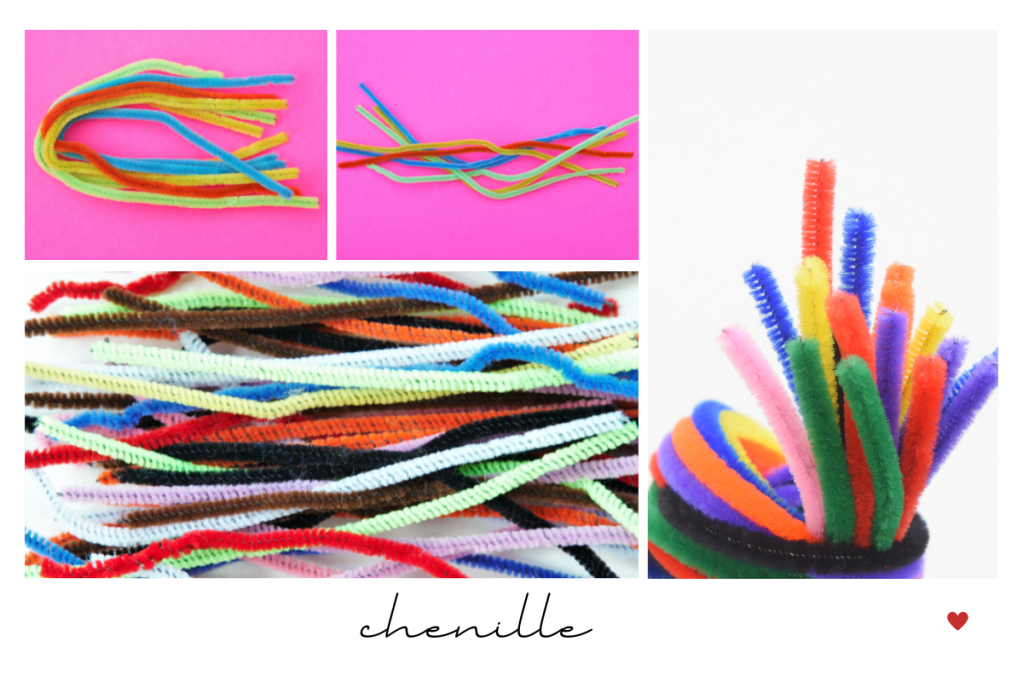
Chenille fabric is also popular in the crafting community. Its soft and plush texture makes it a popular choice for stuffed animals, pillows, and other home decor items. Chenille stems, also known as pipe cleaners, are a popular choice for children’s crafts.
One popular use of chenille in crafts is in the creation of stuffed animals and toys. Chenille fabric is a soft and cuddly choice for creating animals such as bears, bunnies, and cats. Chenille can also be used to create pillows and other home decor items, such as wreaths and wall hangings.
Chenille stems, or pipe cleaners, are a popular choice for children’s crafts. These stems can be bent and shaped into a variety of shapes and figures, making them a versatile crafting material. Chenille stems can be found in a variety of colors, making it easy to create a colorful and fun craft project.
Conclusion
Chenille fabric is a versatile and popular material that can be used in a wide range of applications. Its soft and plush texture makes it a popular choice for winter clothing and home decor, and its durability makes it a long-lasting choice for upholstery and bedding. While it may require special care and maintenance, the luxurious feel of chenille fabric is worth the effort for those who appreciate its unique qualities.
History
Chenille fabric has a long and rich history. The origins of chenille can be traced back to the early 18th century in France, where it was used for the first time to make bedspreads. The fabric was made by weaving a cotton or silk yarn onto a linen base, creating a pile that was then cut to create the characteristic soft and fluffy texture. The resulting fabric was so luxurious and comfortable that it quickly became popular among the French nobility.
In the 19th century, chenille fabric became more widely available and was used for a variety of applications, including clothing, upholstery, and home decor. During this time, chenille was also exported to other countries, including the United States. In the US, chenille bedspreads became particularly popular in the 1930s and 1940s, and were often made in small towns and sold door-to-door.
Production
Chenille fabric is made by weaving a fuzzy yarn onto a base fabric, such as cotton or silk. The yarn is usually made of a combination of cotton, rayon, and acrylic fibers, which gives the fabric its plush and velvety texture. Chenille yarn is made by twisting short lengths of fuzzy yarn together, creating a dense, soft pile.
There are two main types of chenille yarn: cut chenille and uncut chenille. Cut chenille yarn is made by cutting the loops of the yarn, creating a pile that is soft and fluffy. Uncut chenille yarn is made by leaving the loops intact, creating a more textured and shaggy pile.
Chenille fabric can be made using a variety of weaving techniques, including plain weave, twill weave, and jacquard weave. Jacquard weave is a complex weaving technique that allows for intricate patterns and designs to be woven into the fabric.
Uses
Chenille fabric is a versatile material that can be used for a variety of applications. Some of the most common uses of chenille include:
Clothing: Chenille is often used to make soft and cozy sweaters, scarves, and hats. Its plush texture makes it perfect for winter wear.
Upholstery: Chenille is a popular choice for upholstery because of its softness and durability. It is often used for sofas, armchairs, and ottomans.
Home decor: Chenille is also commonly used for home decor, including curtains, throw pillows, and blankets. Its plush texture adds a cozy and luxurious feel to any room.
Bedding: Chenille bedspreads and blankets have been popular for centuries because of their softness and warmth. They are often used in guest rooms and inns.
Crafts: Chenille can be used for a variety of crafts, including knitting, crocheting, and sewing. Its soft and fluffy texture makes it perfect for creating stuffed animals, pillows, and other plush items.
Care
Chenille fabric requires special care to maintain its plush and velvety texture. Here are some tips for caring for chenille fabric:
Dry clean: Chenille fabric should be dry cleaned to avoid damaging the texture. Avoid washing it in a washing machine or hand washing, as this can cause the fibers to mat together and lose their softness.
Spot clean: If a spill or stain occurs, use a damp cloth to gently blot the affected area. Do not rub or scrub the fabric, as this can damage the fibers.
Avoid direct sunlight: Chenille fabric should be kept out of direct sunlight, as this can cause the fibers to fade and weaken.
Brush gently: Use a soft-bristled brush to gently brush the fabric in the direction of the pile. This will help to maintain the softness and texture of the fabric.
Store properly: When not in use, chenille fabric should be stored in a cool, dry place. Avoid folding or creasing the fabric, as this can cause the fibers to mat together.
Conclusion
Chenille fabric is a luxurious and versatile material that has been used for centuries for a variety of applications. Its plush and velvety texture adds a cozy and luxurious feel to clothing, upholstery, home decor, bedding, and crafts. Chenille fabric requires special care to maintain its texture and softness, and should be dry cleaned and spot cleaned as needed. With proper care, chenille fabric can last for many years and continue to provide warmth and comfort.
 Hey Singapore