
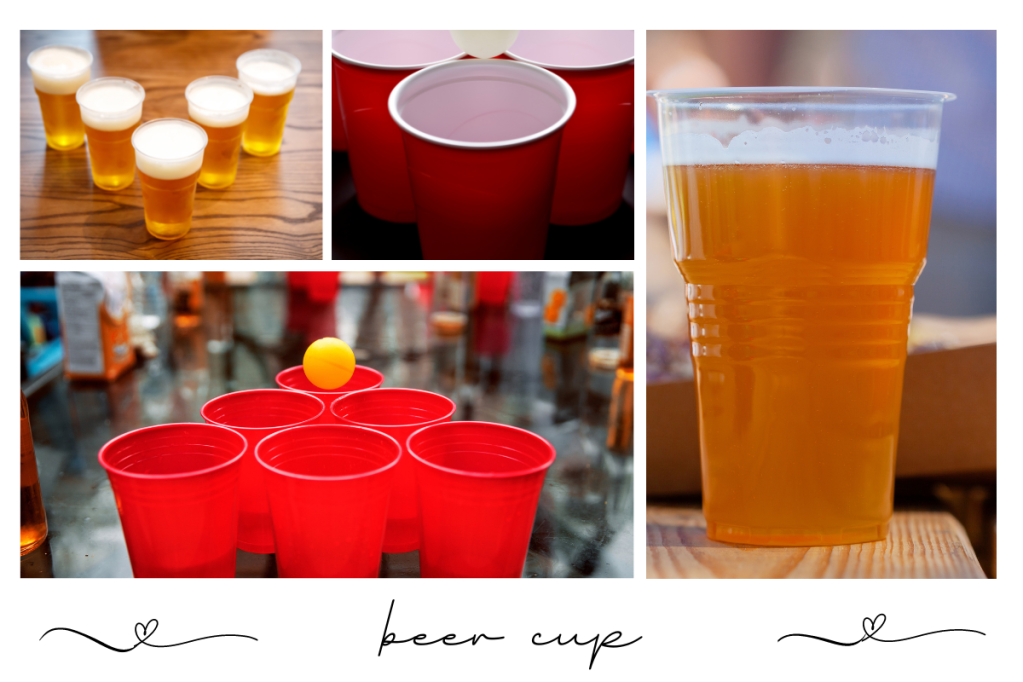
Beer, as a beverage, has been consumed in a wide variety of vessels over the years. The beer cup has come a long way from its humble beginnings in clay pots to its modern incarnation as an elaborate glass stein. This essay will take you on a journey through time and space as we investigate the origins, evolution, and practical application of beer mugs.
Beer cups, often known as beer mugs, are a specialized style of mug used for beer. Beer glasses range from small sample glasses to large tankards that may hold many pints of beer, and are often made of glass or ceramic. The tulip-shaped glass, beloved by many craft beer connoisseurs, is only one example of a beer cup specifically intended to complement the unique scent and flavor of its contents.
The history of the beer mug begins with the ancient practice of fermenting grains and other crops to make alcoholic beverages. Gourds, animal horns, and stones with hollow interiors were common early containers for liquid consumption. But, as brewing methods improved, so did the vessels used to consume it. Beer mugs made of wood, metal, and earthenware were common across Europe by the Middle Ages.
The beer cup has developed alongside modern beer styles. Among the many options for beer cups, glass has quickly risen to prominence due to its transparency, durability, and ability to display the beer’s color and carbonation to best effect. Crystal or leaded glass beer glasses, for instance, are said to improve both the beer’s visual appeal and its flavor.
Another factor to think about is the beer cup’s style. In addition to being easy to lift and drink from, a high-quality beer cup should feel good in the hand. The experience of drinking a beer can also be affected by the form of the cup, with some designs being more optimal for particular beer varieties. A tall, thin pilsner glass, on the other hand, can amplify the carbonation and hop fragrance of a crisp lager. A wide-mouthed cup, on the other hand, may be best for drinking a thick, creamy stout.
There is no universally accepted standard for beer cup use. While some people are content with the tried-and-true, such as the dimpled pint glasses used in British pubs, others relish the opportunity to try something new. For some beer drinkers, collecting beer cups is a hobby in which they actively seek out unique examples of the art form from all over the world.
In sum, the beer cup is an interesting and adaptable drinking vessel that has had a significant impact on beer’s heritage and culture. Whatever your preference, from the traditional pint glass to the more elaborate tulip or snifter, there is a beer glass for you. So the next time you open a cold one, raise a glass to the simple beer cup that holds it. Beer has been a popular drink for generations, but the popularity of small, independent brewers and home brewing has led to a greater demand for quality beer than ever before. There is equal value in both the beer and the glass in which it is poured. The beer glass, or cup, serves as more than just a container for the beverage; it can also significantly improve the overall beer-drinking experience.
Beer’s scent and flavor can be affected by the cup it’s served in, and that’s where the science comes in. The quantity of head on a beer is influenced by the shape of the cup, which in turn affects how bitter or sweet the beer tastes. Beer’s aroma can be altered by the size of the cup used to enjoy it, with increased surface area allowing more volatiles to escape and be detected by the nose. Beer temperature can also be affected by the thickness and material of the cup, with thicker cups providing more insulation and keeping beer colder for longer.
Since each beer style has its own distinct flavor and fragrance profile, different glasses are suggested for various beers. Pilsner glasses are ideal for serving light lagers, whereas pint glasses and snifters are more suited to dark beers. Beers are best served in tall, narrow pilsner glasses, which highlight their clarity and preserve their head. The pint glass’s large opening lets more air in, heightening the flavor and aroma. The scent is concentrated and the stout’s nuanced flavors can really shine thanks to the snifter’s broad bowl and tiny mouth.
The beer cup serves a practical purpose, but it’s also aesthetically pleasing. There is a correlation between how beer looks and how it is perceived to taste and smell, thus a well-designed beer cup can enhance the overall beer-drinking experience. Beer drinking may be made all the more interesting and memorable with a one-of-a-kind beer cup.
Finally, the science of the beer glass is an essential part of appreciating the best beer. Beer’s flavor, aroma, and temperature can be altered by the cup’s form, size, thickness, and material. Beer drinking may be made more pleasurable and memorable with the correct mug. Beer, a foamy, carbonated drink that humans have been imbibing for generations, is a true classic. Nevertheless, have you ever pondered the rationale behind the choice of cup? Although seemingly unimportant, the shape of the beer glass has been shown to have a substantial impact on how enjoyable the beverage is to drink.
Let’s start with the beer cup’s form. Beer cups are designed with a more conical shape than standard glasses, which keeps the beer’s scent contained better than in a wide-mouthed glass. Beer’s scent is one of its most distinguishing features, and it may have a major impact on the overall drinking experience. The beer cup amplifies the flavor by enclosing the fragrance, making the drink more enjoyable.
Not only that, but the base of the beer cup is typically thicker and heavier than that of a standard cup. This serves two purposes: first, it keeps the beer from warming up too quickly, and second, it prevents the cup from toppling over. Because of the thicker base, the beer may be kept cold for longer.
Normal mugs and glasses, on the other hand, might not have been designed with beer in mind, which could result in a less-than-ideal experience. This might be because the beer got warmer since the opening was wider at the top, or because the glass wasn’t thick enough to keep the beverage cold.
It’s also important to note that the beer cup’s material can affect the beer’s flavor. Glass, ceramic, and stainless steel are commonly used to make beer glasses since they are non-reactive and won’t alter the taste of the beer. To the contrary, beer served in plastic or other reactive cups may pick up an unpleasant plastic or metallic flavor.
While the beer cup itself may appear inconsequential, it actually contributes significantly to the quality of the beer-drinking experience as a whole. Beer’s flavor is protected thanks to the container’s robust base, its narrow entrance, and the use of non-reactive material. The next time you reach for a beer, think about how the container could alter your experience. Choosing the correct container for your carefully crafted beer is just as much of an art form as creating the beer itself. Despite its seemingly uncomplicated design, the beer cup is a sophisticated technical feat with far-reaching effects on the enjoyment of a beer. The science of the beer cup takes into account how the cup’s dimensions, material, and shape might modify the beer’s scent, flavor, and overall impression.
Beer glasses are made specifically to highlight the beer’s individual qualities, making the drinking experience more enjoyable. No matter if you’re drinking from a tulip or a pint, the form of the cup affects the beer’s scent and flavor since it directs the carbonation release and distributes it across different parts of the tongue. Beer’s flavor can be affected by the cup’s construction, particularly if it’s made of glass or stainless steel, which can either increase or decrease the beer’s temperature, thereby keeping or releasing different flavors.
Beer cups are designed with the user’s comfort and convenience in mind, taking into account factors such as their size and form. Good beer mug design prevents spills and preserves carbonation, making it ideal for drinking on the go. Moreover, the cup ought to be sturdy enough to survive regular usage and cleaning.
In conclusion, the beer cup is more than just a container; it’s a masterfully created piece of engineering that enhances the entire drinking experience. A beer cup with thoughtful design may do more than just hold your beverage; it can improve your beer’s flavor, aroma, and presentation while also being ergonomically constructed for ease of use. Whether you consider yourself a beer expert or a novice, upgrading to a better beer cup will enhance your experience with this popular drink.
 Hey Singapore