
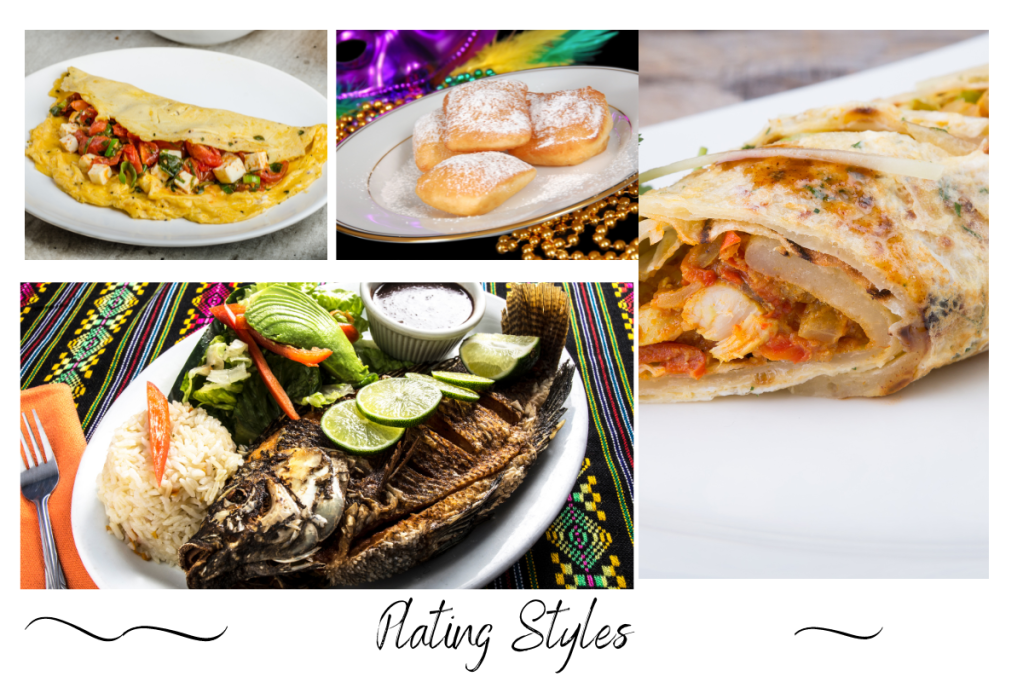
Food is not just about taste and nutrition, but also about presentation. Plating is an essential aspect of the culinary arts that involves arranging food on a plate to create an appealing and visually enticing presentation. A well-plated dish can elevate the dining experience and make it more enjoyable and memorable.
Plating styles have evolved over time, from traditional and classic styles to modern and artistic ones. Each style has its unique features and techniques that can transform a simple dish into a work of art. Traditional plating styles, such as the stacked or layered style, the circular style, and the scattered style, have been used for many years in fine dining establishments around the world. These styles are still popular today and are often used in high-end restaurants to create an elegant and refined presentation.
In recent years, modern plating styles have emerged, which are more minimalist and artistic in nature. These styles often incorporate negative space, unconventional shapes, and unexpected combinations of ingredients. They are designed to surprise and delight diners and are often seen in trendy restaurants and on social media.
The importance of plating styles in the culinary world cannot be overstated. A well-plated dish not only looks more appealing but also increases the perceived value and quality of the food. It can also help to tell a story about the dish, its ingredients, and the chef’s vision. Plating styles are an essential tool in the culinary arts and are used by chefs around the world to create beautiful and memorable dining experiences for their customers.
Traditional Plating Styles
The Stacked or Layered Style
The stacked or layered style involves building the dish upward by layering ingredients on top of each other. This style is often used for dishes that have multiple components, such as a salad or a dessert. The purpose of this style is to create height and depth on the plate, making the dish more visually appealing. The layers can also help to highlight the different flavors and textures of the dish.
An example of the stacked or layered style is a classic Caesar salad. The romaine lettuce is placed on the bottom, followed by croutons, shaved parmesan cheese, and finally, the dressing. This layering creates a visually stunning salad that is also delicious and easy to eat.
The Circular Style
The circular style involves arranging the ingredients in a circular pattern on the plate. This style is often used for dishes that have a single focal point, such as a steak or a fish fillet. The purpose of this style is to draw the eye to the center of the plate, highlighting the main ingredient and creating a sense of balance and harmony on the plate.
An example of the circular style is a classic steak dish. The steak is placed in the center of the plate, surrounded by a ring of roasted vegetables or mashed potatoes. This arrangement creates a visually appealing plate that is also easy to eat, with the different components of the dish in close proximity to each other.
The Scattered Style
The scattered style involves placing the ingredients randomly on the plate. This style is often used for dishes that have multiple components that are not necessarily related to each other, such as a charcuterie board or a cheese plate. The purpose of this style is to create a sense of abundance and variety on the plate, making the dish more visually interesting.
An example of the scattered style is a classic cheese plate. The different types of cheese, crackers, and fruits are placed randomly on the plate, creating a visually stunning display of colors and textures. This style also allows the diner to create their own combinations of flavors and textures, making the dining experience more interactive and enjoyable.
Modern Plating Styles
The Minimalist Style
The minimalist style is all about simplicity and elegance. This style involves using a limited number of ingredients and arranging them in a clean and straightforward manner on the plate. The purpose of this style is to highlight the natural beauty of the ingredients and their flavors, without any distractions.
An example of the minimalist style is a dish of grilled salmon with a side of roasted asparagus. The salmon is placed in the center of the plate, with a few spears of asparagus arranged neatly alongside it. The plate is left mostly empty, except for a small drizzle of sauce or garnish, creating a visually stunning and uncluttered plate.
The Deconstructed Style
The deconstructed style involves taking a classic dish and breaking it down into its individual components, which are then arranged on the plate in a new and creative way. The purpose of this style is to challenge the diner’s expectations and create a sense of surprise and delight.
An example of the deconstructed style is a classic Caprese salad. Instead of arranging the tomatoes, mozzarella, and basil leaves in a traditional manner, the ingredients are separated and presented on the plate in a new and exciting way. The tomatoes might be sliced thinly and arranged in a fan shape, the mozzarella might be shaped into small balls, and the basil leaves might be turned into a pesto or foam. This creative approach to plating transforms a simple dish into a work of art that is both delicious and visually stunning.
The Artistic Style
The artistic style involves using unconventional shapes, colors, and textures to create a visually stunning plate. This style often incorporates elements of nature, such as flowers, leaves, and branches, as well as unexpected combinations of ingredients.
An example of the artistic style is a dish of seared scallops with a side of roasted vegetables. The scallops might be arranged in a spiral pattern on the plate, with the vegetables placed around them in a random and artistic manner. Edible flowers and microgreens might be used as a garnish, adding a pop of color and texture to the plate. This artistic approach to plating creates a visually stunning and memorable dining experience that is sure to impress.
Elements of Plating Styles
The art of plating styles is a critical aspect of culinary arts that goes beyond taste. A well-executed plating style has the power to elevate the dining experience and make a lasting impression on the diners. While numerous plating styles exist, they all share common elements that contribute to the overall aesthetic of the dish. In this exposition, we will scrutinize the vital components of plating styles, including chromaticity, tactility, altitude, and negative space.
Chromaticity
Chromaticity is one of the most fundamental aspects of plating styles, and it can set the tone for the dish, induce emotions, and establish balance and contrast. The colors of the ingredients should be harmonious and visually appealing. The chef can use contrasting colors or monochromatic schemes, depending on the plating style’s theme and intended effect. For instance, a dish of seared tuna could be plated with verdant asparagus, orange carrots, and yellow lemon wedges to create a visually arresting color palette.
Tactility
Tactility refers to the physical characteristics of the ingredients, such as crunchiness, creaminess, or chewiness. A well-plated dish should encompass a range of tactile experiences, providing a dynamic sensory encounter for the diner. The chef can use ingredients with various textures or cooking methods to generate contrast and intrigue. For example, a dish of roasted pork might be plated with crispy crackling, creamy mashed potatoes, and chewy braised cabbage to deliver a range of tactile sensations.
Altitude
Altitude is an essential component of plating styles that can impart drama and depth to a dish. The chef can use altitude to engender visual interest and direct the diner’s attention to specific portions of the plate. Height can be accomplished by piling ingredients or implementing vertical elements, such as skewers or edible garnishes. For example, a dish of beef filet could be plated with a towering heap of roasted potatoes, creating an awe-inspiring and graceful presentation.
Negative Space
Negative space, also known as white space, pertains to the unoccupied areas on the plate that are not occupied by food. The judicious use of negative space can engender balance, contrast, and an air of sophistication. The chef can use negative space to accentuate the primary ingredients or create a sense of minimalism and simplicity. For example, a dish of grilled shrimp could be plated with a meager amount of sauce and a few ornamental elements, leaving plenty of negative space to generate a visually striking and uncluttered plate.
In conclusion, plating is a crucial aspect of culinary arts that can elevate the dining experience and leave a lasting impression on diners. The elements of plating, including color, texture, height, and negative space, are essential components that contribute to the overall aesthetic of a dish. By experimenting with different plating techniques and incorporating these elements, chefs can create visually stunning and memorable dishes that complement the flavors of the food. Whether you are a professional chef or a home cook, mastering the art of plating can help enhance your cooking skills and take your dishes to the next level. So don’t be afraid to get creative and experiment with different plating styles and techniques to make your dishes stand out!
 Hey Singapore