
The humble trash can, which is frequently disregarded and undervalued, is an essential part of our daily lives. It is a crucial tool that enables us to maintain a clean and sanitary environment. Nevertheless, in spite of its crucial function, it rarely receives the attention it merits. In this article, we’ll examine the trash can’s fascinating evolution and diverse applications. We will explore the world of the trash can and learn about the many ways it has influenced our lives, from the commonplace to the creative.
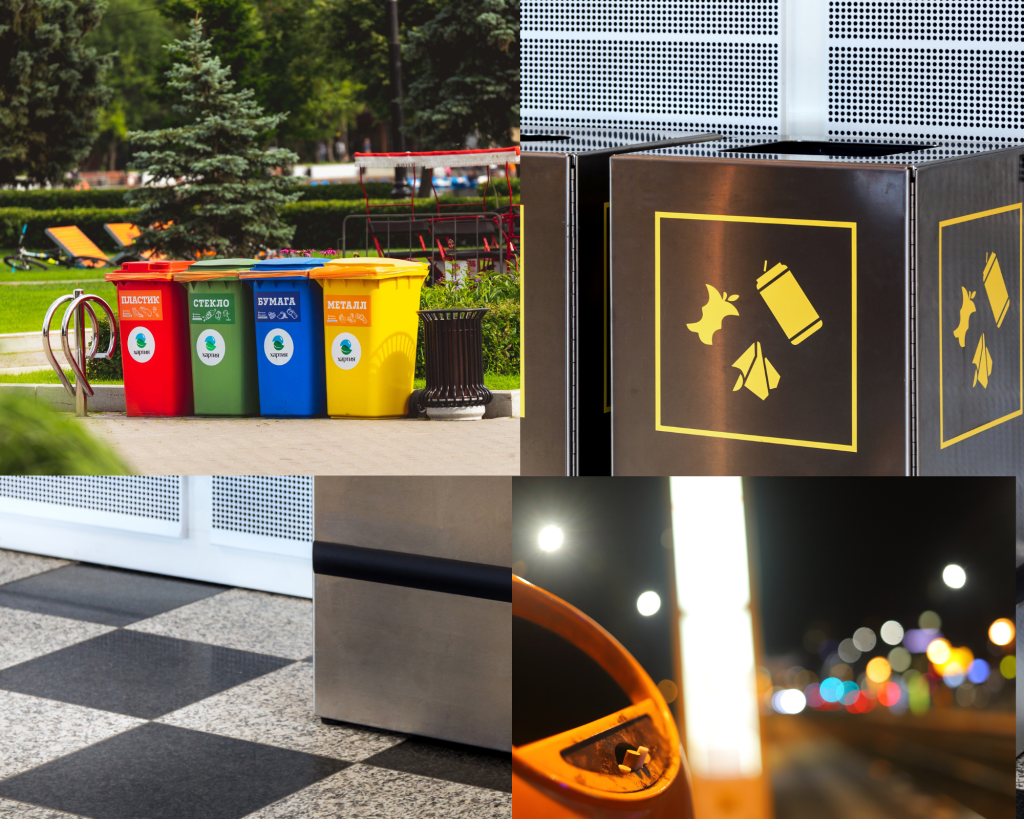
The History of the Trash Bin
It is a well-known fact that trash cans have a long history. Archaeological data demonstrates that humans have been disposing of waste for a very long time. In the past, people would dump their trash in trenches or open pits that were frequently far from where they lived. A more advanced waste disposal system became necessary as society developed and urbanization spread.
In the late 19th century, as cities started to struggle with the issue of mounting waste, the first trash cans started to appear. The majority of trash cans at the time were made of metal and were made with hand collection in mind. Automated trash collection systems didn’t start to appear until the early 20th century. These systems made use of garbage trucks that could simultaneously pick up and empty a number of trash cans.
The Development of the Trash Bin
Numerous advancements and improvements have been made since the trash can’s earliest days. Trash cans now come in a wide range of materials, sizes, and shapes. Others are made to be aesthetically pleasing and blend in with their surroundings, while some are made for specific purposes like recycling or composting.
The use of sensor technology has been one of the most important developments in the field of trash cans. Waste management companies are automatically notified when these bins are full by sensors, which are built into the bins. In addition to improving waste collection efficiency, technology has also lessened the need for labor- and time-intensive manual inspections.
The Many Functions of the Trash Bin
Trash cans have uses besides just collecting trash. They are crucial for preserving a clean and safe environment and are used in a variety of industries, including manufacturing and healthcare. Medical waste is often disposed of improperly and is often collected in trash cans in hospitals and clinics, for instance. Trash cans are used in manufacturing facilities to collect scraps and other waste items that can later be recycled or put to other uses.
Additionally, trash cans are used in public areas like parks and city streets. By preventing litter from building up and becoming a danger to both people and wildlife, these bins aid in maintaining the cleanliness and orderliness of our communities. Local artists can design and paint trash cans to make them more aesthetically pleasing, which can sometimes double as a form of public art.
The Future of the Trash Bin
The trash can has a bright future as technology develops further. There are already a number of fresh innovations under development, such as garbage cans with automatic waste separation and sorting. These bins can recognize various waste types and sort it using cutting-edge sensors and artificial intelligence. With the aid of this technology, waste management could be streamlined and recycling could be improved.
The utilization of biodegradable materials in trash cans is another example of innovation. These containers are made to naturally decompose over time, minimizing the amount of waste that is dumped in landfills. This technology may be especially helpful in remote or underdeveloped areas and other places where waste disposal is difficult.
Using trash cans properly
The trash can is a straightforward and simple object, but there are rules for how it should be used. We can make sure that waste disposal is as efficient and effective as possible by adhering to these rules. The correct bin must firstly be used for the type of waste being disposed of. For recyclable waste, recycling bins should be used; for non-recyclable waste, regular trash cans should be used.
Furthermore, it’s critical to properly dispose of waste. This indicates that waste should be disposed of inside the bin rather than on the ground or in other unsuitable locations. Overfilled trash cans can also be a problem because they can cause debris and litter to scatter all around them. Trash cans shouldn’t be overstuffed, and waste shouldn’t be pushed into a container that is already full.
Keeping the bin clean is another aspect of using trash cans properly. Unpleasant odors from waste can draw rodents and insects, among other pests. These issues can be avoided and a hygienic environment can be maintained by routinely cleaning the bin.
Trash Bin Design and Art
Trash can artwork and design have gained popularity recently. Local artists have been hired by cities all over the world to design distinctive and eye-catching bins, injecting some creativity into an otherwise uninteresting object. In addition to being functional, these bins also improve the aesthetics of the neighborhood.
There are many different types of trash bin art and design. While some bins are made to resemble different animals or objects, others are painted with vibrant murals or designs. Bins sometimes even contain recycled materials, which adds yet another level of sustainability to the design.
Container Maintenance
To keep them working properly, trash cans need maintenance just like any other item. A hygienic environment can be maintained and odors can be avoided with routine bin cleaning. Additionally, it’s crucial to regularly check the bin for any signs of wear and tear, like cracks or holes, which could allow trash to leak out and make a mess.
Trash cans may occasionally need to be repaired or replaced in addition to routine cleaning and upkeep. This might be as a result of weather damage, vandalism, or just general wear and tear over time. In order to maintain efficient and effective waste disposal, it is crucial to address any bin-related issues as soon as they arise.
The Trash Bin’s Effect on the Environment
Even though using a trash can is necessary for proper waste disposal, it also has a big effect on the environment. Ineffective waste management can result in pollution, harm to wildlife, and destruction of natural habitats. Additionally, the manufacture and disposal of trash cans themselves may have detrimental environmental effects.
Increasing recycling efforts is one way to lessen the trash bin’s environmental impact. We can lessen the amount of waste that ends up in landfills and consequently reduce the need for new trash cans by separating recyclable materials from non-recyclable waste. Additionally, recycling materials to make new bins can help to lessen the impact of waste disposal on the environment.
Utilizing composting bins for organic waste is another way to lessen the trash can’s negative impact on the environment. Organic waste is naturally broken down by composting into nutrient-rich soil that can be used to grow plants and crops. We can lower greenhouse gas emissions and make compost, a valuable resource for agriculture, by keeping organic waste out of landfills.
The Social Effects of Garbage Cans
The trash can has an effect on society as a whole as well as the environment. The proper disposal of waste contributes to the preservation of a clean and healthy environment, which can benefit public health. Debris and litter can bring in pests, produce unpleasant odors, and even facilitate the spread of diseases. We can avoid these issues and make everyone’s environment more pleasant and hygienic by using trash cans properly.
The promotion of social responsibility and awareness is another function of trash cans. We can contribute to the development of a more sustainable and responsible society by promoting proper waste disposal and recycling. This can be accomplished through public awareness campaigns, neighborhood projects, and legislative initiatives that support environmentally friendly waste disposal methods.
The Effect of the Garbage Can on Mental Health
Additionally, the trash can can have a psychological effect on people and communities. Stress, anxiety, and depression can all be decreased by living in an environment that is clean and well-maintained. On the other hand, a messy and littered environment can have a detrimental effect on mental health, resulting in frustration, helplessness, and disgust.
The proper disposal of waste and the use of trash cans can also foster a sense of civic duty and neighborhood pride. We can foster a sense of ownership and shared responsibility for our communities by keeping our environment clean and orderly. Greater social cohesiveness, trust, and cooperation among community members may result from this.
Additionally, how trash cans are made and how they look can affect how we see the world around us. Bins that are appealing to the eye can improve the aesthetics of our surroundings, making it more pleasant to be in. However, poorly made or ugly bins can take away from the beauty of our surroundings, making it less enticing and pleasurable.
Conclusion:
The trash can has a big impact on our psychological health and sense of community in addition to being a useful tool for getting rid of waste. We can create a more enjoyable and aesthetically pleasing environment while encouraging a sense of shared responsibility and community pride by encouraging proper usage and maintenance of trash bins and incorporating appealing designs. Let’s continue to value and use the trash can while appreciating its many advantages for our mental, physical, and environmental well-being.
 Hey Singapore