
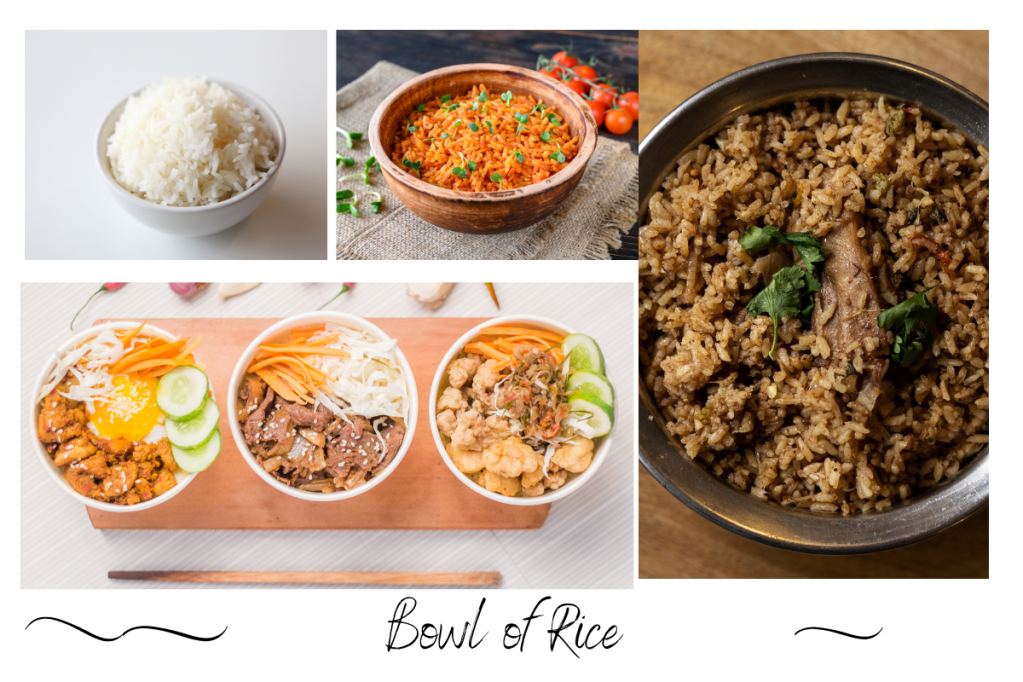
The ubiquitous bowl of rice, a simple yet satisfying dish that has captivated the palates of billions of people worldwide, is a testament to the versatility of this humble staple food. This complex carbohydrate, with its long and storied history, has served as the foundation of many cultural cuisines, from the Far East to South America.
One of the most popular renditions of this dish is the rice bowl, a culinary creation that is both elegant and understated. From a simple base of rice, a dizzying array of ingredients can be added, including savory meats, succulent vegetables, and tangy sauces, all artfully arranged to create a mouthwatering symphony of flavors and textures.
The appeal of rice bowls lies in their inherent simplicity, as well as the ease with which they can be prepared and customized to suit a wide range of preferences. The bowl of rice provides a nourishing and filling base, while the accompanying ingredients add depth and complexity to the dish.
But where did the rice bowl originate, and how has it evolved over time? The history of this beloved dish is a fascinating one, steeped in cultural traditions and culinary innovations. From its humble beginnings as a peasant’s meal in rural Asia to its current status as a globally recognized dish, the rice bowl has undergone a transformation that is nothing short of remarkable.
The bowl of rice has come a long way since its humble beginnings, becoming a popular and beloved dish that has taken the world by storm. Its versatility, simplicity, and satisfying nature have made it a staple in many cultures, and its history is a testament to the power of food to bring people together. Whether you’re a seasoned foodie or a casual diner, the rice bowl is a dish that is sure to satisfy your taste buds and leave you feeling nourished and satisfied.
The Origins of Rice Bowls
The history of rice bowls can be traced back to ancient China, where rice cultivation began more than 7,000 years ago. Rice was a staple food in China and was commonly eaten with other dishes in a communal setting. It wasn’t until the Tang Dynasty (618-907 AD) that rice began to be served in individual bowls, which were known as “cai wan” or “vegetable bowls”. These bowls were typically made of porcelain or stoneware and were decorated with intricate designs.
As rice bowls became more popular, they spread to other parts of Asia, including Japan and Korea. In Japan, rice bowls are known as “donburi”, which means “bowl”. They are typically served with a variety of toppings, including meat, seafood, vegetables, and eggs. In Korea, rice bowls are called “bibimbap” and are made with a variety of vegetables and a fried egg on top.
Evolution of Rice Bowls
Over time, rice bowls have evolved to reflect the unique cultures and cuisines of different regions. In Japan, for example, rice bowls are often served with a side of miso soup and pickled vegetables. In Korea, rice bowls are traditionally served with a side of kimchi, a spicy fermented vegetable dish.
In addition to cultural differences, rice bowls have also evolved in terms of their ingredients and presentation. In Hawaii, for example, rice bowls are served with a combination of teriyaki chicken, fried rice, and macaroni salad. In Brazil, rice bowls are made with a combination of rice, black beans, and grilled meats.
Today, rice bowls have become a popular dish in many parts of the world, including the United States, where they are often served in trendy restaurants and fast-casual chains. They are a versatile dish that can be customized to suit individual tastes and dietary preferences, making them a go-to meal for people of all backgrounds.
Rice is one of the most widely consumed staple foods in the world, and for good reason. It is a highly nutritious food that provides a wide range of essential nutrients that are necessary for good health. In this article, we will explore the nutritional value of rice and discuss how it can contribute to a healthy diet.
Nutritional Value of Rice
Rice is a complex carbohydrate that is rich in essential nutrients such as vitamins, minerals, and fiber. A single cup of cooked rice (185g) contains the following nutrients:
- Calories: 242
- Carbohydrates: 53g
- Protein: 4.4g
- Fat: 0.4g
- Fiber: 1.8g
- Thiamin: 0.2mg
- Niacin: 2.1mg
- Vitamin B6: 0.3mg
- Folate: 71mcg
- Iron: 1.5mg
- Magnesium: 48mg
- Phosphorus: 162mg
- Potassium: 84mg
- Zinc: 1.1mg
As you can see, rice is a nutrient-dense food that is low in fat and high in complex carbohydrates. It is also a good source of vitamins and minerals that are essential for good health.
Benefits of Rice for a Healthy Diet
In addition to its nutritional value, rice can contribute to a healthy diet in several ways. First, it is a great source of energy that can help to fuel your body throughout the day. The complex carbohydrates in rice are digested slowly, which helps to keep you feeling full and satisfied for longer periods of time.
Second, rice is a good source of fiber, which can help to promote digestive health and reduce the risk of chronic diseases such as heart disease and diabetes. The fiber in rice can also help to regulate blood sugar levels and promote healthy cholesterol levels.
Finally, rice is a versatile ingredient that can be used in a wide range of dishes, from stir-fries to salads to soups. It is a great base for a healthy meal that can be customized to suit your individual tastes and dietary preferences.
Rice bowls are a popular dish across many different cultures and cuisines, and there are a wide variety of types of rice bowls that you can try. In this article, we will explore some of the different varieties of rice bowls and provide examples of popular dishes from around the world.
Japanese Rice Bowls
- In Japan, rice bowls are known as donburi or simply “don” for short. There are many different types of donburi, but some of the most popular include:
- Katsudon: A bowl of rice topped with breaded and fried pork cutlet, onions, and eggs.
- Oyakodon: A bowl of rice topped with chicken, onions, and eggs that are simmered together in a savory broth.
- Gyudon: A bowl of rice topped with thinly sliced beef and onions that have been cooked in a sweet and savory sauce.
Korean Rice Bowls
- In Korea, rice bowls are known as bibimbap, which literally means “mixed rice.” Bibimbap typically includes a mix of rice, vegetables, meat, and egg, and is served with a spicy sauce called gochujang. Some popular varieties of bibimbap include:
- Dolsot bibimbap: Served in a hot stone bowl, this type of bibimbap is topped with a raw egg and is meant to be mixed together and cooked by the heat of the bowl.
- Hwe bibimbap: This bibimbap is made with raw fish and vegetables, and is served with a tangy sauce made from vinegar and mustard.
Latin American Rice Bowls
- In Latin American cuisine, rice bowls are known as arroz con (with) something, and are typically topped with a flavorful protein such as chicken or beef. Some popular varieties of arroz con something include:
- Arroz con pollo: A classic Latin American dish, arroz con pollo is made with chicken, rice, and a mix of vegetables and spices.
- Arroz con camarones: Made with shrimp, this dish features a mix of rice, tomatoes, peppers, and onions that have been simmered together in a flavorful broth.
Vietnamese Rice Bowls
- In Vietnam, rice bowls are known as com tam, which means “broken rice.” This type of rice is broken during the milling process and is considered to be lower quality, but it is a popular ingredient in many Vietnamese dishes. Some popular com tam dishes include:
- Com tam suon: A bowl of broken rice topped with grilled pork chops, vegetables, and a sweet and savory sauce.
- Com tam bi cha: A bowl of broken rice topped with shredded pork skin, pork belly, and steamed pork sausage.
In recent times, the trend of rice bowls has experienced a significant surge in popularity worldwide. This culinary phenomenon transcends cultural and ethnic boundaries, gaining admiration in diverse cuisines. This discourse seeks to explore the reasons behind this exponential increase in the demand for rice bowls and what factors make them a beloved gastronomical trend.
Adaptability
One of the major reasons for the growing popularity of rice bowls is their versatility. The humble bowl of rice forms a perfect base that harmonizes seamlessly with a vast spectrum of ingredients, ranging from vegetables and tofu to an assortment of meat and seafood. This culinary flexibility makes rice bowls a highly adaptable meal option that can be effortlessly customized to suit individual tastes and dietary preferences.
Convenience
Convenience is another fundamental factor driving the rice bowl trend. Rice bowls are a quick and easy meal option that can be prepared expeditiously in a matter of minutes, making them an ideal choice for busy individuals seeking a nutritious and satiating meal without the inconvenience of a lengthy cooking process.
Health Benefits
Rice bowls have earned a reputation as a healthier meal option compared to other fast food or convenience food alternatives. Rice, being a complex carbohydrate, can provide a sustained source of energy throughout the day while being low in fat and calories. Additionally, rice can be paired with an assortment of nutritious ingredients such as vegetables and lean proteins, creating a balanced and nourishing meal.
Aesthetics
The aesthetic appeal of rice bowls is also noteworthy. They are often elegantly presented, with a harmonious combination of colorful ingredients artfully arranged in a bowl. This culinary presentation makes rice bowls highly shareable and Instagram-worthy, significantly contributing to their widespread popularity through social media.
Cultural Appropriation
However, despite rice bowls being a staple food in numerous cultures for centuries, their recent popularity in Western cuisine has raised concerns about cultural appropriation. Many individuals have criticized this trend for commodifying and profiting from traditional dishes without acknowledging their cultural significance or according due credit to their origins.
In summation, the bowl of rice has become an adored gastronomic trend across the globe, courtesy of its multifariousness, expediency, healthful attributes, aesthetic charm, and cultural suitability. The bowl of rice can be tweaked to meet an extensive range of palates and dietary prerequisites, serving as an effortless and rapid repast that guarantees sustained vitality throughout the day. Moreover, the bowl of rice provides an opening to savor diverse cultures and culinary customs, considering that it serves as a dietary staple in numerous regions of the world. Nonetheless, it is imperative to demonstrate reverence for the genesis of rice bowl dishes and shun cultural appropriation.
As the bowl of rice continues to burgeon in popularity, it is probable that we will witness novel and pioneering adaptations of this ageless dish. Whether one favors a conventional rice bowl or a contemporary fusion interpretation, there is no gainsaying the charm and extensive fondness for this delectable and nutritious meal. Consequently, the subsequent instance you are scouting for a speedy and healthful meal preference, contemplate savoring a bowl of rice, and indulge in the profusion of flavors and constituents that it offers.
 Hey Singapore