
The Importance of Food Packaging in Today’s World
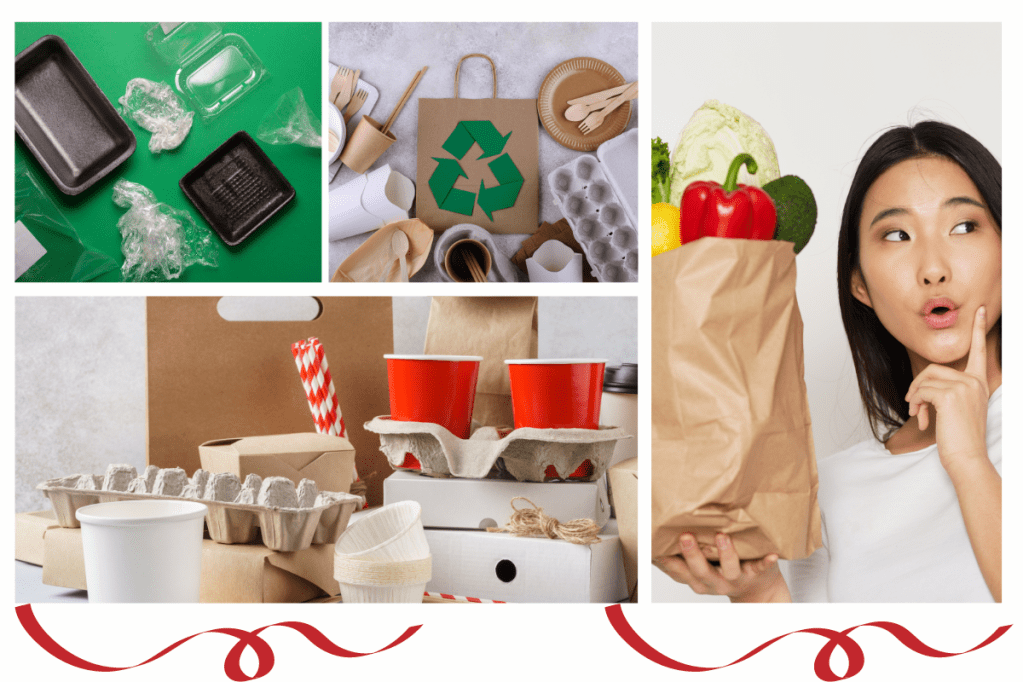
Food packaging plays a crucial role in keeping our food safe, fresh, and easily accessible. In today’s world, where food is shipped across the globe and consumed at a rapid pace, the importance of proper packaging cannot be overstated. In this article, we’ll explore the significance of food packaging and its impact on the food industry.
Why is Food Packaging Important?
Food packaging serves many purposes, from protecting the food from contamination and preserving its freshness to providing information about ingredients and nutritional value. It also makes it easier to transport and store food, which is especially important in today’s global food market. Without proper packaging, food would spoil quickly, be more prone to damage during shipping, and potentially pose health risks to consumers.
Are you in the food industry and looking for an efficient way to package your products? Do you want to ensure that your food is protected from environmental hazards like heat, moisture, and oxygen? If so, then this blog post is for you! We’ll be exploring the different types of food packaging available and their benefits.
Introduction to Food Packaging
Food packaging is a critical part of the food industry, providing protection and preservation for food products. It plays an important role in keeping food safe from contamination, tampering, and damage during transport, storage, and consumption. Food packaging also serves to provide information about the product, determine portion sizes, and display attractive branding. Packaging is much more than just “packing”; it involves the use of materials, technology, and processes to create a system that keeps food safe and unspoiled. The design of packaging must take into account the needs of the food product, as well as the environment in which it is stored and transported. In addition to protecting food products from external contaminants, packaging must also prevent chemical food contamination from occurring through direct contact with the packaging material. By taking all these factors into consideration, food packaging ensures that consumers have access to safe and nutritious food.
Types of Food Packaging
Food packaging is an essential part of the food industry. It helps to protect, preserve and transport food products safely and efficiently. Different types of packaging materials have been developed to meet different requirements. Common materials used for food packaging include glass, metals, plastics, cartons, and wrappers. Glass jars and containers are moisture and heat resistant but can be brittle and breakable. Aluminium is lightweight, durable and provides an effective barrier against oxygen, moisture and light. Plastics are organic polymeric materials that can be molded into desired shapes to provide protection from contamination and spoilage. Cartons are used for eggs, milk, fruit juice, bags of salad, potato chips and sweets. Wrappers can be used for individual items to protect them from moisture and heat. All these materials ensure the safe delivery of food products from manufacturers to consumers.
Materials Used for Food Packaging
Food packaging has traditionally been made from materials such as glass, metals (aluminum, foils and laminates, tinplate, and tin-free steel), leaves, vegetable fibers, and textiles. More recently, conventional packaging materials used in the food industry include metals such as stainless steel, aluminium and tinplate; paper; glass; plastics such as high-density polyethylene (HDPE); and aseptic packaging made of paper-based materials. There are many advantages to using these materials for food packaging, including protection from tampering or contamination from physical, chemical, and biological sources. Additionally, food packaging can come in a variety of shapes and sizes to accommodate different types of food products. However, it is important to be aware of the potential environmental impact of food packaging and adhere to regulations and standards set by governing bodies. Through the use of innovative technologies such as active packaging and aseptic processing, it is possible to create sustainable solutions for food packaging that can improve the safety and long-term storage of food products.
Advantages of Food Packaging
Food packaging provides numerous advantages, from protecting food from contamination, to improving shelf life, to protecting the product from physical damage. Primary packaging is used to package small amounts of food, while secondary packaging is used for larger products such as oils and beers. With food packaging, energy and vital nutrients can be saved, as well as costs and the health of the consumer. Packaging also helps keep food fresh and safe by providing an effective barrier between the food product and the environment. It also helps extend shelf life by providing an additional layer of protection against spoilage, keeping food fresher for longer. Furthermore, it makes food easier to transport and store, allowing it to be shipped safely to its destination without worrying about spoilage or contamination. With food packaging, products can remain safe and secure during transport and storage, ensuring that they reach their destination unscathed.
Disadvantages of Food Packaging
Food packaging comes with a number of disadvantages, including the bulkiness of packaging, the potential for chemicals to leach into food, and the environmental damage caused by its disposal. The use of plastics, in particular, has come under scrutiny in recent years due to their non-biodegradable nature and potential for harm when ingested. However, there are some types of packaging that offer advantages over traditional options. Edible packaging, for example, is perceived as more sustainable and eliminates the risks associated with chemical leaching. Despite this, there are still several drawbacks associated with edible packaging, such as its limited shelf life and the potential for it to be an unhealthy choice for consumers. As such, it is important to consider all aspects before deciding which type of food packaging is best for your products.
Environmental Impact of Food Packaging
Food packaging is directly responsible for a broad range of environmental issues. Unfortunately, most food packaging that is made out of plastic is usually thrown away rather than reused, recycled, or composted. The combustion and landfill of food packaging can have an adverse effect on the environment, releasing pollutants and contributing to global warming. Additionally, food packaging waste that is not disposed of responsibly can make its way into the ocean, causing severe pollution and degradation of the ocean environment. Despite the many benefits of food packaging, its environmental impact throughout its life cycle remains a concern. The manufacture of food packaging can generate air pollution and greenhouse gas emissions, while waste disposal can lead to further environmental damage. It is therefore important for businesses to consider the environmental impacts of their food packaging materials when making decisions about design and disposal.
Regulations and Standards for Food Packaging
Food packaging is a complex process that must comply with numerous regulations and standards in order to ensure the safety and quality of the food. In the EU, the Framework Regulation governs all food contact materials, including containers for transporting food and machinery to process it. These materials must meet certain criteria, such as being fit for their intended purpose and not containing any hazardous components. The FDA also regulates most packaged foods sold in the United States, setting out specific requirements such as what elements a package must contain. Additionally, the Food Safety Act 1990 requires all food businesses to use only food safe packaging material. These standards and regulations are designed to guarantee that all food packaging is safe and fit for its purpose, while protecting consumers from any potential hazards.
Innovations in Food Packaging
Innovations in food packaging have become incredibly important in recent years. Companies are increasingly looking for ways to reduce their environmental impact while still providing customers with safe and efficient packaging solutions. This has led to a range of exciting developments, such as edible packaging, micro packaging, upcycled barley straw cartons and paper soda bottles. There have also been innovations in connected technology that transforms jars and bottles into intelligent packaging, as well as concepts like stacked snack packaging, biodegradable packaging, completely clear packaging and clutter-free packaging. Harvard University’s Wyss Institute has even developed a low-cost, clear plastic that is completely compostable called “shrilk”. All of these innovations provide an excellent example of how companies are striving to reduce their environmental footprint while still providing customers with the best possible food packaging solutions.
The Future of Food Packaging
The future of food packaging looks to be leaning towards sustainability, with technology-enabled solutions such as melt-away packaging and edible food packaging becoming more prevalent. This shift comes after years of increasing effects from a number of sources, such as consumer demand for environmentally friendly products and regulations and standards imposed by governments. As a result, the fibre-based packaging industry has a golden opportunity to provide sustainable solutions that reduce food waste, preserve food quality and safety, and lessen the environmental impact of packaging materials. By continuing to innovate and develop new materials and technologies, the food packaging industry can ensure that it is able to meet the needs of consumers while still doing its part in protecting the planet.
Conclusion
In conclusion, food packaging is an essential component of the food industry. It helps to keep food safe, protected, and easier to transport. There are many types of food packaging materials available and each has its own benefits and disadvantages. It is important to consider all factors when choosing the right material for your product. Regulations and standards also play an important role in ensuring that food packaging is safe and effective. Innovations in food packaging technology have made it possible to reduce waste and extend the shelf life of food products, while also reducing their environmental impact. With the right amount of research, businesses can make informed decisions about their product packaging needs that can help them succeed in the market.
 Hey Singapore