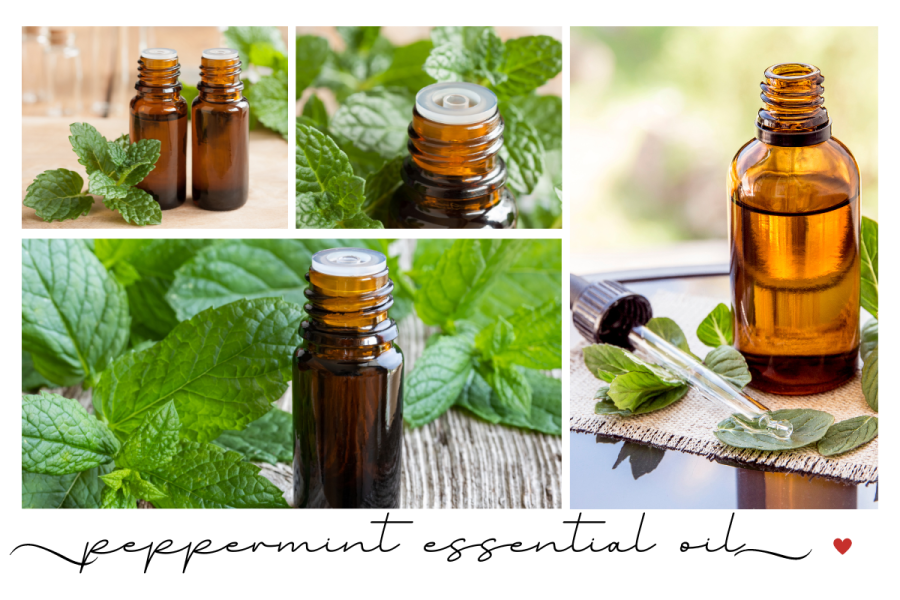
If you’re looking for a natural way to soothe stress and reduce fatigue, look no further than Peppermint essential oil! From using it in aromatherapy to adding it to your favorite lotions and creams, there are countless ways you can benefit from this powerful oil. In this blog post, we’ll discuss the many uses of peppermint essential oil and how it can help improve your overall health and wellbeing.
Introduction to Peppermint Essential Oil
Peppermint essential oil is a popular essential oil used in aromatherapy. It is extracted from the stem, leaves, and flowers of the Mentha piperita L. plant and has a sharp, menthol scent. The oil has many benefits, from headache relief to skin and gut health. It is often used in topical applications for muscle aches, joint pain, itching, and other ailments.
It is also used for digestive issues such as indigestion and irritable bowel syndrome. Peppermint oil is widely consumed as common food and is far more concentrated than other steam-distilled essential oils. The primary components in peppermint and its essential oil are menthone and pulegone. However, as with any essential oils, it is important to be aware of safety precautions when using peppermint essential oil.
What are the Benefits of Peppermint Essential Oil?
Peppermint essential oil has been used for centuries for its healing properties and is known to have many benefits. Studies have shown that peppermint oil can help reduce the pain associated with migraine headaches, tension, fibromyalgia, and myofascial pain syndrome when applied topically to the forehead and temple area. It can also reduce irritable bowel syndrome symptoms when taken internally.
Additionally, it is thought to help cool fatigued muscles after physical activity and boost circulation in a diluted massage blend or bath. Its aroma is familiar and pleasant to most, making it a great choice for aromatherapy. Peppermint essential oil is very intense and far more concentrated than most other steam distilled essential oils, so use caution when using it internally or topically.
How to Use Peppermint Essential Oil
Peppermint essential oil is a versatile oil with many uses. It can be applied topically to relieve joint and muscle pain, used internally to help with occasional upset stomach, and inhaled as part of aromatherapy to boost energy and alertness. To use peppermint oil for pain relief, dilute one drop of peppermint essential oil with four drops of V-6 or another carrier oil, then apply topically to the affected area three times daily. For internal use, add five drops of the diluted peppermint essential oil to water or tea three times daily.
When using it in aromatherapy, it can be applied directly to the skin or diffused into the air with a diffuser. Japanese peppermint essential oil is also available for those who prefer a different scent. Milea All Organics Peppermint Essential Oil is a great option that has been highly reviewed by customers who have tried its high quality. However, it is important to exercise caution when using peppermint essential oil and always follow safety instructions when applying it directly to the skin or ingesting it internally.
Where Does Peppermint Essential Oil Come From?
Peppermint essential oil is extracted from the leaves of the peppermint plant, Mentha x piperita. Native to Europe and the Middle East, the peppermint plant grows best in shady locations with a lot of moisture. The essential oil contains over 40 different compounds, giving it a sharp aroma that can be used for a variety of purposes.
It is highly concentrated and comes from the leaves and flowering parts of the peppermint plant, making it an incredibly versatile product. With its numerous applications, ranging from headache relief to skin and gut health, peppermint essential oil is a popular choice for many people looking to reap its benefits.
The Aroma of Peppermint Essential Oil
The Aroma of Peppermint essential oil is one of the key features that make it so desirable. It has a fresh, sharp, penetrating mint and menthol aroma with a sweet vapor that can invigorate your senses and provide you with a fresh feel in your room.
Peppermint essential oil is often used after strenuous activity or to boost circulation, making it an ideal choice for massage blends or baths. It works wonders for relieving back pain, mental fatigue, and coughs, as well as providing calming and clarifying benefits. With its distinct cooling sensation when applied topically, Peppermint Essential Oil can be used in many applications to provide both physical and mental relief.
Japanese Peppermint Essential Oil
Japanese Peppermint essential oil is a popular oil derived from the Mentha arvensis plant, commonly known as cornmint. With a high menthol content ranging from 73 to 85%, this essential oil is a softer mint with a refreshing aroma. It has many uses, such as aromatically, topically, and internally, and offers many benefits like relaxing muscle tension and pain, supporting respiratory health, and soothing digestive system issues.
Japanese Peppermint Essential Oil can be found in products such as soaps, candles, bath and body products, and diffusers. As with any essential oil, it is important to take safety precautions when using Japanese Peppermint Essential Oil. Always dilute it with a carrier oil or other product before applying it to the skin; avoid use during pregnancy; and keep it out of reach of children.
Milea All Organics Peppermint Essential Oil
Milea All Organics Peppermint essential oil is made with 100% pure and natural ingredients that are sustainably sourced. It is excellent for combatting the effects of mental fatigue and depression, and helps to refresh the spirit and stimulate. This oil is also great for all kinds of skincare regimes, particularly for oily or acne-prone skin.
It should be diluted with a carrier oil before applying it to the skin. The aroma of this essential oil is fresh, cool, and minty. Milea All Organics Peppermint Essential Oil should be stored at room temperature, away from direct sunlight.
Safety Precautions When Using Peppermint Essential Oil
It is important to remember that Peppermint essential oil is very concentrated and should be used with caution. When taken by mouth, peppermint oil is likely safe but should always be appropriately diluted or enteric-coated in a tablet or capsule professionally. It is also wise to avoid pure peppermint essential oil for oral use as it can be toxic at high doses.
When using peppermint essential oil topically, it is recommended to dilute it with a carrier oil such as coconut oil and a maximum dermal use level of 5%. Additionally, if skin irritation or rash occurs, you should immediately seek medical advice. Finally, when using peppermint essential oil in aquatic environments, it must be done responsibly as it can be toxic to aquatic life with long lasting effects.
Uses of Peppermint Essential Oil
Peppermint essential oil is known for its versatility and has been used in many different applications. From reducing irritable bowel syndrome symptoms to cooling fatigued muscles after physical activity, there are many benefits of using peppermint essential oil. It is also known to help relieve back pain, mental fatigue, and coughs as well as boost circulation and can also be used to help indigestion. When used topically, peppermint essential oil is believed to have pain relief advantages associated with fibromyalgia and myofascial pain syndrome.
Additionally, the familiar, pleasant aroma of peppermint essential oil has a calming effect and may help alleviate occasional upset stomach or promote healthy respiratory function. It can also be used in a diluted massage blend or bath for an added boost of relaxation. Peppermint essential oil is extracted from the stem, leaves, and flowers of the Mentha piperita L. plant and is a popular choice in aromatherapy for its multiple uses.
Conclusion
In conclusion, Peppermint essential oil is a popular and versatile oil that can be used in many ways to promote health and wellbeing. It is a potent antiseptic and antifungal agent and can be used to treat many ailments. Its pleasant smell helps to reduce nausea, particularly in patients who have had recent surgery. Peppermint essential oil is extracted from the stem, leaves, and flowers of Mentha piperita L. plant.
It has antioxidant and antibacterial properties as well as anti-inflammatory and analgesic effects. When using peppermint essential oil, it is important to follow safety precautions such as diluting the oil appropriately before applying it topically or inhaling it. The various uses of peppermint essential oil include aromatherapy, treating skin irritation, headaches, muscle aches, joint pain, insect bites, and nausea.
 Hey Singapore