
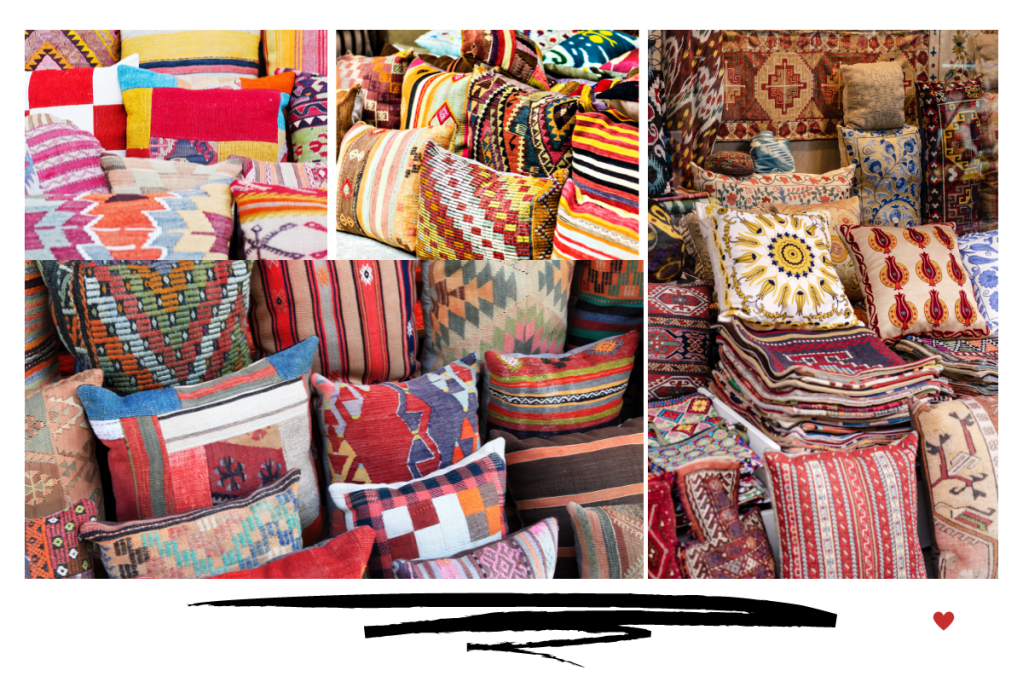
Peranakan furniture is a remarkable embodiment of the intricate and sophisticated artistic traditions of the Peranakan community. This furniture is created with extraordinary finesse and remarkable attention to detail, epitomizing the amalgamation of diverse cultural influences that have shaped this unique heritage.
The exquisitely carved designs and intricate motifs adorning Peranakan furniture are often imbued with auspicious symbols and characters. The latticed wooden chairs and tables, fashioned with unparalleled woodworking skills, are a testament to the remarkable craftsmanship of Peranakan artisans, who have transformed ordinary wood into objects of remarkable beauty and grace.
Peranakan furniture is renowned for its opulent and ornate style, seamlessly blending the artistic traditions of China, Malay, and Europe. From the intricate carvings on the legs of chairs and tables to the intricate mother-of-pearl inlays on cabinets and dressers, each piece of peranakan furniture is a work of art.
The selection of materials used to craft Peranakan furniture is also noteworthy, with teak and rosewood being the most prevalent. These resilient and durable woods provide the perfect foundation for the elaborate carvings and intricate designs that are the signature of Peranakan furniture.
Beyond their aesthetic appeal, Peranakan furniture also serves a practical purpose. Many pieces were crafted for specific uses, such as the peranakan betel nut box, which was utilized to store the ingredients for the traditional chewing of betel nut, a prevalent pastime in the community.
Peranakan furniture is not only a stunning and intricate display of artistic expression; it is also a tangible reminder of the cultural heritage of the Peranakan people. Every piece of Peranakan furniture tells a tale, interweaving the strands of a vibrant and diverse cultural tapestry that is as captivating as it is enduring.
Techniques Used in Creating Peranakan Cushion Cover
The creation of Peranakan cushion covers is a truly intricate and multifaceted process, requiring an exceptional level of skill and precision. Every step of the way, from material selection to weaving and embroidery techniques, represents a striking testament to the depth and richness of Peranakan cultural heritage.
The Peranakan cushion covers are notably distinguished by their intricate and exquisite embroidery. Utilizing techniques like the kasut manek, these skilled artisans create colorful and delicate beadwork designs, using needle and thread to sew each bead into place with extraordinary care and attention to detail.
Furthermore, these cushion covers are also characterized by the use of elaborate weaving methods, which are employed to produce the intricate patterns and motifs that define each unique piece. Weavers skillfully blend a range of materials, including cotton and silk, to create the stunning designs that adorn each cushion cover.
Perhaps most notable of all, however, are the auspicious symbols and characters that are often incorporated into these cushion covers, imbuing each one with a special significance and deeper meaning. These symbols are a blend of diverse cultural traditions and influences, reflecting the complex and multi-layered history of the Peranakan community.
Material selection is also an essential aspect of the cushion cover creation process, with artisans carefully choosing the finest quality silks and cottons to ensure that each piece not only provides the ideal canvas for their intricate designs but also exhibits the highest standards of longevity and durability.
In sum, the creation of Peranakan cushion covers is a tribute to the unique artistic traditions and enduring cultural heritage of the Peranakan people. Each cushion cover is a tangible expression of this rich tapestry of diverse cultural influences, woven together in a way that continues to captivate and inspire even today.
Significance of Peranakan Cushion Cover in Home Decor
Enhancing aesthetic appeal of living spaces
Interior design is an art form that not only caters to our functional requirements but also appeals to our aesthetic senses and evokes feelings. An excellent way to enhance the visual allure of living spaces is by using decorative accents such as Peranakan cushion covers.
Inspired by the Southeast Asian Peranakan culture, these cushion covers are a unique amalgamation of Chinese and Malay influences. The intricate embroidery, vivid hues, and bold motifs of these covers are a testament to the rich cultural heritage of the region and lend an air of elegance and sophistication to any room.
Peranakan cushion covers are not only visually stunning but also provide a window into the diverse artistic traditions of Southeast Asia, showcasing how the cultural intermingling of various ethnicities has contributed to the region’s unique identity over the centuries.
Whether used to complement an eclectic design scheme or accentuate a neutral palette, Peranakan cushion covers have an enduring beauty that transcends the fleeting whims of fashion. Their exoticism and timeless appeal demonstrate how design can shape our surroundings and uplift our spirits.
By incorporating these one-of-a-kind cushion covers into their homes, individuals can infuse a touch of Southeast Asian charm and culture into their lives while elevating the aesthetic appeal of their living spaces. It is a small yet impactful way to celebrate the diversity and beauty of our world and to enrich our everyday lives through the transformative power of design.
Symbolic meanings behind certain motifs
Peranakan cushion covers are not just ornamental decor, but instead embody a cultural heritage that reflects the intricate interplay of beliefs, customs, and traditions that have influenced Southeast Asia’s history. Each motif on these covers carries a profound symbolic meaning, tying the present to the past and preserving the memory of a bygone era.
One such motif is the phoenix, which embodies the cyclical nature of life and the triumph over adversity. The phoenix, with its dazzling plumage and dignified presence, embodies resilience and rebirth, reminding us that even in the darkest of moments, hope and rejuvenation are always within reach.
Another ubiquitous symbol is the peony, an emblem of prosperity and good fortune. The peony’s intricate petals represent wealth and abundance, making it a sought-after motif among Peranakan families who valued luxury and extravagance.
The butterfly, with its transformative journey from a cocoon to a majestic winged creature, signifies change and metamorphosis. It serves as a reminder that beauty can manifest in the most unexpected places and that transformation is a natural part of life.
Lastly, the dragon symbolizes power, fortune, and protection. The dragon’s intricate details and commanding presence are emblematic of prosperity and good luck, making it a favored motif among Peranakan families who believed in the symbolic power of such motifs to bring prosperity and abundance.
The motifs on Peranakan cushion covers are more than mere decorative flourishes. They are living testaments of a vibrant cultural heritage that ties us to our past and shapes our present. These motifs remind us of the values and beliefs that have influenced our history and the potency of symbolism to inspire and transform our lives.
Celebrating Peranakan heritage and culture
The Peranakan culture, an intricate weaving of customs, traditions, and beliefs, is a vivid manifestation of the diverse and colorful history of Southeast Asia. Celebrating the rich and vibrant heritage of the Peranakan people transcends mere homage to the past; it is a reverential tribute to a cultural legacy that remains indelible in the present.
Peranakan culture is the result of the confluence of Malay, Chinese, and other indigenous cultural influences, giving rise to a distinctive confluence of customs, language, and gastronomy. From the refined beadwork of the kebaya to the bold and vibrant patterns of the sarong, Peranakan attire exemplifies the artistry and technical finesse that characterizes this unique culture.
Peranakan cuisine is another hallmark of this rich heritage. The diverse and savory flavors and fragrances of Peranakan dishes, such as laksa, ayam buah keluak, and popiah, reflect the fusion of Malay and Chinese culinary traditions, culminating in a delightful culinary adventure that appeals to the senses.
Beyond sartorial elegance and epicurean delights, Peranakan culture finds expression in art, architecture, and religion. The ornate carvings and detailed motifs of Peranakan furniture and tiles are a testament to the aesthetic sensibilities of this community. Peranakan architecture, with its lavish facades and intricate ornamentation, serves as a lasting reminder of the resilience and tenacity of the Peranakan people.
Peranakan culture is also characterized by its spiritual traditions. The unique blend of Malay and Chinese religious beliefs is evident in the colorful and ornate Peranakan temples and shrines that provide a sacred space for the community.
Celebrating Peranakan heritage is an invitation to embrace and cherish the diverse and multifaceted cultural tapestry of Southeast Asia. It is a poignant recognition of the inimitable legacy of a people who have played a pivotal role in shaping and enriching the cultural fabric of the region. From fashion and food to art and architecture, Peranakan culture is a vibrant testament to the enduring legacy of a dynamic and culturally rich community.
 Hey Singapore