
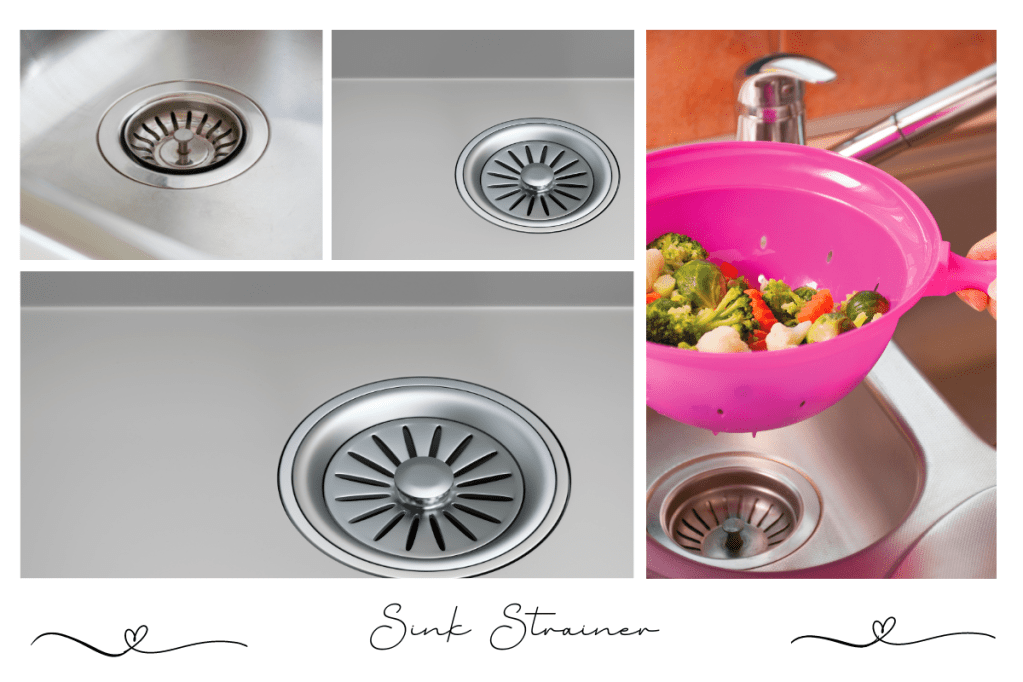
The Importance of Sink Strainers and How to Choose the Right One
Sink strainers are an essential component of any kitchen or bathroom sink. They are designed to prevent food particles, hair, and other debris from clogging your sink drain, which can lead to costly plumbing repairs and unsanitary conditions. In this article, we will discuss the importance of sink strainers and how to choose the right one for your sink.
Why Do You Need a Sink Strainer?
Sink strainers are essential for maintaining a clean and hygienic sink. They prevent food particles, hair, and other debris from entering your drain and causing blockages, which can be a major headache for homeowners. Clogs can also lead to unpleasant odors and the growth of bacteria and other microorganisms, which can pose health risks to you and your family.
In addition to preventing clogs and promoting cleanliness, sink strainers can also save you money in the long run. Regularly cleaning and maintaining your sink strainer can prevent costly plumbing repairs down the line, as clogs can damage your pipes and lead to leaks and other issues. Best Sink Strainer are here
Choosing the Right Sink Strainer
When choosing a sink strainer, there are several factors to consider. Here are some of the most important ones:
- Size: One of the most important factors to consider when choosing a sink strainer is the size. It’s essential to measure the diameter of your sink drain to ensure that the strainer you choose fits properly. A strainer that is too small may not catch all the debris, while a strainer that is too large may not fit properly, allowing debris to bypass it and clog the drain. Measure the diameter of your drain and choose a strainer that matches that size.
- Material: Sink strainers can be made of different materials, including stainless steel, plastic, and silicone. Stainless steel strainers are the most durable and long-lasting option. They are resistant to rust and corrosion and can withstand high temperatures. They are also easy to clean and maintain. However, stainless steel strainers tend to be more expensive than other types of strainers. Plastic and silicone strainers are more affordable and come in various colors and designs. They are also lightweight and easy to clean, making them a popular choice for many homeowners.
- Style: Sink strainers come in various styles, including flat strainers, basket strainers, and mesh strainers. Flat strainers sit flush with the bottom of your sink and are ideal for sinks with shallow depths. They are also easy to clean and maintain. Basket strainers sit inside your drain and collect debris, making them ideal for sinks with a deeper depth. They are also durable and long-lasting. Mesh strainers sit on top of your drain and catch debris as water flows through. They are affordable and easy to clean.
- Easy to clean: A sink strainer that is easy to clean and maintain can save you a lot of time and effort. Some strainers can be easily removed and washed in the dishwasher, while others require manual cleaning. Stainless steel strainers are easy to clean and can be washed in the dishwasher. Plastic and silicone strainers can also be washed in the dishwasher or cleaned by hand with soap and water. Mesh strainers can be easily removed and washed in the sink.
- Price: Sink strainers are available at a range of price points, from affordable plastic strainers to high-end stainless steel models. Consider your budget and choose a strainer that fits your needs and preferences. While a more expensive strainer may be more durable and long-lasting, a more affordable strainer may be sufficient for your needs. However, it’s important to remember that a cheap strainer may not last as long and may need to be replaced more frequently, which can end up costing more in the long run.
Tips for Maintaining Your Sink Strainer
To ensure that your sink strainer stays in good condition and continues to function properly, follow these tips:
- Clean your sink strainer regularly:
Sink strainers are essential for preventing food scraps and debris from clogging up your sink drain. However, over time, they can become clogged with buildup and debris, which can cause water to drain slowly or even stop altogether. To prevent this from happening, it’s important to clean your sink strainer regularly.
To clean your sink strainer, simply remove it from the sink and rinse it with soap and water. You can also use a specialized cleaning solution to remove any stubborn buildup or stains. Be sure to clean both the strainer and the area surrounding it, as debris can accumulate in these areas as well. Regular cleaning of your sink strainer can help prevent clogs and ensure proper drainage.
- Don’t pour grease down your sink:
Grease and oil are common byproducts of cooking, but they can be very harmful to your plumbing system. When grease is poured down the sink drain, it can solidify in your pipes and cause clogs. This can lead to slow drainage, backups, and other plumbing problems. To prevent this from happening, it’s important to dispose of grease properly.
The best way to dispose of grease is to pour it into a container and throw it in the trash. You can also use a paper towel to wipe excess grease from pots and pans before washing them in the sink. This will help prevent grease from entering your pipes and causing clogs.
- Use a garbage disposal properly:
Garbage disposals are great for disposing of small amounts of food scraps, but they can cause problems if not used properly. To prevent clogs and damage to your pipes, it’s important to use your garbage disposal correctly.
First, only dispose of small amounts of food at a time. Overloading the garbage disposal can cause it to clog or even break. Second, avoid putting tough, fibrous materials like celery, corn husks, and potato peels down the disposal. These materials can get tangled in the blades and cause the garbage disposal to malfunction. Finally, be sure to run cold water while using the garbage disposal. This helps flush food scraps through the pipes and prevent clogs.
- Install a water softener:
Hard water is water that contains high levels of minerals like calcium and magnesium. This type of water can cause buildup in your pipes and sink strainer, leading to clogs and other plumbing issues. If you live in an area with hard water, consider installing a water softener.
A water softener is a device that removes minerals from your water supply, making it “soft.” Soft water is gentler on your plumbing system and can help prevent buildup and clogs. Installing a water softener can also help extend the life of your plumbing system and appliances, as hard water can cause damage over time
Here are some additional insights and information about sink strainers:
- The importance of a sink strainer: A sink strainer is an essential tool for maintaining the cleanliness and functionality of your sink and plumbing system. By catching debris and preventing it from entering your pipes, a sink strainer can help prevent clogs, backups, and other plumbing issues. In addition, using a sink strainer can help reduce the amount of food waste and other debris that ends up in landfills.
- Different types of sink strainers: While we have mentioned the various factors to consider when choosing a sink strainer, there are different types of sink strainers as well. Some examples include a basket sink strainer, mesh sink strainer, pop-up sink strainer, flat sink strainer, and combination sink strainer. Each type has its own unique advantages and disadvantages, so it’s important to choose the right one based on your needs and preferences.
- Compatibility with garbage disposals: If you have a garbage disposal installed in your sink, it’s important to choose a sink strainer that is compatible with it. Some sink strainers are designed to work with garbage disposals, while others may not fit properly or may interfere with the disposal’s functionality. Make sure to check with the manufacturer or read product reviews to ensure compatibility.
- Installation and maintenance: Installing a sink strainer is typically a simple and straightforward process that can be done without professional assistance. Most sink strainers can be easily screwed into place or inserted into the drain. However, it’s important to clean and maintain the sink strainer regularly to ensure that it continues to function properly. This may involve removing it from the drain, cleaning it with soap and water, and reinserting it. Some sink strainers are dishwasher-safe, making cleaning even easier.
- Other uses for sink strainers: While sink strainers are primarily used for catching food waste and debris, they can also be used for other purposes. For example, a sink strainer can be used as a makeshift colander for rinsing fruits and vegetables. It can also be used to catch small items that might otherwise fall down the drain, such as jewelry or contact lenses.
Conclusion
In conclusion, a sink strainer is a rudimentary yet pivotal tool for preserving the cleanliness and unobstructed flow of your kitchen sink. By intercepting food scraps, debris, and other minuscule particles, sink strainers forestall their ingress into the plumbing system, thereby thwarting blockages. When procuring a sink strainer, discerning factors such as size, material, style, ease of upkeep, and price point must be deliberated upon to ensure that you elect the most felicitous alternative to meet your exigencies and predilections. Stainless steel sink strainers have become a ubiquitous preference owing to their resilience and longevity. Their facile maintenance also renders them an auspicious investment for homeowners. Conversely, plastic and silicone strainers are more economical options that can still efficaciously ensnare debris and avert clogs. Mesh strainers also prevail as a prevalent option, displaying versatility and compatibility with sundry sink dimensions. It is imperative to habitually sanitize your sink strainer to guarantee its continued and optimal functionality. Dislodging the strainer and scrubbing it with soap and water or a specialized cleaning agent can forestall the accretion of obstructions and clogs. Aside from utilizing a sink strainer, there are additional prophylactic measures one can undertake to uphold the salubrity and transparency of your sink and pipes. Abstaining from pouring grease down the sink and discarding it suitably, using your garbage disposal judiciously, and examining the installation of a water softener if you dwell in a region with hard water are all crucial considerations. In essence, investing in a sink strainer constitutes a minuscule yet momentous stride towards preserving a hygienic and proficient kitchen. By electing the appropriate size, material, and style, and suitably upkeeping your strainer, you can preclude the inconvenience and cost of grappling with clogs and plumbing predicaments in the future.
 Hey Singapore