
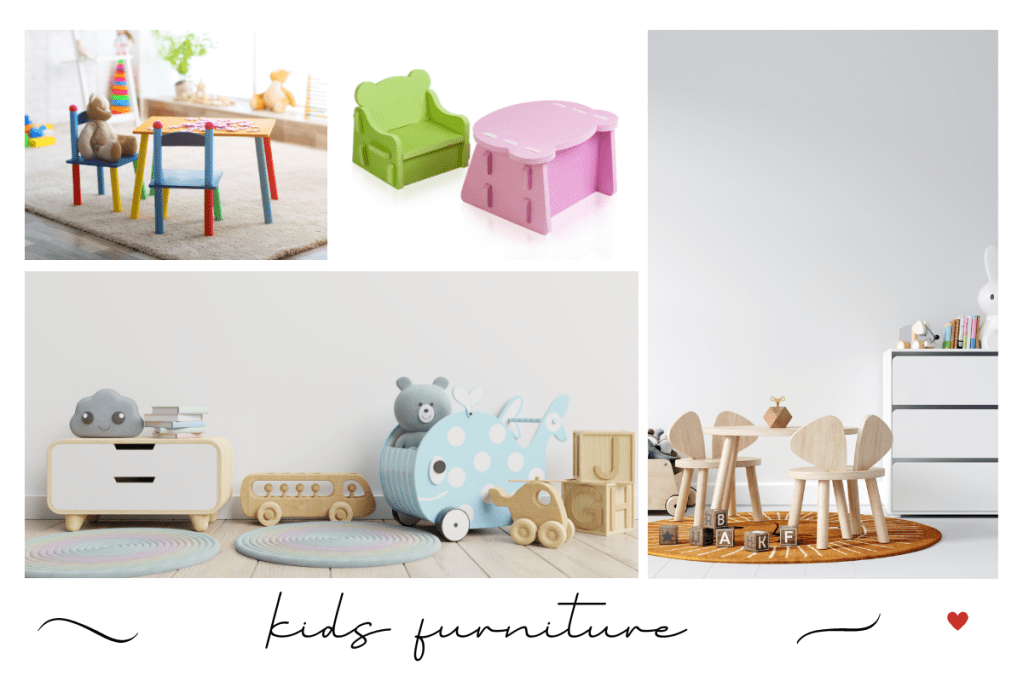
The selection of furniture is a crucial determinant in the creation of a secure and comfortable environment for children. Kids furniture is not only meant to offer a seating or sleeping space, but also a crucial contributor to their development and wellbeing. Choosing the appropriate furniture for children demands careful consideration of a variety of factors such as safety, durability, functionality, and style. In this piece, we shall delve into some of the salient considerations to keep in mind when selecting kids furniture, as well as some popular types of furniture that are ideal for children of all ages. Whether you are a parent, caregiver, or educator, this guide will serve as a resource to help you craft an alluring and practical space for the young ones in your life.
Types of Kids Furniture
Selecting the most suitable furniture for your child’s bedroom or playroom is an arduous task that requires great consideration. The chosen furniture must not only be functional and safe but also aesthetically pleasing and engaging for the child. The plethora of available options in the market can be overwhelming, making it challenging to navigate through the different types of kids furniture. In this discourse, we shall delve into the most popular types of kids furniture that are sure to transform your child’s space into a captivating and functional oasis.
Primarily, the bed is a fundamental piece of kids furniture that should be both comfortable and cozy to ensure the child’s well-being and quality of sleep. From twin-sized beds to playful bunk beds, numerous options exist to choose from. Bunk beds are particularly popular among children, providing ample space and a whimsical atmosphere.
Storage options are another essential consideration for parents, as children tend to accumulate many toys and other belongings that require storage space. A toy chest or a bookcase with shelves provides sufficient storage space and also enhances the room’s organization. A storage ottoman or bench is another viable option, offering both storage and comfortable seating.
Tables and chairs are a necessary component of kids furniture. A small table and chairs set provides the child with a space to read, do homework, or even eat meals. A variety of sizes and styles exist, including wooden sets, plastic sets, and even themed sets based on popular cartoon characters.
Last but not least, play items add an exciting and playful touch to a child’s space. Bean bags, floor cushions, and play tents provide a cozy and enjoyable spot for kids to play, relax, and interact.
In conclusion, when it comes to kids furniture, numerous options are available to choose from. Whether seeking a comfortable bed, functional storage, or playful seating options, there is a perfect fit for every child’s needs and preferences. By prioritizing your child’s safety, comfort, and style, you can create a space that your child will adore and cherish for years to come.
How to choose the right Kids Furniture
The selection of appropriate kids furniture is a critical and intricate process that requires careful contemplation. Furniture is an essential component of a child’s environment and can have a profound impact on their well-being and development. The selection process must encompass several factors to ensure that the chosen furniture is not only functional but also aesthetically pleasing and beneficial to the child’s overall health.
Primarily, safety is the utmost priority when it comes to kids furniture. The furniture must be devoid of any sharp edges or potential pinch points that could jeopardize the child’s safety. Additionally, furniture with small removable pieces or parts that could be potential choking hazards should be avoided at all costs.
Secondly, functionality is a crucial consideration when selecting kids furniture. The furniture must serve its intended purpose while also offering adequate storage space to promote organization and a tidy environment. Beds with built-in drawers or desks with storage compartments are excellent options that not only serve their primary purpose but also offer additional storage space.
Durability is another critical factor to consider when choosing kids furniture. Children can be rough on their belongings, and as such, furniture must be able to withstand wear and tear. Robust materials like solid wood or metal are ideal as they can withstand bumps, scratches, and other forms of damage.
The style of the furniture should also align with the child’s personality and interests. The chosen furniture should reflect the child’s likes and dislikes, creating a personalized and welcoming space. For instance, if the child is an avid fan of cars or superheroes, furniture with a corresponding theme would be a perfect fit.
Lastly, the size of the furniture is an essential consideration. Furniture that is proportionate to the size of the room and the child’s age is ideal. Oversized furniture can make a room feel cramped, while furniture that is too small can appear uncomfortable and out of place.
In conclusion, selecting the appropriate kids furniture is a multifaceted and delicate process that requires careful consideration of various factors. By prioritizing safety, functionality, durability, style, and size, you can choose furniture that not only meets your child’s needs but also enhances their well-being and development. A well-chosen and personalized space can foster creativity, comfort, and happiness for your child.
Materials of Kids Furniture
The selection of materials for kids furniture is a crucial and complex process that requires a keen eye for detail. The chosen materials play a significant role in the durability, aesthetic appeal, and safety of the furniture. In this article, we will delve into some of the most commonly used materials in the realm of kids furniture.
Wood is a classic and widely popular material used in kids furniture. The strength and resilience of solid wood make it an ideal option for children’s furniture that can withstand rigorous use. Additionally, wood offers a natural and timeless look that can effortlessly blend with any design style, making it an incredibly versatile option.
Medium-Density Fibreboard (MDF) is another favoured material for kids furniture. MDF is created by binding wood fibres and resin together to form a dense and sturdy board. MDF is frequently employed for surfaces such as table tops and bed frames. This option offers cost-effectiveness in comparison to solid wood while still providing durability and resilience.
Plastic, a lightweight and malleable material, is another commonly used material in kids furniture. The versatility and ease of cleaning that plastic offers make it a preferred choice. Plastic is also deemed as a safe option due to its absence of sharp edges or corners that could be hazardous for children.
Metal is yet another durable and robust material used in kids furniture. Metal furniture is a go-to option for areas in which a significant amount of play takes place, owing to its capability to withstand rough use. Coating the furniture with paint or powder ensures the furniture’s resistance to rust and corrosion, increasing longevity.
Finally, upholstered furniture offers comfort and adds an element of sophistication to a child’s room. Upholstered furniture is fashioned from soft materials like cotton or microfibre and can be customised to match the child’s individual preferences.
In conclusion, the selection of materials for kids furniture is a nuanced and critical process that requires careful attention to detail. Wood, MDF, plastic, metal, and upholstered furniture are the most common materials used in kids furniture. By understanding the unique characteristics of each material, you can make an informed decision that meets your child’s needs while ensuring their safety and comfort.
Advantages of Kids Furniture
Kids furniture is an indispensable facet in crafting an environment that is both comfortable and practical for children. Appropriate furniture can foster innovation, stimulate cognitive development, and provide a secure space for kids. This discourse explores the advantages of kids furniture.
Primarily, kids furniture is meticulously designed with the physical needs of children in mind. Its dimensions and proportions are tailored to the size of children, promoting their comfort and safety. This meticulous attention to detail guarantees that kids can independently utilize the furniture and cultivate a sense of ownership and accountability over their space.
Furthermore, kids furniture comes in an array of colours, designs, and themes that infuse joy and excitement into any child’s room. Children can express their individuality and creativity through their selection of furniture, which reflects their character and passions, thereby fostering a sense of pride and identity in their personal space.
Moreover, kids furniture is built to last, promoting durability and longevity. Children are known to be tough on furniture, but the resilience of kids furniture ensures that it can withstand wear and tear, rendering it a worthy investment. With premium construction and materials, furniture remains in pristine condition, even after prolonged use.
Additionally, kids furniture stimulates tidiness and organization. Storage options such as shelves, drawers, and toy boxes instill a sense of orderliness and structure in children, facilitating valuable life skills such as accountability, organization, and cleanliness.
Finally, kids furniture fuels imagination and innovation. Play kitchens, activity tables, and teepees encourage children to engage in imaginative play, sharpening their problem-solving abilities. Kids furniture inspires children to explore their creativity and imbues their play with educational value.
In conclusion, kids furniture is a crucial aspect of creating an environment that is both comfortable and safe for children, and fosters their creativity, innovation, and cognitive development. Investing in premium quality kids furniture ensures a conducive environment for children to learn, grow, and play.
 Hey Singapore