
The realm of culinary arts is incomplete without the use of bakeware – an indispensable tool that enables bakers to conjure a multitude of delectable delicacies. However, the selection of bakeware is pivotal in determining the final outcome of the product. Thus, to ensure that every creation is a masterpiece, it is imperative to have an in-depth knowledge of the various materials, shapes, coatings, and accessories that constitute the world of bakeware.
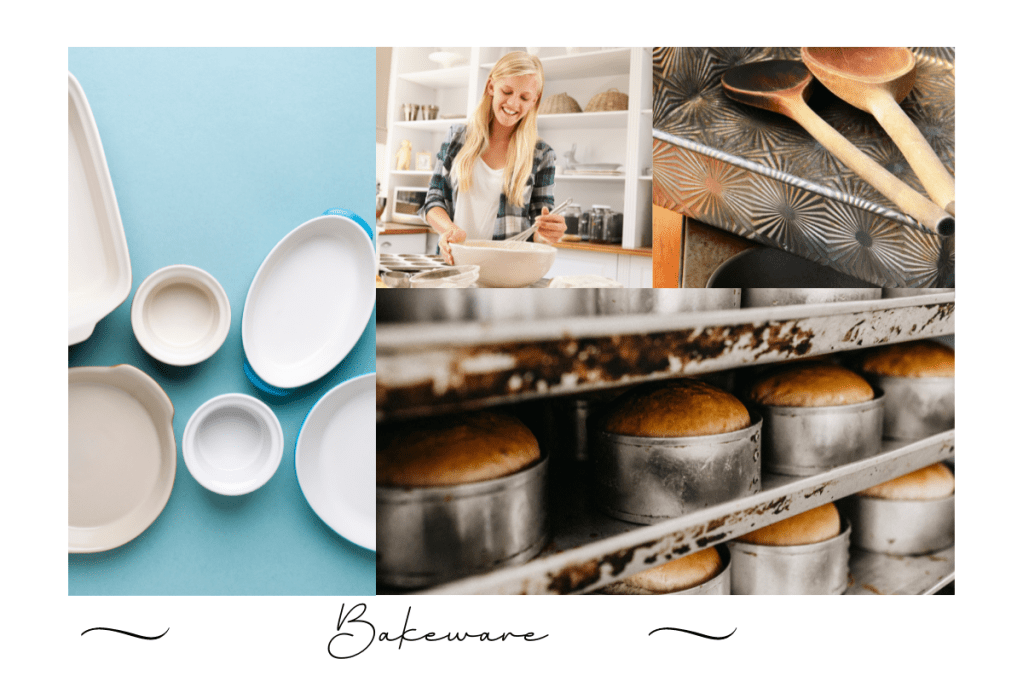
Bakeware is an amalgamation of different materials such as metal, glass, silicone, and ceramic, each endowed with unique characteristics that cater to specific recipes. Metal bakeware, revered for its sturdiness and efficient heat conduction, is perfect for baking pastries and cookies. Glass bakeware, with its non-reactive properties, is ideal for casseroles and pies. Silicone bakeware, famed for its non-stick and heat-resistant properties, is perfect for delicate cakes and muffins. Ceramic bakeware, with its elegant design and insulation properties, is best suited for bread and roasts. Therefore, one must be mindful of these differences while choosing the ideal bakeware for a recipe.
Size and shape are crucial factors that determine the final outcome of the recipe. An improper size or shape can lead to uneven cooking and an undesirable result. Common sizes of bakeware include 9×13-inch pans, 8-inch round cake pans, and 12-cup muffin tins. Thus, it is imperative to choose the right size and shape of bakeware that fits the recipe’s requirements.
The coating and material of bakeware also play a pivotal role in the recipe’s outcome. Non-stick coatings, while being ideal for preventing food from sticking, can wear out over time. On the other hand, stainless steel and cast iron are durable and long-lasting but can be arduous to clean. Thus, one must carefully weigh the benefits and drawbacks of each type of coating and material before investing in bakeware.
Bakeware accessories such as mixing bowls, measuring cups, and cooling racks can significantly improve the baking experience, making it more enjoyable and efficient. Investing in high-quality bakeware accessories can go a long way in enhancing the baking experience.
Baking sheets are available in various types such as cookie sheets, sheet pans, and jelly roll pans, each suited for specific recipes. Choosing the right type of baking sheet, ensuring it is the correct size and shape, and cleaning it thoroughly after use is essential for a successful outcome.
Cake pans, available in different shapes such as round, square, and bundt pans, require the proper size and shape to achieve the desired outcome. Using parchment paper or non-stick spray can facilitate the easy removal of cakes from the pan, ensuring a perfect shape.
Muffin and cupcake pans, available in standard, mini, and jumbo sizes, require careful selection to achieve the perfect result. Using liners or non-stick spray can facilitate easy removal from the pan, preserving the shape of the muffins or cupcakes.
Pie dishes, available in different materials such as glass, ceramic, and metal, require careful selection to achieve the desired outcome. Using a pie shield or foil to prevent the crust from burning can ensure the perfect golden crust.
In addition to the technical aspects, the art of baking requires patience, attention to detail, and a creative flair. Bakeware, with its varied shapes, sizes, and materials, offers endless possibilities for experimentation and innovation. A skilled baker can utilize bakeware to create not just delectable treats but also works of art that are visually appealing and mouth-watering.
However, the journey towards becoming a skilled baker can be challenging and requires practice and dedication. Along with the right tools and bakeware, one must also hone their baking skills, experimenting with different recipes, and perfecting techniques.
Furthermore, the world of bakeware is constantly evolving, with new materials and designs being introduced. Keeping up with the latest trends and innovations in bakeware can help a baker stay ahead of the curve and create innovative and unique creations.
Bakeware is not just a tool but a medium for expression, allowing bakers to infuse their unique style and personality into their creations. A cake baked in a heart-shaped pan can convey love and affection, while a bundt cake can evoke nostalgia and comfort. Similarly, a pie baked in a rustic ceramic dish can convey a sense of simplicity and warmth, while a quiche baked in a glass dish can exude elegance and refinement.
Moreover, bakeware is not limited to just baking but also offers various cooking methods, such as broiling, roasting, and grilling. A baking sheet can double up as a roasting pan, while a cast-iron skillet can be used for searing and grilling. Thus, investing in versatile bakeware can offer a range of cooking options, making it a valuable addition to any kitchen.
The art of baking has a rich history and culture, with various traditions and techniques passed down through generations. Bakeware, with its diverse shapes and materials, is an integral part of this legacy, contributing to the evolution and innovation of baking techniques.
Furthermore, the use of high-quality bakeware can have a significant impact on the environment, reducing waste and promoting sustainability. Investing in durable and long-lasting bakeware reduces the need for frequent replacements, reducing waste and promoting eco-friendliness.
Beyond the artistic and functional aspects, bakeware also has a significant impact on the taste and texture of baked goods. Different materials and shapes of bakeware can produce varying results, with some materials retaining heat better, while others distribute heat more evenly.
For example, aluminum bakeware is an excellent conductor of heat, producing consistent browning and even baking. Meanwhile, non-stick bakeware prevents sticking and promotes easy release, making it ideal for delicate pastries and cakes.
Moreover, bakeware can enhance the flavor of baked goods, with some materials infusing a subtle flavor into the food. For instance, baking bread in a clay pot can impart a unique earthy flavor, while using a cast-iron skillet can produce a slightly smoky taste.
Choosing the right bakeware for a specific recipe is essential to achieving optimal results. Understanding the unique characteristics of each material and shape can help a baker make informed decisions and produce consistently delicious baked goods.
Furthermore, bakeware is not just a tool for professional bakers but also a medium for home bakers to explore and experiment with. With the advent of social media and online communities, home bakers can share their creations, seek inspiration, and connect with like-minded individuals.
Bakeware has become a symbol of creativity and innovation in the culinary world, inspiring bakers worldwide to experiment, innovate, and push the boundaries of traditional baking techniques. As bakeware continues to evolve and adapt to the changing needs of the baking industry, it will remain an integral part of the baking experience, promoting creativity, functionality, and sustainability.
In addition, bakeware also plays a crucial role in the safety of baked goods. Using the wrong type of bakeware or using it incorrectly can lead to uneven baking, burning, or even causing a fire in extreme cases.
Therefore, it is essential to follow the manufacturer’s instructions and use bakeware in the intended way. For instance, some bakeware should not be used on stovetops or placed under a broiler, while others should not be exposed to sudden temperature changes.
Furthermore, investing in high-quality bakeware with safety features such as non-slip handles or heat-resistant coatings can also minimize the risk of accidents in the kitchen.
Bakeware is also a reflection of the current trends and tastes in the culinary world. As consumers become more health-conscious, there has been a rise in the popularity of bakeware made from natural materials such as silicone or stone. Additionally, the trend towards sustainability has led to the emergence of eco-friendly bakeware made from recycled or biodegradable materials.
Moreover, the design and aesthetics of bakeware have also become a crucial consideration for consumers. Bakeware in trendy colors, patterns, and shapes can add a touch of personality and style to the kitchen and make baking a more enjoyable experience.
Finally, bakeware also offers an opportunity for bakers to give back to the community and make a positive impact on society. Bakers can use their skills and bakeware to create baked goods for charity events, fundraisers, or simply to brighten someone’s day.
For instance, a baker could bake cookies in a heart-shaped silicone mold and donate them to a local hospital or nursing home. The simple act of sharing baked goods can bring joy and comfort to those in need and create a sense of community and connection.
Moreover, using sustainable and eco-friendly bakeware can also contribute to a more significant cause, promoting environmental awareness and reducing waste. By choosing to use bakeware made from recycled or biodegradable materials, bakers can make a positive impact on the environment and inspire others to do the same.
As the baking industry continues to evolve and adapt to the changing needs of consumers, bakeware will undoubtedly play a significant role in shaping the future of baking.
New materials, designs, and technologies will emerge, offering bakers even more options for creating unique and delicious baked goods. Innovations such as silicone molds, flexible baking sheets, and temperature-sensitive bakeware will continue to push the boundaries of traditional baking techniques and inspire new and exciting creations.
Moreover, the increasing popularity of home baking and the rise of online communities will enable bakers worldwide to share their creations, learn from one another, and foster a sense of creativity and innovation.
Furthermore, the role of bakeware extends beyond the kitchen and into other industries such as marketing and advertising. Bakeware has become an effective tool for promoting brands and products, and businesses have utilized bakeware as a way to connect with consumers.
Customized bakeware with brand logos or slogans has become increasingly popular, providing a unique way for businesses to showcase their products and services. Companies can also use bakeware as a promotional item, offering branded bakeware as a gift with purchase or as a prize in contests or giveaways.
In addition, the popularity of baking shows and social media platforms has led to the emergence of a new generation of social media influencers and bloggers who use bakeware to promote their content and grow their following.
As consumers continue to seek out authentic and engaging content, the use of bakeware in marketing and advertising is likely to continue to grow and evolve.
Finally, it’s worth mentioning the therapeutic and meditative benefits of baking with bakeware. Baking can be a stress-relieving and relaxing activity, and the process of preparing, mixing, and baking ingredients can be meditative and calming.
Moreover, the sensory experience of baking, from the smell of freshly baked bread to the sound of a mixer, can be soothing and grounding, helping bakers to disconnect from the stress and chaos of daily life.
Baking with bakeware provides an added layer of creativity and expression, allowing bakers to use their imagination and artistic abilities to create unique and beautiful baked goods. The satisfaction of seeing a perfectly baked cake or pie come out of the oven can be immensely gratifying and rewarding.
Overall, bakeware plays a significant role in the baking industry, impacting the taste, texture, and appearance of baked goods and reflecting the current trends and tastes in the culinary world. It provides bakers with a vast range of options to create unique and delicious baked goods, from traditional pans and molds to innovative and eco-friendly designs.
Moreover, bakeware goes beyond the kitchen and into other industries such as marketing and advertising, providing a unique and effective way for businesses to promote their brands and connect with consumers. It also offers therapeutic and meditative benefits, providing a relaxing and grounding activity for bakers and promoting creativity and self-expression.
As the baking industry continues to evolve and adapt to the changing needs of consumers, bakeware will undoubtedly continue to play a vital role in shaping the future of baking. From new materials and designs to innovations in technology, bakeware will continue to push the boundaries of traditional baking techniques and inspire new and exciting creations.
In conclusion, whether you are a professional baker or a home cook, the role of bakeware in the baking experience cannot be overstated. By understanding the unique characteristics of different types of bakeware, investing in high-quality and safe bakeware, and experimenting with new materials and designs, bakers can enhance the baking experience and push the boundaries of traditional baking techniques. With its functional, artistic, and therapeutic qualities, bakeware is more than just a tool; it is a medium for creativity, sustainability, and self-expression.
 Hey Singapore