
A straightforward and dependable method of informing residents of the home’s occupants of the arrival of guests, the doorbell has been a mainstay in residential architecture for many decades. The modest doorbell, on the other hand, has experienced a change as a result of the development of technology for smart homes. It has progressed from a simple, connected device to a wireless, complicated system that has a variety of sophisticated features and advantages. There is a greater selection of doorbells accessible for houses than there has ever been before. Wireless and smart doorbells are becoming more popular owing to the simplicity with which they can be installed, their adaptability, and the increased functionality they provide. In this post, we are going to talk about the disadvantages of conventional doorbell wiring, the benefits of wireless doorbells, and the advantages of smart doorbell technology. In addition, we will talk about prospective advancements in the foreseeable future, providing a sneak peek at what doorbell wiring may look like in the years to come. Continue reading this article if you are fascinated by the most recent developments in residential technology and want to learn more about the potential future of the doorbell.
Traditional Doorbell Wiring
Wiring a doorbell has traditionally involved threading wires through the walls of the house and connecting those wires to a transformer, which is typically installed in either the basement or the attic. Despite the fact that this may appear to be a simple task, there are a number of restrictions that can make the installation of a doorbell challenging or even impossible in some locations.
The Limitations of Traditional Doorbell Wiring
Because conventional doorbell wiring requires that wires be run through the walls, it can be difficult to install a doorbell in locations where wiring is not already present. This is especially the case in older homes.
Homeowners who have a particular spot in mind for the installation of their doorbell may find this to be an incredibly frustrating situation.
Possibility of damage to the wires: If the wires in the doorbell become damaged, it can be challenging to diagnose and repair the problem, which can result in the doorbell becoming inoperable.
Because of this, homeowners may be forced to spend a lot of money and invest a lot of time in hiring a professional to fix the problem.
Because upgrading to a different doorbell model may require rewiring the entire system, traditional wiring can make it challenging to make the switch to a different model.
Because of this, it’s possible that homeowners won’t be able to upgrade to a more contemporary doorbell system even if they want to do so.
The conventional wiring for a doorbell consists of a number of different components, such as a transformer and wires that have to be routed through the walls.
Given this information, it is possible that homeowners will find it difficult to install their own doorbells without the assistance of a professional.
The traditional wiring for doorbells can be difficult to install, particularly if the transformer is located in a basement or attic.
Because of this, it will be necessary to run wires through the walls or ceilings, which can be a laborious and messy process.
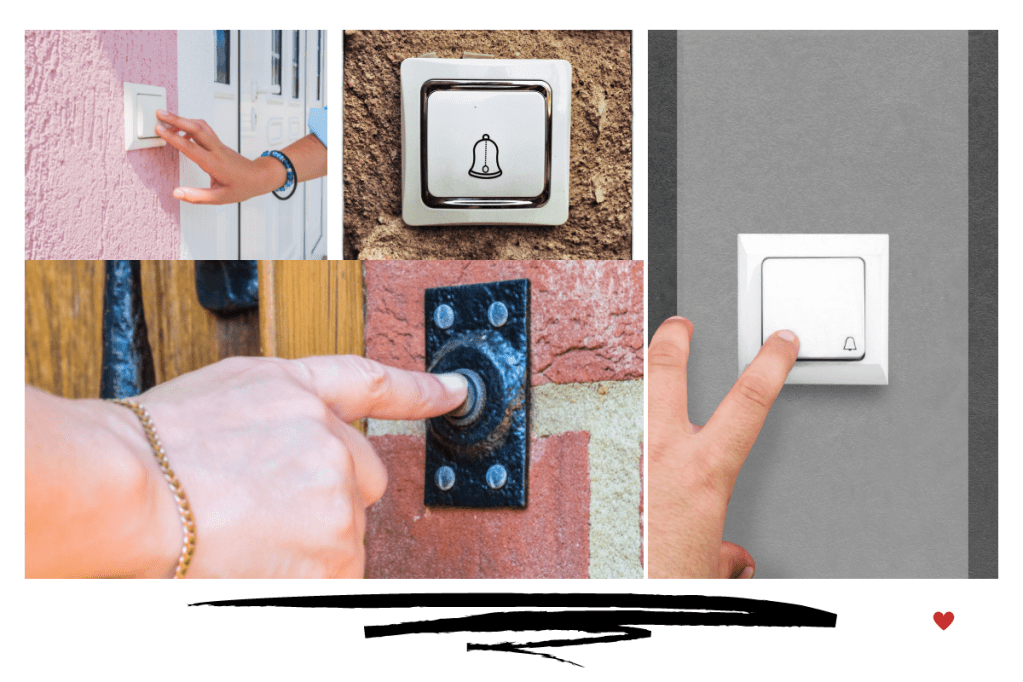
The Advantages of Wireless Doorbells
Wireless doorbells offer various advantages over traditional doorbells. They were able to eliminate the need for complex cabling and substantially simplify the installation process by making use of wireless technologies. In addition, these doorbells provide a range of features that are not available on wired doorbells, such as portability and a multitude of options for personalization. The following is a list of some of the most important advantages offered by wireless doorbells:
Due to the fact that they do not need wiring, wireless doorbells are far easier to install than traditional wired doorbells.
Because of this, it is possible for homeowners to install them without the aid of a trained expert and in a short amount of time.
The mobility of wireless doorbells makes them an ideal choice for those who rent their homes or who have a transient lifestyle.
When a homeowner moves, they may easily take their doorbell with them without having to deal with the hassle of rewiring it or installing it in a new location.
Options available for Personalization There are many different personalization choices available with wireless doorbells, including a choice of chimes and the ability to modify the volume.
This gives homeowners the opportunity to choose a doorbell that not only meets their needs but also works well with the style of their home’s decor.
Wireless doorbells have a far greater range than traditional wired doorbells, which enables them to be used in homes that are either much larger or have many levels.
Because of this, homeowners are able to hear the doorbell from anywhere in the house, which eliminates the risk that they may miss visitors.
There are a number of wireless doorbells available that are compatible with smart home technologies such as Google Home and Amazon Alexa.
This gives homeowners the ability to connect their doorbell with their smart home environment, which then gives them the ability to control the doorbell using voice commands or a smartphone.
Wireless doorbells have various benefits over their wired counterparts, including simple installation, portability, personalizability, a wider operating range, and connectivity with smart home technologies. Wires may get tangled and cause other problems during installation. Because to these benefits, they are a well-liked choice among homeowners who are looking for a doorbell that is simple to install, can be personalized, and comes with a comprehensive set of modern capabilities.
The Benefits of Smart Doorbell Technology
The technology behind smart doorbells is an advancement on the wireless doorbell, providing houses with even more advanced capabilities and benefits than before. Smart doorbells provide greater security, convenience, and customisation options via the use of technology like as video cameras, motion sensors, and mobile apps. The following is a list of the most significant benefits that may be gained by using smart doorbell technology:
Video cameras are often included into smart doorbells, giving homeowners the ability to remotely view and speak with visitors while also monitoring their house.
Because of this, homeowners are able to verify the identity of visitors before opening the door, which increases their sense of safety and reduces the probability that their homes would be broken into or otherwise violated.
The ability for homeowners to get alerts and see live video feeds on their smartphones and tablets is made possible by the connectivity of smart doorbells to mobile apps.
Homeowners are able to monitor their front door from any location thanks to this feature, which makes it much easier for them to stay connected and in control of their home security.
Smart doorbells provide a number of various customization options, such as movable motion sensors, a selection of different sound levels, and programmable alerts.
Homeowners are able to customise their doorbells to reflect their lifestyles and interests by selecting the settings that work best for them and making those selections on their doorbells.
Increased Functionality: Smart doorbells often come equipped with capabilities such as night vision, motion sensors, and two-way audio.
This suggests that homeowners may use their doorbell to monitor their home’s security and activities at any time of the day or night, in addition to using it to answer the door when someone knocks on their door.
There are a variety of different smart home devices that can be connected to a smart doorbell, including smart locks, thermostats, and lighting systems.
This makes it possible for homeowners to control their whole home security system from a single location and automate their home’s activities, both of which contribute to enhanced convenience and efficiency.
 Hey Singapore