
Explore the intriguing history of Japanese plates in this cultural journey. Unearth the fascinating stories behind these beautiful artifacts. Join us now!
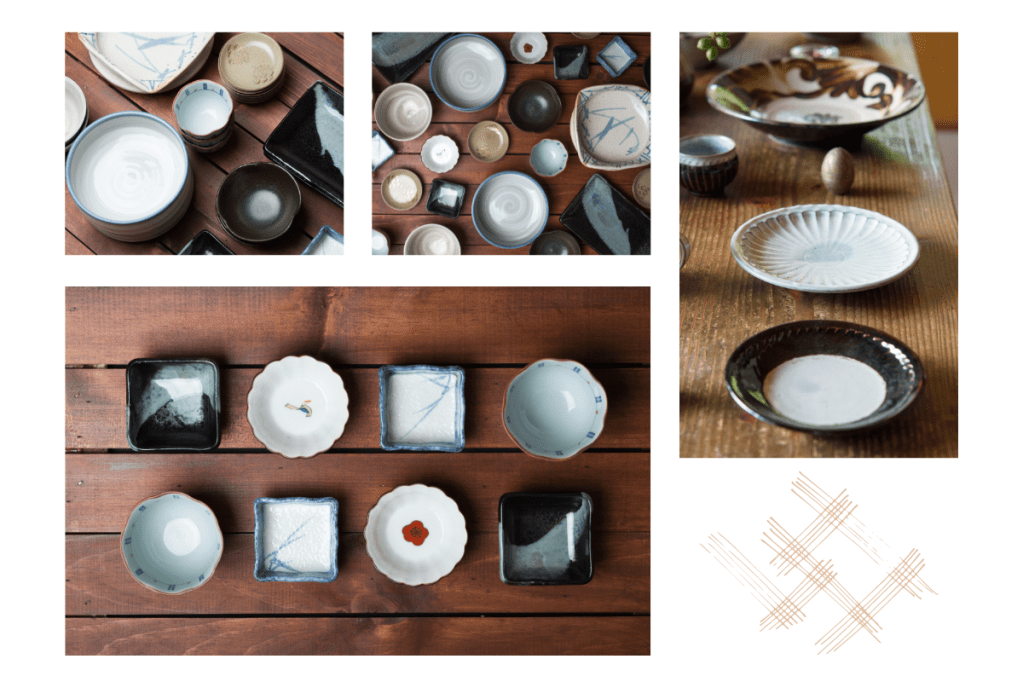
The Evolution of Japanese Pottery over the Centuries
Japanese pottery is one of the world’s oldest and most sophisticated forms of ceramic art, and its evolution over the centuries is a testament to the country’s rich cultural heritage. From the simple, functional vessels of the Jomon period to the elegant and refined porcelain of the Edo era, Japanese pottery has undergone many changes throughout history.
Jomon Period (14,000 – 300 BCE)
The earliest form of Japanese pottery dates back to the Jomon period, which began around 14,000 BCE and ended around 300 BCE. The pottery from this period was mostly functional and was used for cooking, storing food, and other practical purposes. The Jomon people were skilled at creating coiled pottery, which involved rolling clay into long ropes and then shaping them into pots and other vessels. The pottery from this period was decorated with distinctive patterns and designs, including rope-like markings and impressions made with shells and sticks.
Heian Period (794 – 1185 CE)
During the Heian period, which lasted from 794 to 1185 CE, Japanese pottery underwent a significant transformation. Influenced by Chinese ceramics, Japanese potters began to experiment with new techniques and styles. This period saw the emergence of Sue pottery, which was known for its simple shapes and smooth, polished surfaces. Sue pottery was fired at high temperatures, which gave it a distinctive gray color. Another notable development during this period was the creation of celadon glazes, which were imported from China and used to create delicate, translucent ceramics.
Edo Period (1603 – 1868 CE)
The Edo period, which lasted from 1603 to 1868 CE, was a time of great innovation and creativity in Japanese pottery. This period saw the emergence of many new styles and techniques, including Arita porcelain, which was created in the town of Arita and exported throughout the world. Arita porcelain was known for its delicate, intricate designs and vibrant colors, which were achieved through the use of cobalt blue and other pigments. Other notable developments during this period include the creation of Seto and Shigaraki ware, which were known for their rustic beauty and natural charm.
The Influence of Zen Philosophy on Japanese Plate Design
Zen philosophy has had a profound influence on many aspects of Japanese culture, including art and design. One area where Zen has had a particularly strong impact is in the design of Japanese plates, which are known for their simple, elegant beauty and their ability to convey a sense of tranquility and mindfulness.
Minimalism
One of the key principles of Zen philosophy is minimalism, which emphasizes simplicity and the elimination of excess. This principle is reflected in the design of many Japanese plates, which are often plain and unadorned. Rather than relying on elaborate decorations or patterns, Japanese plates are designed to highlight the natural beauty of the materials used to create them. This minimalist approach allows the viewer to focus on the essential qualities of the plate, such as its shape, texture, and color.
Harmony
Another important principle of Zen philosophy is harmony, which emphasizes the importance of balance and unity. This principle is reflected in the design of Japanese plates, which are often created using symmetrical or asymmetrical forms that evoke a sense of harmony and balance. Whether the plate is round or square, its proportions are carefully balanced to create a sense of visual harmony that is pleasing to the eye.
Mindfulness
A third principle of Zen philosophy that has influenced the design of Japanese plates is mindfulness, which emphasizes the importance of being fully present in the moment and aware of one’s surroundings. This principle is reflected in the way that Japanese plates are often designed to encourage mindfulness and contemplation. For example, the simple beauty of a plain white plate can help to focus the mind and promote a sense of calm and stillness. Similarly, plates with natural, organic shapes and textures can evoke a sense of connectedness to the natural world and encourage a mindful appreciation of the food that is served on them.
The influence of Zen philosophy on Japanese plate design is evident in the simple, elegant beauty of these plates, as well as their ability to convey a sense of harmony, mindfulness, and tranquility. By embracing the principles of minimalism, harmony, and mindfulness, Japanese plate designers have created works of art that are not only aesthetically pleasing but also imbued with a sense of deeper meaning and significance. Whether used for everyday meals or special occasions, Japanese plates are a testament to the enduring power of Zen philosophy and its ability to inspire creativity and beauty in all aspects of life.
The Significance of Traditional Japanese Motifs on Plates
Japanese plates are known for their simple, elegant designs and their use of traditional motifs that have been passed down through generations. These motifs are not only aesthetically pleasing but also carry a deeper symbolic significance, representing important themes and values in Japanese culture. Understanding the significance of these motifs can help to deepen one’s appreciation for the artistry and cultural significance of Japanese plates.
Cherry Blossoms
One of the most well-known motifs in Japanese plate design is the cherry blossom. These delicate pink flowers are a symbol of spring and new beginnings, and are often depicted on plates and other ceramics. Cherry blossoms also represent the fleeting nature of life, reminding us to cherish each moment and appreciate the beauty that surrounds us.
Crane
Another common motif in Japanese plate design is the crane. These graceful birds are a symbol of longevity, happiness, and good fortune, and are often depicted in flight on plates and other ceramics. The crane is also associated with loyalty and fidelity, making it a popular motif for wedding plates and other commemorative items.
Mt. Fuji
Mt. Fuji is a prominent motif in Japanese plate design, representing Japan’s natural beauty and cultural heritage. This iconic mountain is depicted in a variety of styles, from simple line drawings to highly detailed landscapes. Mt. Fuji is also a symbol of perseverance and endurance, reminding us of the importance of determination and hard work in achieving our goals.
The Intricate Process of Handcrafting Japanese Plates
The art of handcrafting Japanese plates is a highly specialized and intricate process that requires skill, patience, and attention to detail. From preparing the clay to firing the finished product, every step of the process is carefully executed to ensure the creation of a beautiful and functional work of art.
Preparing the Clay
The first step in handcrafting a Japanese plate is preparing the clay. The clay must be carefully selected and processed to remove impurities and ensure that it is malleable and easy to work with. The clay is then shaped into a rough form, which will be refined and shaped further as the process continues.
Throwing and Trimming
Once the clay is prepared, the potter will begin throwing the plate on a pottery wheel. This process involves shaping the clay into a flat, circular form with raised edges. After the plate is thrown, it is trimmed to remove any excess clay and to ensure that the edges are smooth and even.
Decoration and Firing
After the plate is trimmed, it is decorated using a variety of techniques, such as painting, carving, or stamping. The plate is then fired in a kiln at high temperatures, which strengthens the clay and sets the glaze. The firing process is carefully monitored to ensure that the plate is fired evenly and that the glaze achieves the desired texture and finish.
Handcrafting Japanese plates is a complex and intricate process that requires a high level of skill and attention to detail. From preparing the clay to firing the finished product, every step of the process is carefully executed to ensure the creation of a beautiful and functional work of art. By understanding the intricate process of handcrafting Japanese plates, we can deepen our appreciation for the artistry and cultural significance of these beautiful ceramics.
The Role of Kilns in Japanese Plate-making
Kilns have played a crucial role in Japanese plate-making for centuries, providing the heat necessary to transform raw clay into durable, functional works of art. Kilns come in a variety of shapes and sizes, each with its own unique characteristics and capabilities. Understanding the role of kilns in Japanese plate-making can help us appreciate the artistry and complexity of this ancient craft.
Types of Kilns
There are several types of kilns used in Japanese plate-making, each with its own unique characteristics and benefits. Anagama kilns, for example, are large, wood-fired kilns that are built into the ground. These kilns can hold a large amount of pottery and are fired for several days at a time, resulting in unique, unpredictable patterns and textures on the finished product. Other types of kilns used in Japanese plate-making include electric kilns, gas-fired kilns, and traditional charcoal-fired kilns.
Firing Techniques
The firing process is an important aspect of Japanese plate-making, as it determines the final appearance and durability of the finished product. Traditional firing techniques involve slow, gradual increases in temperature, which allow the clay to dry and harden without cracking or warping. Firing temperatures can vary depending on the type of clay and glaze used, with some kilns reaching temperatures of over 1,000 degrees Celsius. The firing process can take anywhere from a few hours to several days, depending on the size of the kiln and the complexity of the firing schedule.
Maintenance and Care
Maintaining a kiln is an important aspect of Japanese plate-making, as even minor issues with the kiln can result in uneven firing and damage to the finished product. Kilns must be regularly inspected and cleaned, with any cracks or damage repaired promptly to ensure even heating and firing. Proper ventilation is also important to prevent the buildup of toxic gases and ensure the safety of the kiln operator.
The Impact of Modern Technology on Traditional Japanese Plate-making Techniques
While traditional Japanese plate-making techniques have been practiced for centuries, modern technology has had a significant impact on the craft in recent years. From new materials and tools to computer-aided design software and 3D printing technology, modern advancements have opened up new possibilities for plate-makers and expanded the range of techniques and styles available.
New Materials and Tools
Advancements in materials science and tool design have had a significant impact on Japanese plate-making in recent years. New materials, such as high-strength ceramics and advanced glazes, offer improved durability and performance, while new tools and equipment, such as electric pottery wheels and precision cutting tools, allow plate-makers to work more efficiently and with greater precision.
Computer-Aided Design and 3D Printing
Computer-aided design (CAD) software and 3D printing technology have revolutionized plate-making by allowing designers to create intricate, detailed designs with greater speed and accuracy than ever before. These technologies enable plate-makers to create prototypes and test designs quickly and easily, and to refine their work to achieve the desired results.
Challenges and Opportunities
While modern technology has opened up new possibilities for Japanese plate-making, it has also presented challenges to traditional techniques and values. Some critics argue that the use of advanced technology and materials detracts from the artistry and cultural significance of traditional plate-making, while others see it as an opportunity to expand the craft and create new works of art that blend traditional and modern elements.
The role of kilns in Japanese plate-making is critical to the craft’s continued success and cultural significance. From traditional wood-fired kilns to modern electric and gas-fired kilns, these tools provide the heat necessary to transform raw clay into beautiful, functional works of art. Similarly, modern technology has had a significant impact on Japanese plate-making by introducing new materials, tools, and techniques that expand the range of styles and possibilities available to plate-makers. While there are challenges and debates around the use of modern technology in traditional crafts, there is no denying its potential to push the boundaries of what is possible and create new works of art that honor the rich history and cultural significance of Japanese plate-making.
 Hey Singapore