
Explore the obscure nutritional qualities of the Walnut Mooncake, a delectable delicacy from the Far East. Uncover the secrets of this hidden gem today.
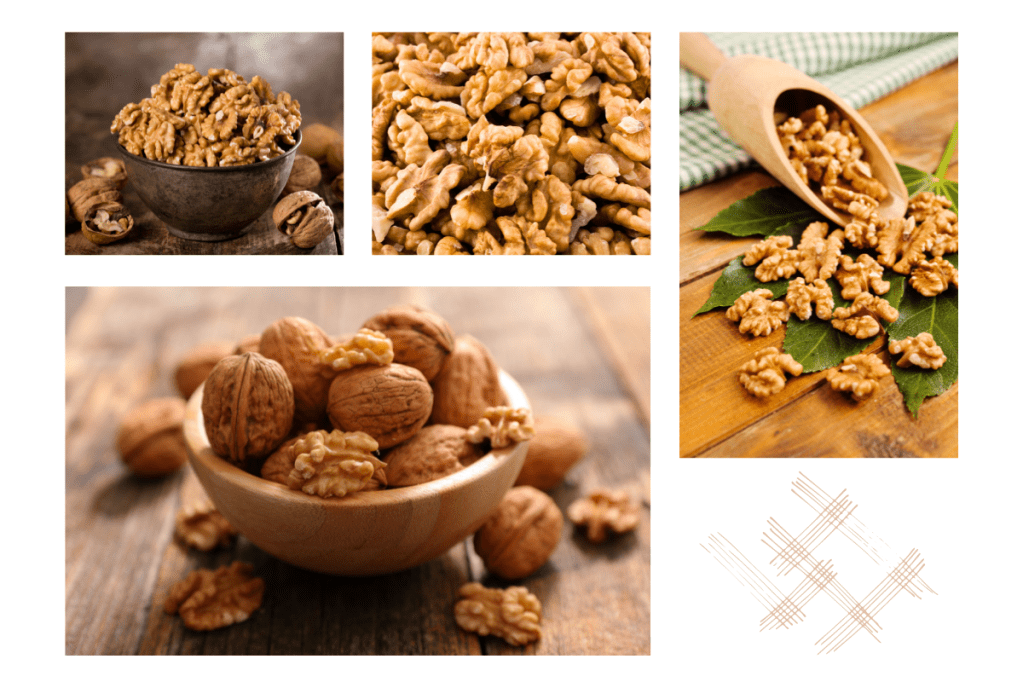
A Comprehensive Nutritional Analysis of the Walnut Mooncake
A full nutritional analysis of the walnut mooncake is an essential component in understanding its impact on health. This classic dessert, often enjoyed during the Mid-Autumn Festival, is made with flour, sugar, oil, and, of course, walnuts. The caloric content of the walnut mooncake is higher than other pastries, with an average of 350 calories per serving. However, the nutritional profile of this sweet treat may surprise you.
Walnuts, the primary ingredient in this delicacy, contain high levels of heart-healthy unsaturated fats, protein, and fiber. These elements combine to provide a range of health benefits, such as reducing inflammation and improving cardiovascular health. Additionally, walnuts contain an abundance of vitamins and minerals, including vitamin E, magnesium, and phosphorus. These essential nutrients contribute to overall wellness, supporting healthy bones, skin, and immune function.
While it’s true that walnut mooncakes may not be the most health-conscious dessert option, their nutrient-rich composition should not be overlooked. Incorporating walnuts into a well-balanced diet can provide numerous health benefits. And during the Mid-Autumn Festival, indulging in a slice of this delectable treat can be a festive and satisfying way to celebrate.
Health Benefits of Walnuts: A Scientific Exploration
Walnuts are a well-studied food, with scientific research showcasing a range of health benefits. These benefits can be attributed to the nutrient-dense composition of the walnut, which contains healthy fats, protein, fiber, and an array of vitamins and minerals.
One of the primary benefits of walnuts is their impact on heart health. Studies have shown that the consumption of walnuts can improve cholesterol levels, lower blood pressure, and reduce inflammation. These factors can decrease the risk of heart disease, a leading cause of death worldwide.
Additionally, walnuts may provide cognitive benefits. The high levels of omega-3 fatty acids found in walnuts have been linked to improved brain function and a reduced risk of neurodegenerative diseases such as Alzheimer’s. Furthermore, the presence of antioxidants in walnuts can protect against oxidative damage and promote healthy aging.
Incorporating walnuts into your diet can also support healthy weight management. Despite their high-calorie content, the protein and fiber in walnuts can increase feelings of fullness, reducing overall food consumption. And since walnuts are a whole food, they are less likely to contribute to weight gain than processed foods high in added sugars and refined carbohydrates.
Walnuts are a nutrient-rich food with a range of health benefits. Incorporating walnuts into a balanced diet can improve heart health, cognitive function, and weight management. So go ahead and indulge in this delicious and healthful nut.
The Role of the Walnut Mooncake in a Balanced Diet
Walnut mooncakes may be part of a healthy diet, but only if consumed sparingly, like any other meal. Although this traditional sweet is heavy in calories and sugar, it does include a number of beneficial elements.
The main component of walnut mooncakes, walnuts, are a nutrient-dense and gratifying addition to any diet because of their high levels of healthy fats, protein, and fiber. Mooncakes are a great source of energy since they include both sugar and wheat. You should eat mooncakes, but only in moderation, so that you don’t go over your daily sugar and calorie allotment.
If you want to include walnut mooncakes in a healthy diet, you need to think about how often you eat them and how many. Indulging in this classic dessert in moderation by eating only one piece at a time and saving them for the Mid-Autumn Festival can be a fun and joyful way to celebrate the occasion. You may increase the health advantages of eating a mooncake by washing it down with a cup of green tea, which is full of antioxidants and can help with digestion.
Although walnut mooncakes aren’t the healthiest dessert choice, eating them as part of a healthy, balanced diet can help you meet your daily nutritional needs and improve your food pleasure and enjoyment.
Unconventional Twists on Traditional Walnut Mooncakes
Although walnut mooncakes are a classic, there are numerous creative ways to reimagine this sweet treat that bring a new layer of flavor and pleasure. There are a plethora of innovative takes on the classic walnut mooncake, including savory versions, vegan and gluten-free alternatives.
To create the savory mooncake, cooks swap out the typical sweet filling for savory ones, such meat, cheese, or veggies. These savory mooncakes are a welcome change from the traditional sweet kind, and are typically served as an appetizer or even a main dish.
Vegan and gluten-free mooncakes are a tasty and easily accessible alternative for anyone with food allergies or restrictions. Traditional elements like eggs and butter are typically replaced with vegan alternatives in these mooncakes; rice flour and oat flour are common substitutes. Finally, a mooncake that can be enjoyed by people with dietary restrictions while providing the same level of satisfaction as the classic version is possible.
The ice cream mooncake is an out-of-the-ordinary variation on the classic walnut mooncake. These mooncakes have ice cream baked right into the center, making them a cool and decadent treat that is ideal for the warmer months. The ice cream can also be created with more nutritious components, including fruit or coconut milk, for a lighter and more healthful treat.
Although there’s no denying that the basic walnut mooncake is a tasty treat, there are numerous creative ways to reimagine this old favorite. There is no lack of unique and tasty ways to enjoy this seasonal and cherished treat, from savory versions to vegan and gluten-free alternatives.
Pairing Flavors with the Walnut Mooncake: An Artistic Approach
Walnut mooncake flavor pairings may be seen as an artistic endeavor, since the right mix can bring out the best in the walnut’s nutty, earthy flavor. Mooncakes are traditionally filled with a sweet and creamy paste made from a combination of lotus seed and red bean. But, the walnut mooncake may be taken to new heights with the addition of many other innovative and surprising taste combinations.
The saltiness of the salted egg yolk complements the sweetness of the mooncake and is a popular taste combination. Bakeries often sell salted egg yolk walnut mooncakes during the Mid-Autumn Festival now because of the rising popularity of this flavor combination. Matcha, cocoa, and even durian are just some of the other unusual flavors that may be combined to create a sumptuous and memorable meal.
Walnut mooncake flavor combinations should take into account the filling’s texture and consistency. To complement the silky smoothness of the lotus seed or red bean paste, a crunchy or chewy filling like almonds or sesame might be used. In addition, the mooncake’s flavor and texture may be greatly enhanced by the addition of other components, such as fruit or nuts.
Ultimately, a creative and artistic approach is needed to mix tastes with the walnut mooncake, as the proper combination of flavors may take this traditional treat to new heights of delight.
Global Influences on the Evolution of the Walnut Mooncake
International commerce, migration, and cultural interchange have all had a role in shaping the development of the walnut mooncake. The Mid-Autumn Festival in China is when the walnut mooncake was originally popular. The walnut mooncake, however, continued to spread to other regions and adapt to new cultural and culinary influences as global commerce and migration patterns altered.
Movements of people and goods from China have had a significant impact on the development of the walnut mooncake. In recent decades, the custom of serving mooncakes at celebrations of the Mid-Autumn Moon has traveled with Chinese communities across the world. Global culinary trends and tastes have also encouraged the introduction of novel ingredients and flavor combinations, such as matcha and chocolate.
The use of regional ingredients and tastes has also played a major role in the development of the modern walnut mooncake. In Southeast Asia, for instance, pandan leaf, a fragrant and savory herb often used in local cuisine, is typically used in mooncakes. Pineapple is a staple in Taiwanese cuisine and is frequently used as a filling in mooncakes. These variants show how the original walnut mooncake has changed through time to reflect regional preferences while retaining its distinctive flavor profile.
Migration, trade, and cultural interchange are just a few of the worldwide forces that have shaped the development of the walnut mooncake over time. This well-loved dessert has evolved and adapted in response to a wide range of influences, and as a result it has come to represent both continuity and change.
The Timeless Legacy of the Walnut Mooncake in British Chinese Cuisine
The walnut mooncake is a classic dish that has been loved by Chinese immigrants and their British-born offspring for decades. The popularity of the mooncake in British Chinese cuisine is a testament to the festival’s significance to Chinese communities all over the world and to the longstanding cultural traditions that they uphold.
The walnut mooncake‘s adaptability is a large part of why it has become so popular in British Asian restaurants. Mooncakes are versatile treats that may be eaten for dessert or as a light snack, and their little size makes them ideal for passing around the table. Walnuts are a popular component in both sweet and savory meals because their rich, nutty flavor pairs well with a wide range of other flavors.
The cultural importance of the walnut mooncake contributes to its ever-lasting appeal in British Asian cuisine. In the Chinese tradition, mooncakes play a significant role in the Mid-Autumn Festival, a time when families join together to celebrate the harvest moon. The walnut mooncake is an important part of Chinese culture and a method for Chinese immigrants and their descendants in Britain to stay connected to their roots and pass on traditions.
All things considered, the walnut mooncake has been a staple of British Asian cooking for many generations, appearing in both sweet and savory dishes.
 Hey Singapore