
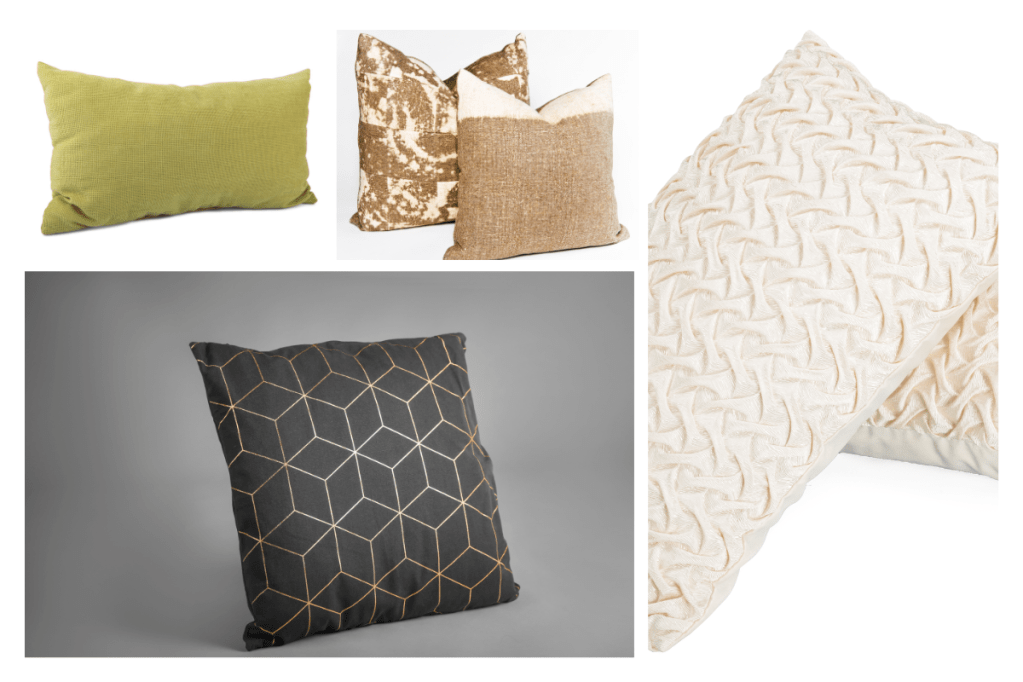
Tufted furniture has been a staple in interior design for centuries. This technique involves pulling fabric or leather through layers of padding or cushioning to create a pattern of depressions or indentations on the surface. Tufting adds texture, depth, and visual interest to furniture pieces, making them a popular choice for many homeowners.
In this article, we’ll take a closer look at the history of tufted furniture, its many uses in modern interior design, and tips for choosing and caring for tufted pieces. We’ll also answer some frequently asked questions about tufted furniture.
The History of Tufted Furniture
The art of tufting dates back to the 1400s and has endured for centuries. During the period, it was employed to create aesthetically pleasing and cozy upholstered furniture. Tufted furniture had to be manually tufted, which made it incredibly time-consuming and expensive to make. Yet, this method of producing furniture was quite popular since it produced items that were both useful and beautiful.
The industrialization of the furniture industry in the nineteenth century saw the development of the tufting machine, which made the production of tufted pieces possible at scale. Because of this development, factories could crank out goods at a higher pace and cheaper cost, completely revolutionizing the furniture manufacturing sector.
The taste of the Victorian elite for ornating their houses with complex and expensive furnishings contributed to the rise in popularity of tufted furniture. The backs and armrests of chairs and couches were upholstered using the tufting method to provide a touch of extravagance.
The decade of the 1920s saw a transition toward a more contemporary style for tufted furniture. In order to develop more modern items that were not only aesthetically pleasing but also practical, designers started experimenting with a wide variety of materials, colors, and patterns. The term “tufted furniture” refers to a style of upholstery that was popular during this historical period. tufted furniture included anything from dining chairs to ottomans.
The Many Uses of Tufted Furniture in Modern Interior Design
Nowadays, tufted furniture may be seen in homes decorated in a broad variety of styles, from classical to ultra-modern. Its adaptability makes it suitable for the kitchen as well as the bedroom.
Sofas and armchairs that include tufting are among the most sought after objects in a home. These upholstered items will be the center point of any decor thanks to the tufting that gives them character and dimension. When furnishing a big living room, tufted couches are a popular choice since they can accommodate several guests in comfort and style.
Types of Tufting Techniques
Yarn or other fibers are tufted into a fabric by being inserted into the cloth to form a pile or tufted surface, which is a textile method. Tufting may be done by hand or by machine, among other methods.
Traditional hand-tufting includes inserting individual strands of yarn or other fibers into a cloth using a hand-held instrument. Because of the increased accuracy and control it affords, this method is perfect for constructing elaborate patterns and motifs. On the other hand, it requires a lot of time and effort.
As opposed to hand-tufting, machine-tufting employs the use of a specialized machine to insert fibers into cloth. This method is superior to hand-tufting in speed and efficiency, making it suitable for industrial manufacturing. Although it’s faster and easier than hand-tufting, machine-tufting isn’t always as exact or flexible.
Power-tufting, which use a motorized instrument to insert fibers, and needle-punching, which utilizes a series of needles to interlock strands, are two further forms of tufting processes. There are benefits and drawbacks to every approach, and picking one depends on the task at hand and the intended goal.
Tufting is a flexible method that may be used to make anything from carpets and rugs to upholstery and even garments. Textile designers and producers may make high-quality, practical, and aesthetically attractive textiles by learning about the numerous kinds of tufting processes and their individual strengths and limitations.
Applications of Tufting
Tufting is a versatile technique that finds its application in various industries. Here are some of the most common applications of tufting:
- Furniture: Many homeowners and decorators choose tufted couches, chairs, and ottomans. The tufted design provides a luxurious touch to any space with its textured and velvety look. The tufting also aids in keeping the filling in place, so it doesn’t move and become lumpy over time.
- Carpets: A tufted carpet is a more affordable option than a woven one. To create a looped or cut pile surface, yarn is tufted by being punched through a backing material. Because of the flexibility this approach provides in terms of texture and pattern, tufted carpets are widely used in both public and private areas.
- Clothing: Clothing and accessories may benefit from tufting because it adds depth and texture. This method is often used in the knitting industry to give items of clothing a raised design (think polka dots or stripes). Accessories like purses and wallets often have tufted materials.
- Automotive: In the automobile industry, tufting is used to make upholstery for seats, headrests, and door panels that are both long-lasting and aesthetically pleasing. The act of tufting aids in securing the filling so that it does not move or flatten out over time. As an added bonus, tufting may provide a visually pleasing texture that enriches the depth and intrigue of a car’s interior.
In sum, tufting has numerous uses and many advantages. Furnishings and carpets benefit from their soft texture and aesthetic intrigue; apparel and accessories benefit from their capacity to inspire original designs; and automobile upholstery benefits from their durability and textured surface.
Trends in Tufting
As with many industries, the tufting industry is constantly evolving and adapting to new trends and technologies. Some current trends in tufting include:
- Sustainable materials: Several tufting businesses are looking into the usage of sustainable materials like recycled fibers and natural materials like wool and cotton since there is an increasing emphasis on sustainability and eco-friendliness.
- Bold colors and patterns: In terms of color and pattern, tufted items are getting more adventurous, with designers using strong and brilliant colours to produce eye-catching and distinctive pieces.
- Customization: The need for individualized and distinctive products is rising, and tufted goods are no exception. Bespoke tufted furniture and carpets are becoming increasingly well-liked because they let clients design one-of-a-kind products that express their own tastes.
- High-tech tufting: With computer-controlled machinery allowing for better accuracy and speed, technological advancements are making it feasible to make tufted patterns that are more elaborate and detailed than ever before.
The tufting business is anticipated to grow and change over the next years as new cutting-edge technologies and materials hit the market. Companies that discover methods to expand their offerings of sustainable and renewable goods are likely to see considerable growth. As more people want for distinctive items, the market for tufted goods that can be customized is anticipated to grow. In the near future, market expansion and innovation in the tufting sector are anticipated to soar.
Tufting Materials and Tools
In order to create a pile or tufted surface, loops of yarn or thread are inserted into a backing material during the tufting process. To get the required outcomes, the procedure needs certain supplies and equipment.
Materials commonly used for tufting include various types of yarns and threads, such as wool, cotton, polyester, and nylon. The backing material can be made of natural fibers like cotton or synthetic fibers like polypropylene. The choice of materials often depends on the intended application of the tufted product.
In addition to the yarn and backing materials, tufting requires specific tools. One of the most important tools is the tufting gun, a handheld tool that inserts the yarn or thread into the backing material. Tufting guns can be manual or electric, and they come in various sizes and shapes depending on the thickness and type of yarn being used.
Other tools used for tufting include scissors for cutting the yarn, a seam ripper for undoing mistakes, and a tape measure for measuring the size and placement of tufts. Additionally, a frame or stretcher may be used to keep the backing material taut and prevent distortion during the tufting process.
Overall, the selection of materials and tools is essential in achieving the desired results in tufting. With the right materials and tools, tufting can be a versatile and creative technique for producing a range of tufted products.
To sum up, tufting is a widespread and well-liked method that can be seen everywhere from apparel and accessories to home furnishings and carpets. Manual tufting and machine tufting are the two most prevalent methods, and both have their benefits and drawbacks. In addition to its aesthetic value, tufting also provides increased comfort and longevity.
There is a wide range of natural and synthetic materials that may be utilized for tufting projects. While a tufting gun or needle, backing material, and thread are the standard tufting instruments, there is some variation in these requirements.
Innovation and inventiveness in the tufting sector are likely to increase as the demand for one-of-a-kind and bespoke goods rises. The future of tufting is bright because to developments in technology, new materials, and innovative methods.
 Hey Singapore