
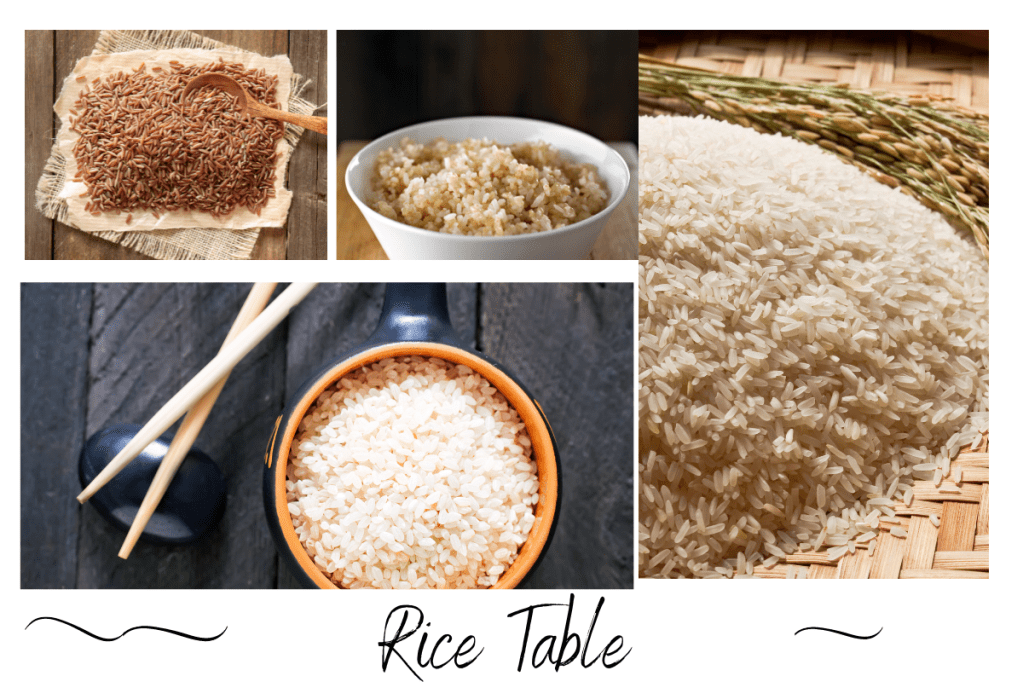
When it comes to experiencing the flavors of Southeast Asian and Dutch cuisines, there’s no better way than indulging in a rice table. A rice table, also known as rijsttafel in Dutch or nasi padang in Indonesian, is a feast of various dishes served with rice. It is a culinary tradition that has been passed down through generations and is still celebrated today.
Rice tables have a rich cultural significance, particularly in Indonesia and the Netherlands. In Indonesia, the rice table is a symbol of hospitality, a way to show guests the diverse flavors and ingredients of the country’s cuisine. The tradition dates back to the Dutch colonial period when the Dutch elite would host lavish dinner parties for their guests. To cater to their guests’ tastes, the Indonesian servants would prepare a variety of dishes, which eventually evolved into the rijsttafel.
In the Netherlands, the rice table has become a beloved dish, thanks to the country’s historical connection with Indonesia. The Dutch colonized Indonesia in the 17th century and, as a result, brought back the rijsttafel to their home country. Today, the rijsttafel is a popular dish in Dutch cuisine and can be found in restaurants throughout the country.
One of the unique aspects of the rice table is its ability to showcase the diverse flavors of Southeast Asian and Dutch cuisines. From spicy curries to savory meat dishes and sweet desserts, a rice table offers a range of tastes that are sure to tantalize the taste buds. Additionally, the colorful presentation of the dishes makes for a feast for the eyes as well as the palate.
The rice table is an important culinary tradition that continues to be celebrated in Southeast Asian and Dutch cultures. Whether you’re a seasoned foodie or a curious traveler, indulging in a rice table is an experience that you won’t soon forget. So, get ready to savor the flavors of Southeast Asia and the Netherlands with a rice table feast.
The rice table, also known as the rijsttafel, is a culinary tradition that has become a beloved staple in Indonesian cuisine. But where did this tradition come from, and how has it evolved over time?
The Origins of the Rice Table
The origins of the rice table can be traced back to the Dutch colonial period in Indonesia, which lasted from the 17th century until 1949. The Dutch colonizers brought with them a culinary tradition that emphasized the presentation of a variety of dishes at dinner parties. However, they found the spicy, complex flavors of Indonesian cuisine to be a bit overwhelming for their taste buds. In response, the Indonesian servants started preparing a variety of milder dishes that would appeal to the Dutch palate.
Over time, this practice evolved into what we now know as the rice table. The term “rijsttafel” literally means “rice table” in Dutch, and refers to the practice of serving a variety of small dishes with rice as the centerpiece. The dishes included on a rijsttafel can range from spicy curries to savory meat dishes and sweet desserts, and are meant to be shared among the diners.
The Evolution of the Rice Table
As the Dutch colonial period came to an end, the rijsttafel continued to evolve and become a staple of Indonesian cuisine. Indonesian chefs started adding their own twists to the dishes, incorporating local ingredients and spices to create a unique flavor profile. Today, the rice table is a reflection of the diverse cultural influences that have shaped Indonesian cuisine over the centuries.
One of the key features of the rice table is its ability to showcase the diversity of Indonesian cuisine. With so many different dishes on offer, diners are able to experience a range of flavors and textures that they might not otherwise have the opportunity to try. The rice itself is also an important part of the meal, as it serves as a neutral base for the other dishes and helps to balance out the flavors.
In addition to its culinary significance, the rice table also holds cultural significance for the people of Indonesia. It is a symbol of hospitality and generosity, as it is often served to guests at special occasions such as weddings and religious festivals. It is also a way for Indonesian chefs to showcase their culinary skills and creativity, as they strive to create new and innovative dishes that will impress their diners.
What Does a Typical Rice Table Consist Of?
A typical rice table consists of rice as the centerpiece and a range of dishes served alongside it. The number of dishes can vary depending on the occasion, but it is not uncommon for a rice table to consist of 20 or more dishes. The dishes are typically small and meant to be shared among the diners.
The dishes on a rice table can be divided into several categories, including meat dishes, vegetable dishes, and condiments. Meat dishes can include anything from spicy beef rendang to chicken satay, while vegetable dishes may include dishes such as gado-gado (vegetables with peanut sauce) and urap (steamed vegetables with grated coconut). Condiments can include sambal (a spicy chili paste), acar (pickled vegetables), and krupuk (shrimp crackers).
Types of Dishes Served on a Rice Table
The dishes served on a rice table can vary depending on the region and the occasion, but there are some dishes that are commonly found on most rice tables. Here are some of the most popular dishes:
- Nasi Goreng: This is a fried rice dish that is often made with leftover rice, meat, and vegetables.
- Rendang: This is a spicy beef dish that is slow-cooked in coconut milk and spices.
- Sate: This is a skewered meat dish that is grilled and served with peanut sauce.
- Sambal Goreng Kentang: This is a spicy potato dish that is sautéed with garlic, shallots, and chili peppers.
- Ayam Goreng: This is a fried chicken dish that is typically seasoned with a blend of spices.
- Gado-Gado: This is a salad of mixed vegetables served with peanut sauce.
- Nasi Kuning: This is a yellow rice dish that is often flavored with turmeric and coconut milk.
- Sayur Lodeh: This is a vegetable soup made with coconut milk and a variety of vegetables.
- Krupuk: These are shrimp crackers that are often served as a condiment.
Rice table, or rijsttafel in Dutch, is a traditional feast consisting of rice and a variety of dishes served alongside it. This culinary tradition has evolved over time and varies in different regions of Southeast Asia and the Netherlands. Here, we’ll take a closer look at the different variations of the rice table and the flavors and ingredients that make them unique.
Indonesia
In Indonesia, the rice table, or nasi padang, is known for its spicy and flavorful dishes. The dishes are typically served in small portions and can include anything from spicy beef rendang to sambal goreng (spicy stir-fried vegetables). A common dish found on a nasi padang rice table is ayam bakar (grilled chicken) which is often marinated in a blend of spices, including turmeric, coriander, and chili powder.
Another popular dish is gulai ikan (fish curry) made with coconut milk, turmeric, and tamarind. Nasi goreng (fried rice) is also a staple on a nasi padang rice table and is often made with leftover rice, meat, and vegetables.
Malaysia
In Malaysia, the rice table, or nasi campur, typically includes a mix of Malay, Chinese, and Indian dishes. A popular dish on a nasi campur rice table is curry laksa, a spicy noodle soup made with coconut milk, curry paste, and seafood or chicken. Nasi lemak, a fragrant rice dish cooked with coconut milk and pandan leaves, is also commonly served on a nasi campur rice table. It is typically accompanied by fried chicken, sambal, peanuts, and cucumber slices.
Philippines
In the Philippines, the rice table, or boodle fight, is a communal feast where the dishes are laid out on banana leaves and eaten with bare hands. A common dish found on a boodle fight rice table is adobo, a meat dish made with vinegar, soy sauce, and garlic. Another popular dish is sinigang, a sour and savory soup made with tamarind or other souring agents and a variety of meats and vegetables.
Netherlands
In the Netherlands, the rijsttafel typically includes a mix of Dutch and Indonesian dishes. The dishes are often milder in flavor than those found in Southeast Asia. A popular dish on a rijsttafel rice table is kroket, a deep-fried meat ragout covered in breadcrumbs. Another common dish is sate, skewered meat that is grilled and served with peanut sauce.
In conclusion, the rice table is a cultural and culinary tradition that has evolved over time and varies across different regions of Southeast Asia and the Netherlands. It is a feast consisting of rice and a variety of dishes served alongside it, offering a diverse range of flavors and ingredients that make each variation unique.
The rice table holds great importance in Southeast Asian and Dutch cultures, serving as a symbol of hospitality, family gatherings, and celebrations. It is a reflection of the rich and diverse cultural heritage of these regions and has become a staple in their cuisine.
We encourage readers to try a rice table and experience the diverse flavors and ingredients for themselves. Whether you’re a fan of spicy and bold flavors or prefer milder dishes, the rice table has something for everyone to enjoy. So, next time you’re looking for a new and exciting dining experience, consider trying a rice table and explore the rich and varied world of this culinary tradition.
 Hey Singapore