
For ages, humans have used cutlery, a necessary aspect of meals. Cutlery has seen major changes from the first simple tools to the most recent complex kitchenware. A wide variety of cutlery with distinct forms, functions, and aesthetic appeal has been developed as a result of the diversity of cultures, traditions, and eating habits. This article highlights the amazing universe that cutlery embraces by examining its development, significance, and history.
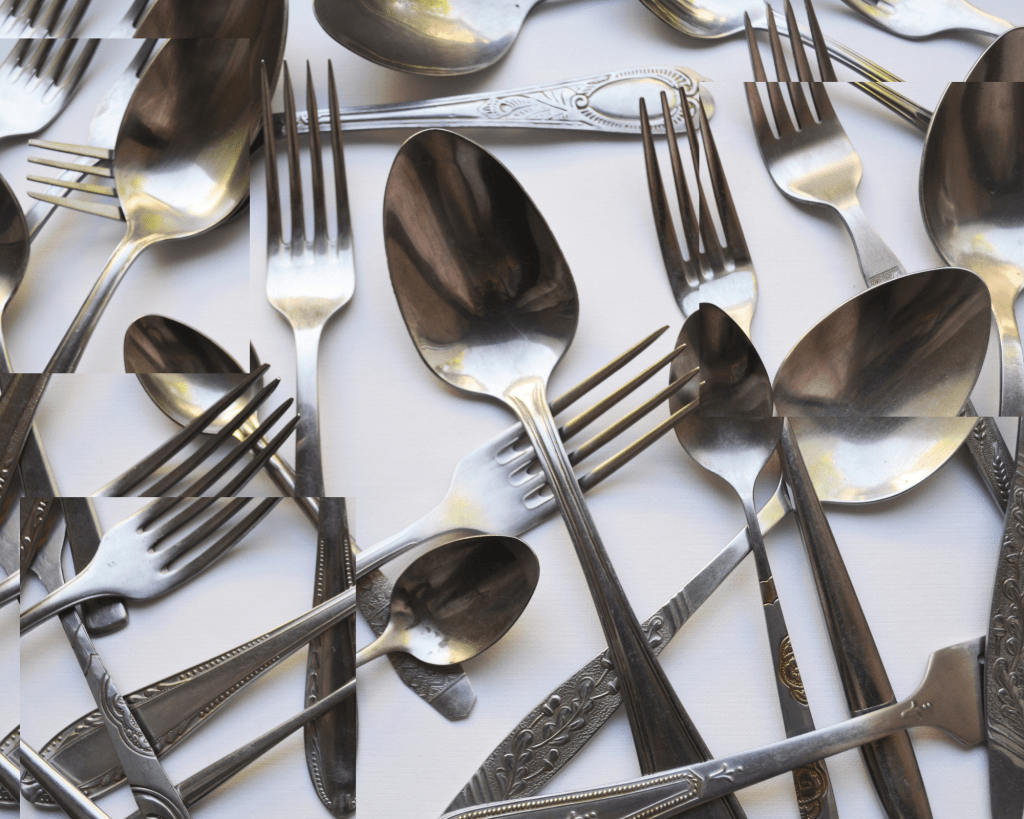
The Origins of Cutlery in History
Since prehistoric times, cutlery has had a long and varied history. Sharp stones, bones, and sticks served as the principal tools used by early humans for digging, chopping, and hunting. Cutlery made of bronze, copper, and iron first appeared as metalworking techniques improved over the history of human civilization. For religious rites, feasts, and banquets, the ancient Egyptians, Greeks, and Romans employed a variety of silverware, such as spoons, knives, and forks.
Cutlery became more widely available to the ordinary populace during the Middle Ages. While the common people utilized more basic and practical utensils made of wood, horn, or bone, the wealthy nobility and kings created sophisticated and beautiful cutlery sets out of gold, silver, and precious metals. The fork became a common dining item throughout the Renaissance, with Italians setting the standard for its use.
Cutlery: Its Craft and Art
Cutlery has never only been a piece of equipment for eating. Also, it has served as a medium of expression for the aesthetics, customs, and culture of the era. Skilled artisans and craftspeople from all around the world have produced exquisite cutlery with intricate patterns, engravings, and embellishments. Cutlery designs have changed over time to suit the shifting tastes and preferences of society.
Making cutlery is an art that calls for accuracy, dexterity, and close attention to detail. A competent craftsman creates a variety of cutlery using both old hand tools and contemporary technology. Cutlery can be produced from a variety of materials, including titanium, titanium alloy, silver, and gold. The intended application, durability, and aesthetic appeal all influence the material choice.
The Cutlery’s Usability
Cutlery is primarily used to facilitate the eating of meals. Each piece of cutlery serves a certain role. The fork and spoon are used for holding and spearing, the knife is used for slicing and cutting, and the spoon is used for scooping and ladling. These tools come together to form a cutlery set, which makes it simple and practical to eat a variety of foods.
Cutlery’s functionality is greatly influenced by its design. The utensils’ comfort, safety, and convenience of use are all influenced by their size and shape. The weight and balance of the cutlery are essential for a satisfying dining experience. The user’s comfort and safety are also influenced by the texture and grip of the handle.
The Importance of Cutlery in Culture
Cutlery serves a variety of cultural and symbolic purposes in addition to serving as a tool for eating. The way silverware is used and the etiquette that surrounds it is an important part of dining in many cultures. For instance, in Japan, using chopsticks properly is an important aspect of their culture and is regarded as a sign of respect and good manners. In many western cultures, setting the table with the right cutlery is an important part of formal dining.
Cutlery’s style and appearance can also have cultural importance. For instance, Indians typically utilize utensils made of brass or copper, while the Chinese customarily use chopsticks made of bamboo. Cutlery is not used and eating with one’s hands is customary in several African societies. Cutlery design can also convey cultural ideals like simplicity, beauty, and usefulness.
The Cutlery of the Future
The future of cutlery appears bright as technology and design advance. To produce silverware that is more environmentally friendly, practical, and visually beautiful, several designers and businesses are experimenting with novel materials and designs. For instance, some businesses are investigating the use of biodegradable materials like bamboo and cornstarch, while others are developing recyclable or reusable silverware.
Technology is also being used more and more in the creation of cutlery. A few businesses are experimenting with 3D printing to make specialized cutlery sets. Others are combining cutting-edge components like titanium and carbon fiber to make cutlery that is both strong and light.
Using Cutlery Properly During Eating
The sensation of eating with utensils is just as important as the dish itself. The dining experience can be improved by how silverware is used, how it should be utilized, and the atmosphere of the dining room. A memorable and pleasurable dinner experience can be created with a nicely laid table, exquisite cutlery, and appropriate table manners.
A keen eye for detail and an appreciation of aesthetics are necessary for the art of dining with cutlery. The dining experience can be impacted by the way silverware is arranged on the table, how it is used, and how it is held. In more informal circumstances, a relaxed and comfortable attitude may be more appropriate. In formal settings, using basic cutlery etiquette is essential.
The Value of Good Cutlery Maintenance and Care
Even while cutlery is made to be strong and long-lasting, it must nevertheless be properly cleaned and maintained to keep its usefulness and aesthetic appeal. The majority of cutlery is made of stainless steel, which, if not cleaned correctly, can rust and discolor. It is advised to hand wash your silverware in warm water and mild detergent to keep it in pristine shape. Avoid using abrasive sponges and harsh chemicals on the silverware since they can scratch and harm the finish.
It’s crucial to completely dry the silverware after washing it because any moisture remaining on the surface will lead to corrosion and discolouration. In order to avoid dust and grime accumulation, cutlery should be kept in a dry, clean location. To avoid dents and scratches, it’s also advised to keep silverware in a distinct area or sleeve.
Sharpening and polishing silverware on a regular basis can also assist to extend its life and preserve its look. While sharpening keeps the edges of knives sharp and functional, polishing can get rid of any stains and discolouration.
Cutlery’s Importance at Extraordinary Occasions
In addition, cutlery can be quite important at formal meals, weddings, and other special events. The atmosphere and formality of the event can be enhanced by the use of fine and elaborate tableware. For instance, silver and gold flatware sets are frequently utilized at formal events to evoke an opulent and sophisticated ambiance.
Using particular flatware for special occasions is customary in various cultures. For instance, in Greece, a spoon is used to cut a wedding cake, whereas in India, the groom is fed during the wedding ceremony using a particular kind of spoon.
The Use of Cutlery Affects Safety and Health
The use of cutlery can be very important for health and safety. Cutlery that is properly made and cared for can reduce accidents and advance cleanliness. Knives with dull blades, for instance, can slip and injure users, whereas utensils with sharp edges can effortlessly cut food without applying too much force.
Cutlery needs to be cleaned and maintained properly to stop the spread of bacteria and foodborne illnesses. Regular cleaning and sanitizing of cutlery is advised, especially when it is shared or used in public.
A Guide to Selecting the Best Cutlery Set
Given the variety of materials, patterns, and prices available, picking the ideal cutlery set can be intimidating. A cutlery set may have a variety of spoons, forks, and knives in varying sizes and shapes for use with various foods and events. The following tips will help you select the best cutlery set:
- Material: Stainless steel, silver, gold, and titanium are just a few of the materials that can be used to make cutlery. Silver and gold are more expensive and opulent than stainless steel, which is the most prevalent and cost-effective material. A strong and light choice is titanium.
- Design: Cutlery can be made in a variety of plain, minimalistic, or intricate, decorative designs. The cutlery’s style should be a reflection of your preferences and personal sense of fashion, as well as the event for which it will be used.
- Number of Pieces: Cutlery sets come in a variety of component counts, from a straightforward set of four to a thorough set of twenty. Take into account the amount of people living in your home as well as the occasions the silverware will be utilized for.
- Functionality: Take into account how well the cutlery in the set functions. The spoons and forks should be comfortable and simple to use, while the blades should be robust and sharp.
- Price: Cutlery sets can be purchased for a variety of budgets. Choose a set that fits your needs and tastes while taking your budget into account.
Conclusion:
Cutlery is a crucial part of dining and reflects the aesthetics, history, and culture of the civilization. The perfect silverware set may improve the dining experience, and with the right upkeep, it can last longer and look good. Moreover, cutlery is important for special occasions, wellbeing, and environmentally friendly dining. The function of cutlery in human civilisation will change and adapt as the globe changes, reflecting its vast diversity and history.
 Hey Singapore