
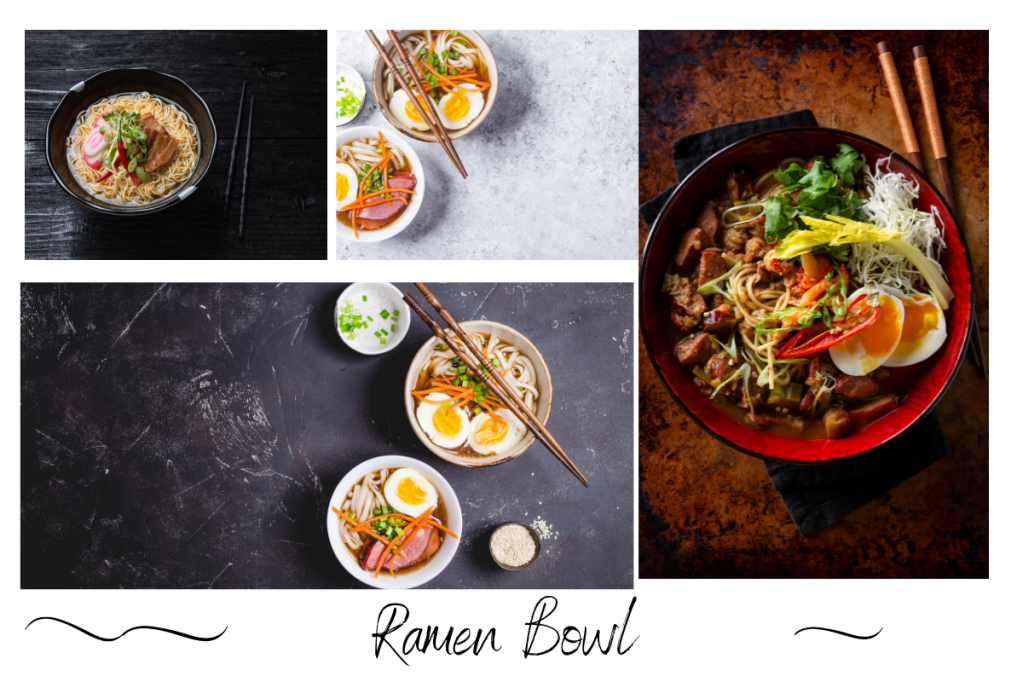
Ramen bowls have become a staple in many foodie communities around the world, and it’s not hard to see why. With their delicious broths, chewy noodles, and endless combinations of toppings, it’s no surprise that this dish has skyrocketed in popularity in recent years. But did you know that ramen actually has a rich and fascinating history rooted in Japanese culture?
Ramen noodles were first introduced to Japan in the late 19th century by Chinese immigrants, and the dish gradually evolved over time to become a beloved Japanese comfort food. In fact, ramen has become so deeply ingrained in Japanese cuisine that there are entire museums dedicated to its history and cultural significance.
One fun fact about ramen is that there are actually several different types of broth that can be used in the dish, each with its own unique flavor and ingredients. For example, there’s shoyu (soy sauce) broth, miso broth, tonkotsu (pork bone) broth, and even vegetarian or vegan broth options.
Another interesting fact is that ramen bowls are typically eaten in Japan as a communal food, with friends and family members sharing a large pot of noodles and broth. This tradition has led to the development of ramen restaurants with communal seating and open kitchen areas, where customers can watch their meals being prepared and enjoy the lively atmosphere.
Whether you’re a long-time fan of ramen or a newcomer to the dish, there’s no denying that this humble bowl of noodles has captured the hearts and stomachs of people all over the world. So why not join in on the fun and try your hand at making your own delicious ramen bowl at home, or visit a local restaurant to experience the authentic flavors and culture of this beloved dish?
Ramen bowls are a delicious and comforting dish that have taken the world by storm in recent years. While the exact ingredients and preparation methods can vary widely depending on the region and style of ramen, there are a few key components that make up a typical bowl. In this article, we’ll explore the anatomy of a ramen bowl and explain how each element contributes to the overall taste and texture of the dish.
Broth
- The broth is perhaps the most important component of a ramen bowl. It forms the base of the dish and provides the rich, savory flavor that makes ramen so irresistible. Traditional Japanese ramen broth can be made from pork bones, chicken bones, or a combination of the two, and is typically simmered for several hours to extract as much flavor as possible. Other ingredients, such as dried fish, vegetables, and soy sauce, can also be added for additional depth and complexity.
Noodles
- The noodles are another crucial part of the ramen bowl. They should be cooked until they are just tender but still retain a bit of chewiness, and can be made from wheat flour, rice flour, or a combination of the two. Different styles of ramen call for different types of noodles, ranging from thin and curly to thick and straight.
Toppings
- The toppings in a ramen bowl can be as varied as the people who make and enjoy them. Some popular toppings include slices of tender chashu (pork belly), ajitama (marinated soft-boiled egg), nori (dried seaweed), green onions, and bean sprouts. Vegetables like corn, bamboo shoots, and spinach can also be added for extra flavor and nutrition.
Seasonings
- Last but not least, the seasonings in a ramen bowl are what bring all the elements together and create a harmonious balance of flavors. Soy sauce, miso, and salt are common seasonings used in Japanese ramen, but other ingredients like chili oil, garlic, and vinegar can also be added for a spicy or tangy kick. Some people even like to customize their ramen with additional toppings and seasonings, like kimchi or grated ginger.
A typical ramen bowl consists of a rich broth, perfectly cooked noodles, a variety of delicious toppings, and carefully chosen seasonings. Each of these elements plays an important role in creating the complex and satisfying flavor profile that ramen is known for. So the next time you enjoy a piping hot bowl of ramen, take a moment to appreciate the careful balance of ingredients that make it such a beloved dish. And don’t be afraid to experiment with your own variations and customizations to make your ramen truly your own.
Ramen bowls are more than just a popular dish in Japan; they are a cultural phenomenon with a rich history and deep significance. From humble beginnings as a simple street food, ramen has evolved into a beloved comfort food enjoyed by people of all ages and walks of life. In this article, we’ll explore the cultural significance of ramen bowls in Japan, as well as their growing popularity and adaptation in other parts of the world.
In Japan, ramen is often enjoyed as a communal and social food. Families and friends gather around a large pot of noodles and broth, sharing stories and laughter while savoring the delicious flavors. This tradition has led to the development of ramen restaurants with communal seating and open kitchen areas, where customers can watch their meals being prepared and enjoy the lively atmosphere. Some popular ramen restaurants in Japan include Ichiran, which is known for its customizable bowls and individual seating booths, and Ippudo, which has a reputation for its creamy tonkotsu broth.
Each region of Japan has its own unique style of ramen, with distinct flavors and ingredients that reflect the local cuisine and culture. For example, Sapporo-style ramen from the northern island of Hokkaido features a miso-based broth and chewy noodles made with a blend of wheat and potato starch. Tokyo-style ramen, on the other hand, is characterized by a clear soy sauce-based broth and thin, straight noodles.
Outside of Japan, ramen bowls have become increasingly popular in recent years, with new adaptations and fusions emerging all the time. In the United States, for example, ramen burgers and ramen burritos have gained popularity as creative and delicious ways to enjoy this beloved dish. In other parts of the world, ramen has been fused with other cuisines to create unique and exciting flavors, such as Korean-style ramen with spicy gochujang sauce or Vietnamese-style ramen with pho-inspired seasonings.
In conclusion, ramen bowls are a versatile and delicious dish that can be enjoyed in many different ways. From the rich and flavorful broth to the variety of toppings and seasonings, ramen bowls offer a unique and satisfying eating experience that appeals to many people around the world. Whether you’re a meat-eater, vegetarian, or vegan, there are plenty of options for customizing your ramen bowl to your liking.
By following some simple tips and techniques, you can easily make a delicious ramen bowl at home and impress your friends and family with your culinary skills. Alternatively, you can visit a local ramen restaurant and experience the authentic flavors and culture of this popular dish firsthand.
So why not give it a try? Whether you’re in the mood for a hearty and comforting meal or a light and refreshing snack, a ramen bowl is sure to hit the spot. So gather your ingredients, get creative, and enjoy the delicious and satisfying flavors of a homemade ramen bowl today!
 Hey Singapore