
Introduction
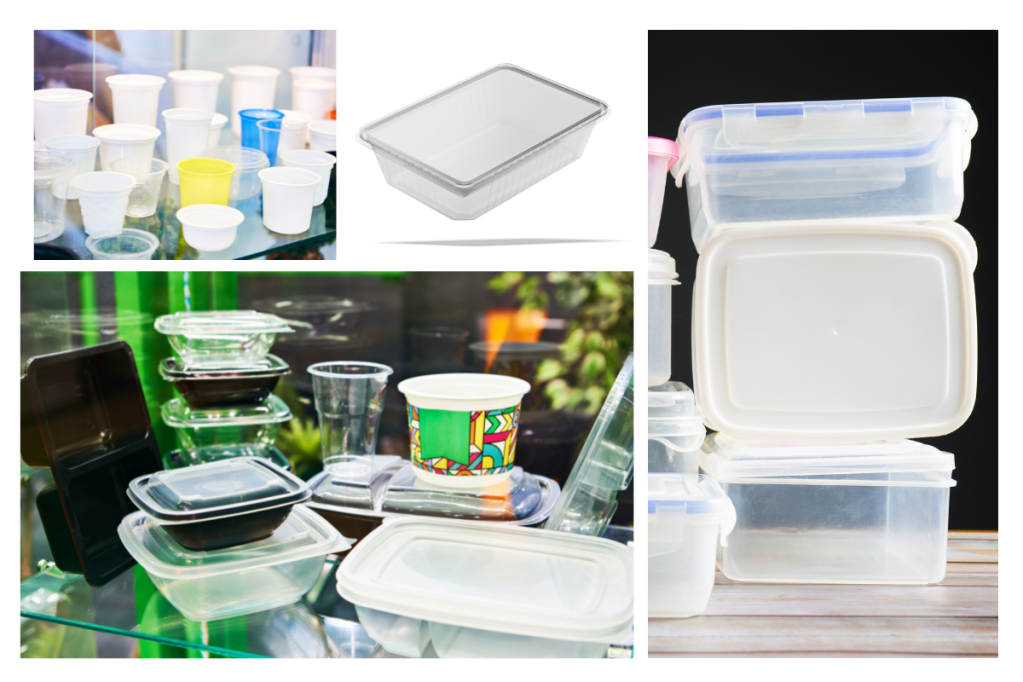
We’ll start with the obvious: plastic food packaging is everywhere. Almost everything in grocery stores and supermarkets is wrapped in plastic. Plastic food packaging has many advantages, including the maintenance of food’s freshness, the extension of the product’s shelf life, and the security of the food inside. Yet, the widespread use of plastics in food packaging has prompted worries about the negative effects on the environment and human health.
There are serious ecological consequences associated with the manufacturing and eventual disposal of plastic food packaging. Millions of tons of plastic are generated annually, making garbage from it a worldwide issue. Much of this plastic is destined for the landfill, the sea, or some other habitat where it will remain for hundreds of years. Toxic compounds leached from decomposing plastics have the potential to contaminate soil, water, and air. Marine life, birds, and other animals can all suffer from plastic pollution if they ingest it or become entangled in it.
Plastic food packaging is bad for the environment and people’s health. Bisphenol A (BPA) and phthalates are two of the chemicals found in plastic that have been shown to leach into food. Endocrine disruptors including bisphenol A (BPA) and phthalates can cause issues with development, reproduction, and other areas of health. Consumers and public health experts alike are worried about the potential health effects of being exposed to these chemicals.
There has been rising worry about the effects of the widespread use of plastic in food packaging on both the environment and human health. Although plastic food packaging has some positive effects, such as keeping foods fresh and making sure they are safe to eat, it also has some negative effects on the environment and people’s health. Therefore, it is important to encourage businesses and consumers to limit their usage of plastic and to research viable alternatives to plastic food packaging. In this post, we’ll take a look at the environmental and health effects, laws, sustainable alternatives, recycling options, and potential future of plastic food packaging.
Environmental Impact of Plastic Food Packaging:
The environmental impact of plastic food packaging is a growing concern worldwide. Plastic waste is a significant contributor to environmental pollution, and plastic food packaging is one of the largest sources of plastic waste. Most plastic food packaging ends up in landfills, where it can take hundreds of years to decompose. Even after decomposition, plastic can leave behind microplastics that are harmful to soil, water, and air quality.
The production of plastic food packaging also contributes to environmental pollution. The production of plastic requires large amounts of fossil fuels, such as oil and natural gas, which emit greenhouse gases and contribute to climate change. Additionally, the manufacturing process for plastic food packaging often involves the use of toxic chemicals that can harm workers and the environment. Plastic food packaging can also have negative impacts on wildlife and marine life. Animals can mistake plastic for food, which can lead to digestive problems and death. Plastic waste can also entangle and suffocate marine life, leading to declines in populations.
Health Concerns of Plastic Food Packaging:
Plastic food packaging can also pose health risks to humans. Plastic contains chemicals that can migrate into food, especially when the plastic is heated or exposed to acidic or fatty foods. Bisphenol A (BPA) and phthalates are two common chemicals found in plastic food packaging that have raised health concerns. BPA and phthalates are endocrine disruptors that can interfere with the body’s hormonal balance, leading to developmental, reproductive, and other health problems.
Studies have found that exposure to BPA and phthalates can lead to an increased risk of breast cancer, diabetes, obesity, and other health problems. Children are particularly vulnerable to the effects of these chemicals because their bodies are still developing. The use of plastic food packaging in microwave ovens and dishwashers can increase the likelihood of chemicals migrating into food. As such, it is important to be aware of the potential health risks associated with plastic food packaging and to take steps to reduce exposure.
Types of Plastic Used in Food Packaging:
There are several types of plastic used in food packaging, each with its own properties and advantages. Polyethylene terephthalate (PET) is a common plastic used in food packaging, such as water bottles and condiment containers. PET is lightweight, durable, and recyclable. High-density polyethylene (HDPE) is another common plastic used in food packaging, such as milk jugs and detergent bottles. HDPE is a sturdy and recyclable plastic that is resistant to moisture and chemicals.
Polystyrene (PS) is a lightweight plastic commonly used in takeout containers and disposable cutlery. PS is not recyclable and can take hundreds of years to decompose. Polyvinyl chloride (PVC) is a plastic used in food packaging, such as cling wrap and meat packaging. PVC contains phthalates, which have raised health concerns, and is difficult to recycle. As such, many companies are moving away from using PVC in food packaging.
Plastic Food Packaging Regulations:
Governments around the world have implemented regulations to address the environmental and health concerns associated with plastic food packaging. For example, the European Union has implemented a ban on single-use plastics, including plastic straws, cutlery, and plates, while several US states have implemented bans on single-use plastic bags. Some countries have also implemented extended producer responsibility (EPR) programs, which require companies to take responsibility for the disposal and recycling of their products.
In addition to government regulations, there are also voluntary industry initiatives aimed at reducing the environmental impact of plastic food packaging. For example, the Ellen MacArthur Foundation’s New Plastics Economy Global Commitment has been signed by more than 400 companies, including Coca-Cola and Unilever, pledging to eliminate unnecessary plastic packaging and increase the use of reusable and recyclable alternatives.
Sustainable Alternatives to Plastic Food Packaging:
Several sustainable alternatives to plastic food packaging are emerging in the market. One alternative is biodegradable packaging, which is made from renewable materials, such as plant starch or cellulose, and can decompose naturally. Another alternative is compostable packaging, which can break down into organic matter in composting facilities. Reusable packaging, such as glass jars and metal containers, can also be used as a sustainable alternative to single-use plastic packaging.
However, sustainable alternatives to plastic food packaging are not without their challenges. Biodegradable and compostable packaging requires specific conditions to decompose, such as exposure to heat and moisture, which may not be available in all waste management systems. Reusable packaging requires a significant investment in infrastructure and logistics, such as collection and cleaning systems. Additionally, sustainable alternatives to plastic food packaging are often more expensive than traditional plastic packaging, which may limit their adoption by consumers and businesses.
Plastic Food Packaging and Brand Responsibility:
As consumers become more aware of the environmental and health impacts of plastic food packaging, they are increasingly holding brands and companies accountable for their use and disposal of plastic. Some companies are responding to this pressure by implementing sustainable packaging strategies and reducing their use of single-use plastics.
For example, Nestle has committed to making 100% of its packaging recyclable or reusable by 2025, while McDonald’s has committed to sourcing all of its coffee, palm oil, and fish from sustainable sources by 2020. Other companies, such as PepsiCo and Coca-Cola, have invested in new recycling technologies to improve the recyclability of their packaging.
Brand responsibility also extends to the disposal of plastic food packaging. Companies are increasingly investing in waste management infrastructure and collaborating with stakeholders to promote responsible disposal of plastic. For example, Coca-Cola has partnered with local organizations to implement recycling programs in communities around the world, while Nestle has launched a global initiative to promote responsible disposal of plastic waste.
 Hey Singapore