
Porcelain plates have graced tables for centuries and remain highly esteemed for their aesthetic allure, superior quality, and hardiness. Crafted from an amalgam of kaolin, feldspar, and quartz, porcelain is a ceramic substance that undergoes intense heat treatment to produce an unyielding, white, and translucent material.
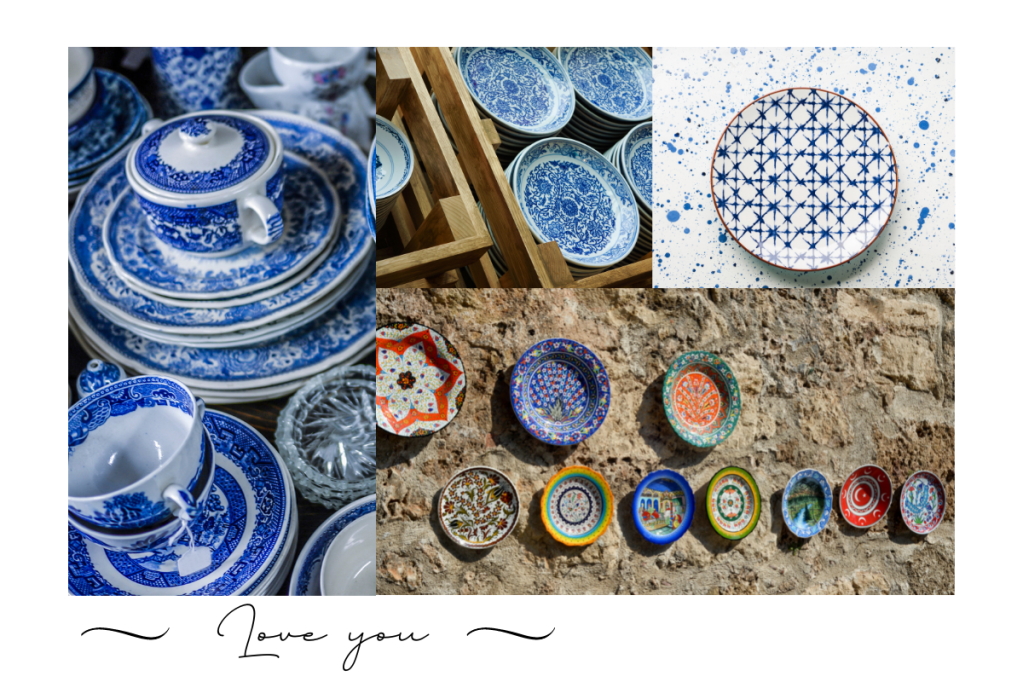
The creation of porcelain plates entails an intricate process, requiring multiple exacting steps. Raw materials are mixed to form a clay compound, which is then fashioned into the desired shape of the plate. After molding, the plate is fired in a kiln at scorching temperatures to yield its durability and strength. A final step involves glazing the plate and re-firing it to achieve a smooth, shining surface.
A myriad of styles of porcelain plates exist, from classic and traditional to contemporary and modern. Distinguished brands such as Royal Copenhagen, Lenox, and Wedgwood are renowned for their exquisite designs, while regional variants highlight unique styles and aesthetics.
The use of porcelain plates is manifold, as they serve both as everyday dinnerware and as elegant tableware for formal events like weddings and festive celebrations. Their decorative potential is noteworthy, as they add aesthetic charm to any room.
Caring for porcelain plates is crucial in safeguarding their longevity. To avoid harming their surfaces, they should be gently washed by hand using mild soap and warm water, avoiding dishwashers or harsh chemicals. Prudent storage practices prevent damage or breakage.
Porcelain plates are favored for their durability, longevity, and hygienic properties, and their beauty often renders them works of art. Nonetheless, they can be brittle and expensive in comparison to other types of dinnerware. Additionally, certain porcelain plates may be unsuitable for use in microwaves, which could pose an inconvenience for frequent food reheaters.
Porcelain plate collections are a well-liked hobby, requiring careful research and investment in premium, valuable pieces. Collections may comprise plates from specific designers, brands, or regions. Examples of popular porcelain plate collections include the Royal Copenhagen Christmas plate collection and the Wedgwood Jasperware collection.
In various cultures, porcelain plates hold significant cultural significance, symbolizing wealth and status, and are employed in special occasions and religious ceremonies. For example, in Chinese culture, porcelain plates are often utilized in religious ceremonies and as offerings.
The history of porcelain plates can be traced back to ancient China, where porcelain was first developed and has since become a cultural treasure. In Europe, porcelain was first imported from China in the 17th century, quickly becoming a status symbol among the wealthy. The development of European porcelain production led to a thriving industry, with factories in England, France, Germany, and other countries producing porcelain plates and other dinnerware.
One notable aspect of porcelain plates is their ability to showcase intricate designs and patterns. The smooth surface of porcelain provides an ideal canvas for detailed illustrations, ranging from delicate floral motifs to bold geometric shapes. This has led to a rich tradition of porcelain painting and decoration, with skilled artisans producing some of the most exquisite porcelain plates in history.
Despite the popularity of porcelain plates, the production process remains labor-intensive and time-consuming. Each plate is carefully crafted by hand, with skilled artisans working to create the perfect shape and finish. This level of craftsmanship ensures that each plate is unique, with its own subtle variations and imperfections.
As with any valuable item, porcelain plates have also been the subject of forgeries and imitations. Collectors and enthusiasts must be vigilant when purchasing porcelain plates, as some may be falsely labeled or misrepresented. In some cases, forged plates may be made from inferior materials or lack the level of craftsmanship of authentic pieces.
In recent years, advances in technology have led to new possibilities for porcelain plate design and production. Digital printing and 3D modeling allow for even more intricate and complex designs, while new materials and firing techniques can enhance the durability and functionality of porcelain plates.
Despite these advances, however, the allure of handcrafted porcelain plates remains as strong as ever. The time-honored tradition of porcelain production, with its focus on skilled craftsmanship and attention to detail, ensures that porcelain plates will continue to be cherished and prized for generations to come.
Porcelain plates also hold a special place in the world of art and design. Many renowned artists have turned to porcelain as a medium for their creative expression, with unique and innovative designs that push the boundaries of traditional porcelain plate-making.
One notable example is the artist Ai Weiwei, who has produced a series of porcelain plates that feature images of iconic political and social figures. The intricate designs and bold imagery of these plates reflect the artist’s interest in social justice and political activism, while also showcasing the versatility and potential of porcelain as an artistic medium.
Porcelain plates have also played a role in shaping cultural identity and heritage. In Japan, for example, the art of porcelain plate-making is deeply tied to the country’s cultural history and traditions. Porcelain plates are often used in traditional Japanese tea ceremonies, where they are admired for their delicate beauty and symbolism.
In addition to their artistic and cultural significance, porcelain plates have also played a role in scientific research and discovery. Porcelain is a unique material that possesses a number of valuable properties, including high resistance to heat and chemicals, and low thermal expansion. These properties make porcelain plates ideal for use in laboratory experiments and chemical analyses.
As with any form of fine craftsmanship, the value and appreciation of porcelain plates are largely dependent on individual taste and preference. Some collectors may prize antique and vintage porcelain plates, while others may prefer modern and contemporary designs. Regardless of personal preference, however, porcelain plates continue to hold a special place in the world of dinnerware and design, admired for their beauty, durability, and rich cultural history.
It is worth noting that porcelain plates have also had a significant impact on global trade and commerce. The development of porcelain production in China led to a lucrative trade market, with porcelain being exported to countries all over the world. The popularity of porcelain plates in Europe, in particular, led to a surge in demand, with many European countries establishing their own porcelain factories to keep up with the market.
The influence of porcelain plates has also extended to the world of literature and art. From Jane Austen’s descriptions of elegant porcelain dinner sets in her novels to the impressionist paintings of Claude Monet, porcelain plates have been a source of inspiration for many artists and writers throughout history.
In modern times, porcelain plates have continued to evolve and adapt to changing tastes and trends. From minimalist and modern designs to intricate and ornate patterns, porcelain plates have maintained their place as a staple of elegant and sophisticated dining. They are often used for special occasions, such as weddings and formal dinners, and are prized possessions that are passed down through generations.
As we look to the future, it is clear that porcelain plates will continue to be an important part of our cultural and artistic landscape. With advances in technology and design, new possibilities are emerging for porcelain production, offering even greater potential for innovation and creativity.
At the same time, there is a growing awareness of the importance of preserving traditional crafts and techniques, ensuring that the art of porcelain plate-making continues to be passed down to future generations. This requires a commitment to preserving the knowledge and skills of skilled artisans, as well as supporting the development of new talent and innovation in the field.
Whether appreciated for their artistic value, cultural significance, or practical utility, porcelain plates remain a beloved and cherished item. They have played an important role in our history and continue to inspire and delight us with their beauty and elegance.
Furthermore, the enduring popularity of porcelain plates also reflects a broader trend towards quality craftsmanship and sustainability. In a world where mass-produced products dominate the market, there is a growing appreciation for handmade and artisanal goods that are made with care and attention to detail.
Porcelain plates are a prime example of this trend, with each piece carefully crafted by skilled artisans who bring their own unique vision and creativity to the production process. In this way, porcelain plates are not just objects of beauty, but also a testament to the value of traditional crafts and techniques that have been passed down through generations.
As we move into a more sustainable future, there is also a growing awareness of the environmental impact of our consumer choices. Porcelain plates, with their long lifespan and durability, are a sustainable choice that can help to reduce waste and promote a more responsible approach to consumption.
In this way, porcelain plates are not just objects of beauty, but also a reflection of our values and priorities as a society. By choosing to support traditional crafts and sustainable production methods, we can help to ensure that the beauty and elegance of porcelain plates continue to be appreciated for generations to come.
In conclusion, porcelain plates are a timeless and beloved object that hold a special place in our hearts and homes. They are a testament to the enduring appeal of fine craftsmanship and artistic expression, and a reflection of our cultural heritage and identity.
Whether used for dining, decoration, or artistic expression, porcelain plates continue to inspire and captivate us with their beauty and elegance. As we move into a more sustainable and mindful future, they also offer a reminder of the importance of supporting traditional crafts and production methods that prioritize quality and sustainability over mass production and waste.
Porcelain plates also offer a unique opportunity to connect with history and culture. As we admire the intricate designs and delicate craftsmanship of antique porcelain plates, we are transported to a different time and place, where these objects were not just functional items, but also symbols of status, wealth, and cultural identity.
In this way, porcelain plates offer a window into the past, allowing us to explore different eras, cultures, and artistic traditions. They offer a tangible link to our ancestors and predecessors, and a way to connect with the rich and diverse history of our world.
As we continue to appreciate and collect porcelain plates, it is important to also consider the ethical and social implications of their production and use. By supporting fair trade and sustainable production methods, we can help to ensure that the beauty and elegance of porcelain plates are not achieved at the expense of human rights, environmental degradation, or social inequality.
In this way, porcelain plates can be more than just decorative or functional objects, but also a tool for promoting social justice, ethical consumption, and environmental sustainability. They remind us of the power of art and culture to inspire and shape our world, and the responsibility we have to ensure that this beauty and elegance is accessible to all.
In conclusion, porcelain plates offer a unique and multifaceted lens through which to view the world. They are objects of beauty, elegance, and functionality, but also symbols of history, culture, and social identity. As we continue to appreciate and collect porcelain plates, let us do so with a mindful and ethical approach, recognizing the value and importance of traditional crafts, sustainable production methods, and social responsibility.
 Hey Singapore