
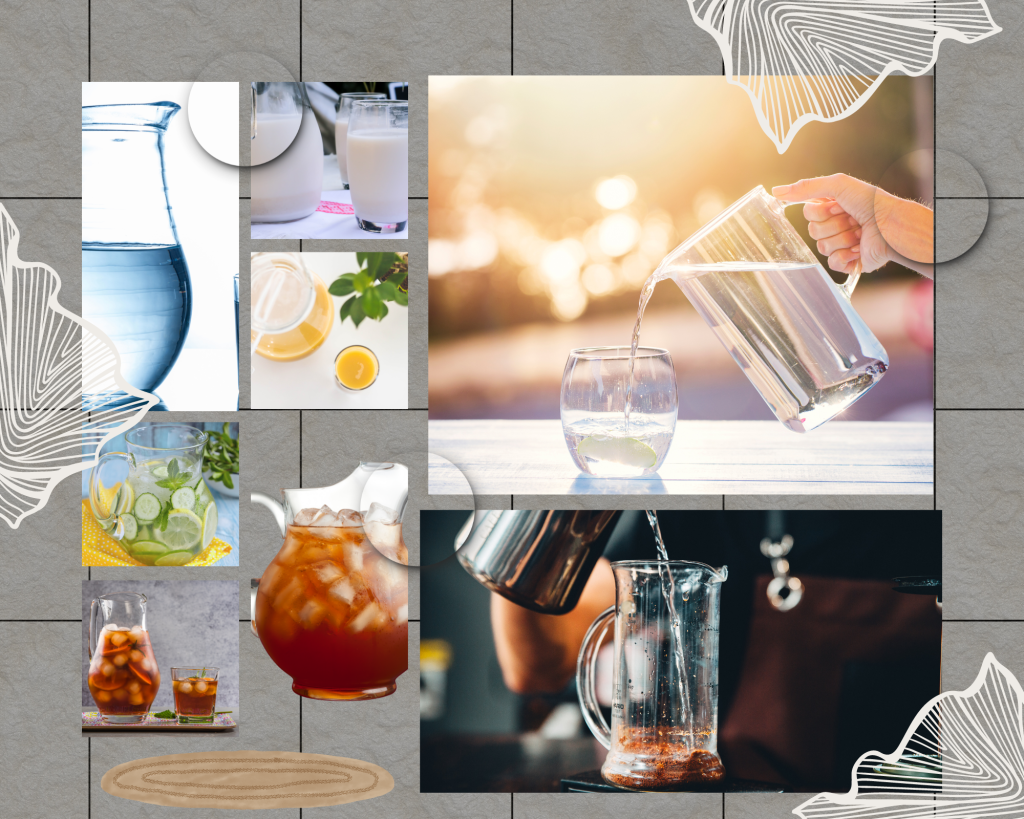
A vessel wrought of glass, endowed with a handle and a spout, aptly dubbed a glass pitcher, serves as a quintessential means of pouring fluids, typically potable liquids, such as water or other beverages. The glass pitcher is a ubiquitous sight at dining tables, being employed to facilitate the serving of drinks to guests or family members.
Elegance, a state of being that embodies refinement and grace, in the quotidian sphere alludes to the ability to comport oneself with poise and sophistication, exuding an aura of tastefulness in manner, action, and environment. In essence, it is the art of presenting oneself and one’s surroundings in an impeccable, polished manner, the benefits of which redound in both personal and professional realms. To cultivate an elegant lifestyle is to instill a sense of pride and assurance, as well as engendering an indelible impression upon one’s peers.
The significance of elegance in day-to-day life resides in its capacity to elevate and embellish the mundane, transforming the humdrum into an occasion. Be it the adornment of formal attire for business or hosting a convivial gathering, the infusion of elegance serves as a catalyst, lending an aura of importance and significance to the occasion. Furthermore, it kindles an appreciation for the finer things in life, serving as a conduit for mindfulness and enabling an enriched, more fulfilling lifestyle. Lastly, by incorporating elegance into our everyday routine, we refine our social skills, amplify our self-assurance, and engender a more pleasurable existence.
The history of glass pitchers dates back to ancient civilizations such as the Romans and the Greeks. These early glass pitchers were often made by blowing glass into molds or shaping the glass by hand. Glass pitchers were prized for their transparency, which allowed people to see the liquid inside, and their ability to be decorated with intricate designs.
During the Middle Ages, glass pitchers became more widely used for serving drinks, and their design evolved to include more elaborate shapes and decorative features. Glass pitchers also became more affordable and accessible as glassmaking techniques improved, allowing for mass production.
In the 19th century, glass pitchers became even more popular as the demand for glassware increased with the rise of the middle class. Glass pitchers were often made in sets with matching glasses, and their designs became more ornate and decorative, featuring etched or engraved patterns.
Today, glass pitchers are still widely used for serving drinks, and they come in a variety of shapes, sizes, and styles. Modern glass pitchers are often made with machine-manufacturing techniques, which allow for consistent quality and affordability.
The cultural significance of glass pitchers varies depending on the region and the context. In some cultures, glass pitchers are used for religious ceremonies, such as the Jewish Kiddush ceremony, where a glass pitcher is used to pour wine. In other cultures, glass pitchers are used for everyday use, and they may be passed down as family heirlooms. Glass pitchers can also be used as decorative objects, and they are often displayed in homes as a sign of hospitality and good taste.
Overall, glass pitchers have played an important role in the history of glassware, and they continue to be a popular and versatile tool for serving drinks and adding elegance to any occasion.
Glass pitchers come in a variety of types and styles, each with its own unique design and purpose. Here are some of the most common types of glass pitchers:
Classic glass pitchers: These pitchers have a timeless and traditional design, often featuring a simple shape with a handle and spout. Classic glass pitchers are versatile and can be used for serving a variety of beverages, from water to iced tea.
Modern glass pitchers: These pitchers have a contemporary and sleek design, often featuring a minimalist shape and clean lines. Modern glass pitchers are ideal for serving trendy drinks, such as craft cocktails or infused waters.
Specialty glass pitchers: These pitchers are designed for specific uses, such as serving sangria or lemonade. Specialty glass pitchers may have unique features, such as a built-in fruit infuser or a removable ice chamber.
Art glass pitchers: These pitchers are handmade and often feature intricate designs and colorful patterns. Art glass pitchers are prized for their beauty and are often used as decorative objects or for special occasions.
Vintage glass pitchers: These pitchers are typically from a bygone era and have a unique charm and character. Vintage glass pitchers may be used for serving drinks, but they are also prized as collectibles.
Behold, bespoke glass pitchers, embellished with the moniker, emblem or emblematic insignia of your choosing, proffer an unparalleled gift for momentous milestones such as weddings, anniversaries, or any other noteworthy occasion.
In the grand scheme of things, glass pitchers unfurl in an abundance of variations and fashions, each distinguished by its unique attributes and purpose. Whether one’s predilections veer towards the timeless elegance of classical forms or the contemporary allure of modernistic designs, a cornucopia of glass pitchers awaits, befitting of every individual’s discerning tastes and preferences.
The ancient and revered art of glass pitcher making is a nuanced and intricate process, which blends traditional glassblowing techniques with cutting-edge technology. A cursory glance at this discipline reveals some key elements of this craft:
Glassblowing techniques: Typically, glass pitchers are shaped using the method of free-blowing. This involves first heating a globule of molten glass on a blowpipe and then employing breath to inflate it into a hollow, bulbous shape. Skilled artisans utilize a myriad of tools, including shears, paddles, and jacks, to meticulously manipulate the glass into the desired shape. More elaborate designs may necessitate the use of molds or supplementary techniques for further sculpting.
Importance of craftsmanship: The craft of glass pitcher making is a sophisticated and intricate trade that demands years of arduous training and accumulated expertise to attain mastery. Accomplished glassblowers must possess a comprehensive understanding of the properties of glass and its conduct under diverse circumstances. They must also possess an acute eye for precision and detail, and be adept at working rapidly and with consummate efficiency to produce a product of the highest caliber.
The role of technology: While many elements of glass pitcher making are still accomplished by hand, modern technology has become a crucial cog in this process. Computer-aided design (CAD) software empowers designers to create complex and intricate designs with unparalleled accuracy. Automated glassmaking machines facilitate the rapid and efficient production of large numbers of identical pitchers.
Quality control: Regardless of whether glass pitchers are produced by hand or machine, they must undergo a rigorous quality control process to ensure that they adhere to the most exacting standards of safety and quality. This may necessitate scrutinizing each pitcher for any flaws or defects, administering stress tests to ensure it can endure regular use, and testing it for the presence of lead or other hazardous materials.
In conclusion, the art of glass pitcher making is a multifaceted and intricate process that blends the time-honored techniques of traditional craftsmanship with cutting-edge technological innovations. Whether produced by hand or machine, glass pitchers are revered for their exquisite beauty, elegance, and functionality. They remain a cherished and indispensable component of many households and restaurants across the world.
Glass pitchers are a versatile and utilitarian object that find employment across a broad array of applications. Here are some of the most frequent uses of these vessels:
Serving water: Glass pitchers remain a timeless choice for presenting water at the dining table. They can be filled with ice to keep the water refreshingly cool, and frequently possess a spout for facile pouring.
Serving juice: Glass pitchers are also a favored option for dispensing freshly squeezed juice during breakfast or brunch. They can be used to hold a variety of juices, including orange, grapefruit, or one’s preferred fruit blend.
Serving cocktails: Glass pitchers are adaptable vessels that can be utilized for blending and pouring cocktails such as sangria, margaritas, or mojitos. Often, these pitchers are designed with a sizeable capacity to enable multiple servings.
Displaying flowers: Glass pitchers are also a delightful decorative item for showcasing flowers. They can be filled with water to preserve freshly cut blooms or even employed to contain dried flowers and botanicals.
Overall, glass pitchers are an adaptable and versatile object that finds application in a myriad of ways. Whether utilized for dispensing water, juice, cocktails, or displaying floral arrangements, they serve as an indispensable element of any household or eatery.
 Hey Singapore