
Discover the intricate world of glass mug manufacturing with our comprehensive guide. Explore processes, techniques, and challenges in exquisite detail.
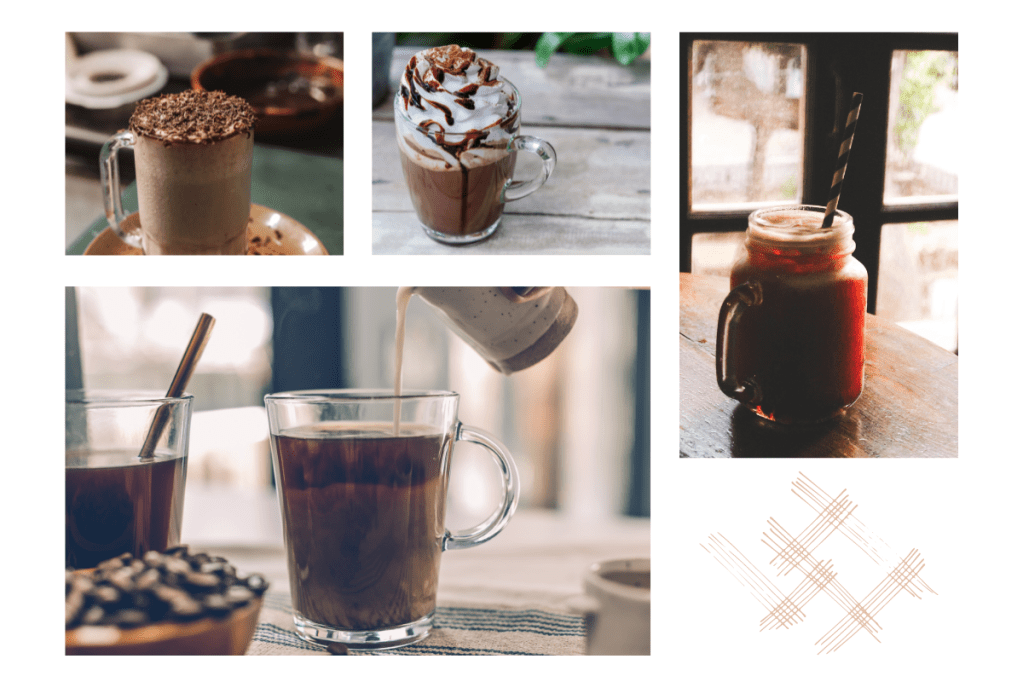
The Aesthetics of Glass Mugs: Beauty, Style, and Symbolism
Glass mugs are much more than functional drinkware; they are objects of aesthetic value and symbolic significance. The aesthetic value of glass mugs is based on their form, size, color, transparency, and texture. All of these parts working together give the user an unforgettable adventure, full of varied sensations and impressions. This article delves at how the visual appeal of glass mugs affects our perception.
The aesthetic value of glass mugs depends on their individual characteristics, such as their form, size, color, and texture. Glass mugs range in form from the straightforward cylinder to more intricate artistic forms. Glass mugs can vary in attractiveness depending on their size, with larger mugs typically being more eye-catching and imposing. The beauty of glass mugs also depends on their hue, with clear and colorful glass producing contrasting visual impacts. Glass with a frosted or etched surface has a more understated and elegant appearance.
The form and function of glass mugs are inextricably intertwined, making their appearance an integral part of their overall appeal. Glass mugs come in a wide variety of styles, from minimalist to ornate, practical to ornamental. Glass mugs come in a variety of designs that can express a variety of feelings and attitudes, from sophistication and playfulness to austerity and minimalism. Cultural and historical contexts can also play a role in shaping a glass mug’s design, as many eras and places have developed their own distinct tastes in aesthetics.
Glass mugs, like any other object, can hold value and symbolism on many levels, from the individual to the cultural. Glass’s see-through quality can stand in for forthrightness, while its brittleness might indicate life’s impermanence. In some cultures, the shape and color of the glass mug serve as significant components of a ritual or ceremonial, such as in the Japanese tea ceremony.
From Sand to Silica: Raw Materials and Their Preparation
Glass has been used for a wide variety of purposes, including windows, lenses, and tableware, for thousands of years. Crystalline silica, extracted from sand, is glass’s principal raw material. This article delves into how silica is extracted from sand and the various techniques used to refine the raw material for the glass industry.
Sand, or silica, a chemical combination of silicon and oxygen, is used as a key raw material in the production of glass. Glass’s color, transparency, and strength can all be negatively impacted by the presence of contaminants in the sand used to make it. A white, fine-grained, and (ideally) iron- and alumina-free sand is appropriate for the glassmaking process.
Several methods of preparation are used in the transformation from sand to silica, with the choice depending on the required level of purity and quality. The sand is typically washed with water and screened to eliminate contaminants in a process known as washing and screening. Chemicals are added to the sand in a process called froth flotation, which isolates the silica from the other minerals. Similarly, acid leaching can be used to dissolve contaminants in the sand and flush them away.
The quality and purity of the raw material used in glassmaking is important since it can alter the qualities of the finished product. There are several ways to prepare sand for silica extraction, and the one used depends on the final product’s required degree of purity and quality. Having a firm grasp on how to properly prepare raw materials is crucial for manufacturing high-quality glass products that can suit the needs of numerous sectors.
Glassblowing and Glass Forming Techniques: Handmade vs Automated
Molding molten glass into various shapes, such as vases, bowls, and drinking glasses, is the domain of glassblowing and glass forming techniques. Handmade and automated glass forming are the two main methods, each with their own benefits and drawbacks. In this post, we’ll look at how glass is formed both by hand and by machine.
Traditional glassblowing, often known as “handmade glassblowing,” involves experienced artists molding molten glass using blowpipes and other equipment. The skill of the glassblower and the material’s inherent irregularities combine to give handmade glass its distinctive look and feel. Since it takes more time and talent to make handmade glass, the price can be higher than that of machine-made glass.
Today’s most advanced glass factories employ automated glass forming equipment to mould molten glass into a wide variety of shapes. Since machines can reliably make nearly identical glassware, it has gained a reputation for precision and uniformity. Given that it takes less time and skill to create automated glass, it can be more cost-effective than handcrafted glass.
Glass can be formed by hand or by machine, depending on the final product you want, your available resources, and how quickly you need it. While automated glass production is better suited to mass production and commercial uses, handmade glass is best for creating one-of-a-kind creative items. Glass manufactured by hand is more time-consuming and difficult to replicate than glass made by machine. Glass goods of varying complexity and complexity levels require both manual and automated glass forming processes, each of which has advantages and disadvantages specific to the product type.
Surface Treatment and Decoration of Glass Mugs: Etching, Engraving, and More
The aesthetic value of glass mugs depends heavily on the surface treatment and ornamentation, and there are a variety of methods available for achieving this goal. Surface treatments and decorations like etching, engraving, painting, and decal application are frequently employed in the creation of glass mugs. The many methods of surface treatment and decorating used in the manufacturing of glass mugs are discussed in this article.
Etching is a process that uses acid or abrasive materials to leave a matte finish on the surface of the glass. Etching a glass surface entails first masking it, then exposing the portions to be etched with acid or abrasive materials. With the process of etching, elaborate patterns and designs can be etched into the surface of the glass, giving it a one-of-a-kind and high-end appearance.
Diamond points are used in the engraving process to cut intricate motifs onto the surface of the glass. A more refined and sophisticated look can be achieved by engraving intricate motifs into the surface of the glass. Because of their great quality and beauty, engraved glass mugs are frequently used for special events or given as gifts.
Glass can be decorated by applying paint or decals to the surface in the form of designs or patterns. Glass can be painted with bright colors, while decals can be applied to make elaborate patterns. These processes are versatile enough to make unique patterns and artwork for a wide variety of glass mug goods.
Glass mugs’ surface treatment and decoration techniques contribute significantly to their visual appeal by allowing designers to create one-of-a-kind and elegant patterns and designs. Common methods for decorating glass mugs include etching, engraving, painting, and applying decals, each of which has its own set of benefits and drawbacks. Producing high-quality glass mugs that fulfill the expectations of diverse sectors and customers requires an understanding of the various surface treatment and decoration procedures.
Quality Control and Testing Methods in Glass Mug Manufacturing
Producing safe, long-lasting, and aesthetically pleasing glass mugs relies heavily on stringent quality control and testing procedures. Checking each stage of manufacturing, from raw materials to completed goods, for conformance to standards is what quality control is all about. Quality, safety, and longevity can all be determined by thorough testing. This article provides an in-depth analysis of the many procedures utilized in the production of glass mugs to ensure high quality.
To ensure that the raw materials used in the production of glass mugs are of the requisite quality and purity, the first stage of quality control is testing of these components. Raw material quality can be assured through testing that examines its chemical make-up, physical characteristics, and impurity levels against predetermined benchmarks. The examination of raw materials aids in the elimination of flaws and the maintenance of product uniformity.
Continuously checking off each manufacturing procedure to make sure it’s up to par is what’s known as “production process monitoring.” The production of the glass mugs is monitored to verify that the required temperature, pressure, and time parameters are met at each stage. Defects can be reduced or eliminated altogether and product uniformity can be guaranteed by keeping an eye on the production process.
Testing the final product ensures that the glass mugs are of adequate quality, safety, and durability to be sold to the public. Temperature resistance, impact resistance, and chemical stability are just few of the qualities that can be tested. For peace of mind that these glass mugs are fit for their intended purpose and pose no health risks to the user, final product testing is conducted.
Emerging Trends and Innovations in Glass Mug Production: 3D Printing and Nanotechnology
The manufacturing sector is being revolutionized by new technologies and practices in glass mug manufacturing, which are opening up exciting prospects for improved product personalization, productivity, and quality. Two of the most promising new developments in the industry are 3D printing and nanotechnology, which together will allow for the mass production of glass mugs with novel shapes, sizes, and qualities. The possibilities of using 3D printing and nanotechnology in the manufacturing of glass mugs are discussed.
Using a digital model as a guide, the new technology of 3D printing can create nearly any shape or form in three dimensions. Glass mugs may now be personalized in ways that were previously inconceivable, thanks to the advent of 3D printing technology, which enables the creation of intricate shapes and patterns. Since 3D printing eliminates the need for skilled labor and expensive machinery, it can help streamline the manufacturing process and save costs for glass mugs.
With the help of nanotechnology, which allows for the manipulation of matter on a molecular or atomic scale, novel possibilities for the design of glass mugs with interesting qualities and characteristics have opened up. Glass mugs strengthened with nanotechnology are resistant to scratches and impacts, making them useful in many contexts. Furthermore, glass mugs with novel aesthetic qualities, such as color-changing or light-emitting properties, can be manufactured using nanotechnology.
3D printing and nanotechnology are just two examples of the emerging trends and breakthroughs that are reshaping the glass mug manufacturing business and opening up new possibilities for improved customization, efficiency, and quality. Manufacturers that want to remain competitive and meet the needs of a wide range of industries and customers must get an understanding of the potential of these technologies. Although these technologies are still in their infancy, they have the potential to significantly alter the manufacture of glass mugs, opening up exciting new avenues for the development of high-quality mugs with novel aesthetics and functional characteristics.
 Hey Singapore