
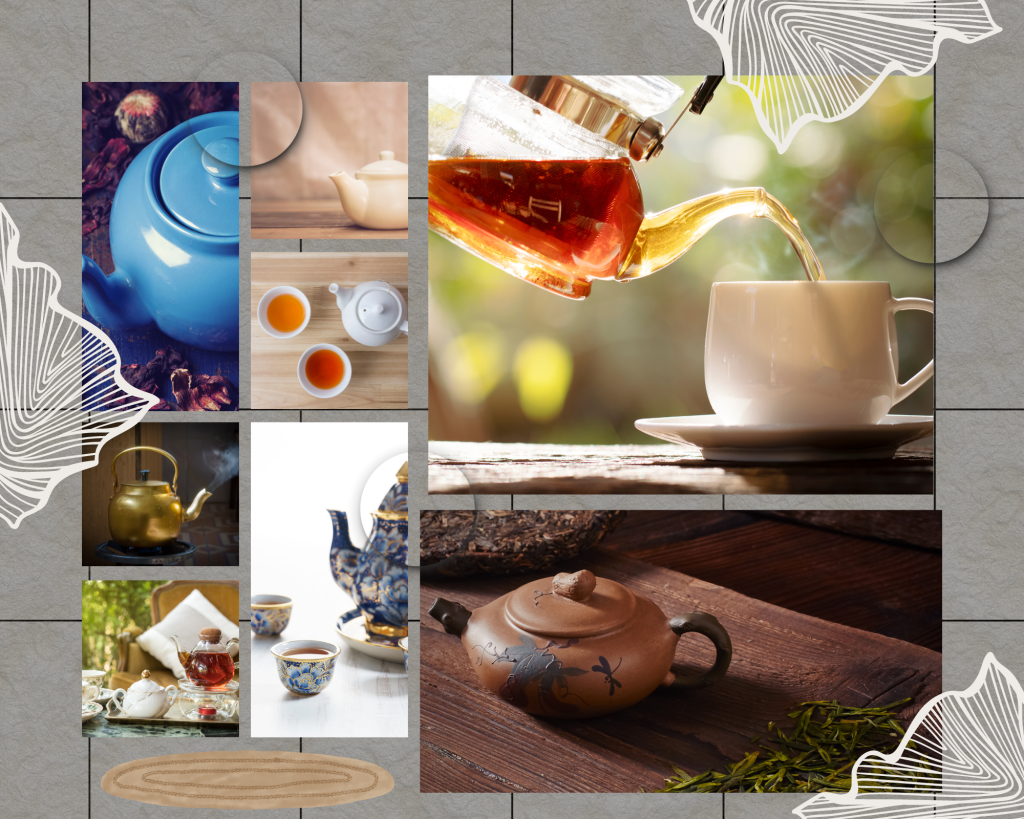
Definition of Tea Pot:
A tea pot is a vessel used for brewing and serving tea. It typically has a spout for pouring and a handle for holding, and may be made from a variety of materials, including ceramic, porcelain, glass, or metal. Tea pots often come with a lid, which helps to retain heat and prevent spills.
Importance of Tea Pot in Tea Culture:
Tea pots are an important part of tea culture around the world. They are not only functional, but also serve as a form of art and expression. Different cultures have their own styles of tea pots, which can vary in shape, size, and decoration. For example, Chinese tea pots are often small and made from clay, with intricate designs that reflect the cultural heritage of the region. Japanese tea pots, on the other hand, are typically made from porcelain or stoneware, and are often simple and elegant in design.
In addition to their aesthetic value, tea pots also play a practical role in the brewing of tea. They allow for the proper infusion of tea leaves and water, and help to control the temperature and strength of the brew. Some tea pots are even designed for specific types of tea, such as those used for brewing loose-leaf tea or traditional Chinese tea.
Purpose of the Article:
The purpose of this article is to provide an overview of the tea pot, its importance in tea culture, and its role in the brewing of tea. By understanding the history and significance of the tea pot, readers can gain a deeper appreciation for this important tool and its place in the world of tea.
The Origin of Tea Pot:
The origins of the tea pot are somewhat unclear, as there is no definitive historical record of its invention. However, it is believed that the first tea pots were developed in China during the Ming Dynasty (1368-1644), where tea drinking was an integral part of daily life. The early tea pots were made from clay and were small in size, designed for individual servings of tea.
Development of Tea Pot over the years:
Over time, tea pots evolved and became more sophisticated in their design and functionality. During the Qing Dynasty (1644-1912), porcelain tea pots became popular, and their production was highly refined, with intricate designs and patterns. In the 18th century, tea drinking became popular in Europe, and tea pots began to be produced in a wider range of materials, such as silver, pewter, and glass. With the advent of the Industrial Revolution, tea pots became more widely available and affordable, and were produced in larger quantities.
In the modern era, tea pots continue to evolve, with designers experimenting with new materials, shapes, and styles. Some tea pots are designed with built-in strainers or infusers, while others are made to be used with tea bags. There are also tea pots designed for specific types of tea, such as those used for brewing Chinese green tea.
Tea Pot in different cultures:
Tea pots have played an important role in tea cultures around the world. In addition to the Chinese and European tea pots mentioned above, there are also unique tea pot styles in other cultures. For example, in Japan, there is the kyusu, a small teapot used for brewing Japanese green tea. The kyusu typically has a side handle and a mesh strainer built into the spout. In Morocco, tea is traditionally brewed in a teapot called a tetsubin, which is made from cast iron and has a decorative enamel coating. In Russia, tea is often served from a metal samovar, which is used to heat and dispense the tea.
Overall, the tea pot has a rich and varied history, and continues to be an important part of tea culture around the world. From its humble beginnings in ancient China, to its modern incarnations, the tea pot remains an essential tool for brewing and serving tea.
The Anatomy of Tea Pot:
Tea pots may have a variety of designs, but they generally consist of the following parts:
Lid: The lid is used to cover the opening at the top of the tea pot. It helps to retain heat and prevent spills.
Spout: The spout is a small opening at the front of the tea pot through which the brewed tea is poured.
Handle: The handle is used to hold and pour the tea pot. It is typically located opposite the spout.
Body: The body of the tea pot is the main part that holds the tea leaves and hot water during brewing.
Materials used in Making Tea Pots:
Tea pots can be made from a variety of materials, each with their own advantages and disadvantages. Common materials used in making tea pots include:
Ceramic: Ceramic tea pots are popular because they are affordable, durable, and can be decorated with intricate designs.
Glass: Glass tea pots allow the tea drinker to see the tea leaves as they steep and provide an elegant visual appeal.
Metal: Metal tea pots, such as those made from stainless steel or copper, are durable and can retain heat well.
Porcelain: Porcelain tea pots are lightweight and delicate, often decorated with intricate designs.
Importance of Design in Tea Pots:
Design plays an important role in the functionality and aesthetic appeal of tea pots. A well-designed tea pot should be easy to handle, pour, and clean. The size and shape of the tea pot can also affect the brewing process, as a wider or narrower opening can influence the infusion of the tea leaves.
In addition to functionality, design is also important in the aesthetics of the tea pot. Many tea pots are decorated with intricate designs, patterns, or colors, which can reflect the culture or artistic style of the tea pot maker. A well-designed tea pot can enhance the overall tea-drinking experience, and can even become a work of art in its own right.
Types of Tea Pots:
Tea pots come in a variety of types, from traditional to modern, and from practical to whimsical. Here are some common types of tea pots:
Traditional Tea Pots:
Traditional tea pots are often made from materials such as ceramic, porcelain, or clay, and are often decorated with intricate designs or patterns. They may have a more classic, timeless design, and are often used in formal tea ceremonies or special occasions.
Modern Tea Pots:
Modern tea pots are often made from materials such as glass or stainless steel, and may have a sleek, minimalist design. They may also incorporate modern features such as built-in infusers or strainers.
Unique and Unusual Tea Pots:
Some tea pots are designed to be more unique or unusual, incorporating unusual materials or shapes. For example, there are tea pots made from bamboo, glass blown into intricate shapes, or even teapots that resemble animals or other objects.
Infuser Tea Pots:
Infuser tea pots are designed with a built-in strainer or infuser, which allows for loose tea leaves to be placed directly into the tea pot without the need for a separate strainer. This makes it easier to brew loose tea and provides a more convenient way to enjoy tea without having to worry about removing the tea leaves.
Electric Tea Pots:
Electric tea pots are designed to quickly and easily boil water for tea, making them a convenient choice for busy tea drinkers. They may also have additional features such as temperature control, automatic shut-off, or even a timer.
Overall, there are many different types of tea pots to choose from, each with their own unique features and styles. Whether you prefer a classic traditional design, a sleek modern look, or something more unusual or whimsical, there is sure to be a tea pot out there that fits your tastes and preferences.
Tea Pots in Different Cultures:
Tea is a beloved beverage enjoyed all over the world, and different cultures have developed their own unique styles of tea pots to brew and serve tea. Here are some examples of tea pots in different cultures:
Chinese Tea Pots:
In China, tea pots are often made from clay, and may have intricate designs or patterns. Chinese tea pots are typically small and are designed to brew tea leaves multiple times, with each infusion having a slightly different flavor. Chinese tea ceremonies are steeped in tradition and ritual, and the tea pot is an important part of this cultural practice.
Japanese Tea Pots:
Japanese tea pots, also known as kyusu, are often made from ceramic or cast iron and are typically small and unassuming in design. Japanese tea ceremonies are also steeped in tradition and ritual, and the tea pot is an important part of this cultural practice. In Japan, tea is often served with small snacks or sweets, and the tea pot may be designed to coordinate with the overall aesthetic of the tea ceremony.
Indian Tea Pots:
In India, tea pots are often made from materials such as brass or silver, and may be decorated with intricate patterns or designs. Indian tea pots are often larger and are designed to serve multiple people at once, as tea is often served as a social activity. Indian chai tea is a popular beverage, and the tea pot is an important part of the brewing and serving process.
British Tea Pots:
In the UK, tea is often associated with the traditional British afternoon tea, and tea pots are an essential part of this cultural practice. British tea pots are typically made from materials such as ceramic or bone china and may have a more ornate design. British tea pots are often larger and may have a built-in strainer to help prevent tea leaves from getting into the cup.
Overall, tea pots are an important part of tea culture around the world, and each culture has developed its own unique style of tea pot to reflect its cultural values and traditions.
 Hey Singapore