
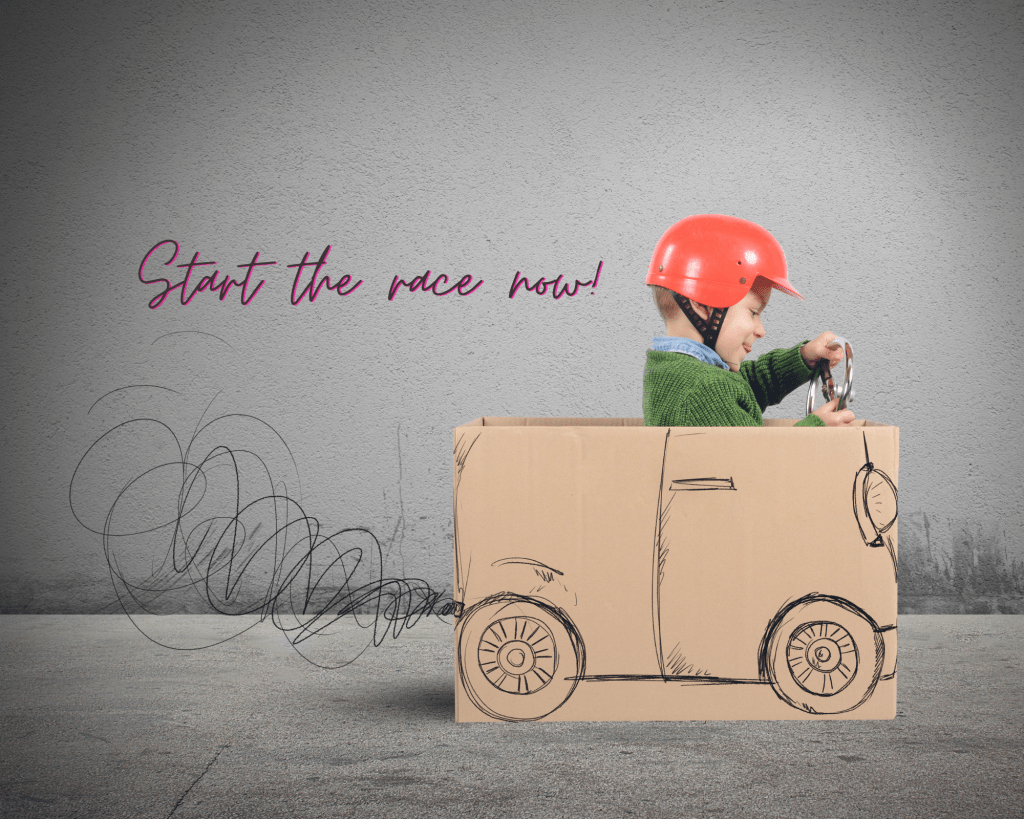
Kids have shown a growing interest in cardboard cars in recent years. These vehicles give kids a special and enjoyable chance to express their ideas while also instilling in them an appreciation for sustainability and environmental friendliness.
As an eco-friendly alternative to traditional toy vehicles, which are frequently made of plastic or metal, cardboard cars are available. Because there are so many ready-made templates and online tutorials that parents and kids can utilize, they are easy to make.
A cardboard car for kids is an imaginative and fun way to teach youngsters about sustainability while also encouraging their creativity and imagination. Adopting this unique and environmentally friendly toy will provide parents and kids with a happy and rewarding experience that promotes learning and environmental responsibility.
Here are detailed directions for constructing a cardboard car:
Materials:
Big cardboard piece
Scissors
Marker or a pencil
Ruler
Paint or markers are used to decorate (optional)
Cardboard tubes or paper plates as wheels (optional)
Instructions:
Start by creating the basic outline of your car on the cardboard. Any form will do, but a rectangle with a pointed front and back works nicely for a classic car. Use a ruler to establish straight lines and preserve proportionate balance.
Cut off the shape of the car with scissors. Make sure to cut gradually and as near the lines as you can.
Using a pencil or marker, add details like windows, doors, and a steering wheel. Also, you are free to add any decorations you choose, including headlights and taillights.
Cut the specifics out using scissors. Remember to absolutely avoid cutting and pay attention to the lines.
Make wheels for your car out of cardboard tubes or paper plates. Create four circles out of the paper plates or boxes, and then use glue or tape to affix them to the car’s underside.
Your car can be painted or decorated with paint, stickers, or other craft supplies.
Let your cardboard car to thoroughly dry before using it.
With the aid of these instructions, you can build a simple cardboard car that is great for imaginative play and role-playing. Keep an eye on the children while working on a project, and stay away from any sharp edges or hazardous materials.
DIY Cardboard Car Ideas
Create a classic car with a rectangular body, a pointed front, and a pointed back, with round headlights.
Racing Car: Design a low-profile, sporty race car with a spoiler and a long hood. Add numerals or racing stripes for added complexity.
Build a sturdy structure, a monster car with sizable wheels, and a higher chassis for your monster truck. Add flames or other ornaments for a finishing touch.
Construct an ice cream truck with a boxy body, a rounded roof, and eye-catching ornaments. Use cups or paper plates to create wheels.
Convertible: Construct a vehicle with a long, slim body, an open top, and this feature. to provide further detail, such as seats and a steering wheel.
Fire Truck: Build a ladder-topped, siren-equipped fire truck and paint it a striking shade of red. Use cups or paper plates to create wheels.
Build a police vehicle with a siren, black and white stripes, and a badge on the door. to provide further detail, such as seats and a steering wheel.
With these simple cardboard vehicle crafts, you can promote sustainability and eco-friendliness while also fostering your child’s imagination and creativity. Encourage your child to experiment with different designs and accents while keeping fun in mind!
Benefits of Playing with Cardboard Cars
Due to the fact that kids must come up with their own design and embellish it, making a cardboard car demands a lot of talent. By doing this, you can encourage children to think in imaginative and creative ways.
Problem-solving skills: In order to construct and operate a cardboard car, kids must apply their problem-solving skills. This can help kids develop their critical thinking and problem-solving skills.
Cutting and folding cardboard requires good hand-eye coordination and fine motor skills. As they work on their cardboard automobiles, children may improve their hand-eye coordination and physical dexterity.
Environmental awareness: Since cardboard toys are created from recycled materials, they are a better option for the environment than traditional toy cars made of plastic or metal. By using cardboard cars, kids may learn the concept of sustainability and reduce their environmental impact.
A cardboard automobile demands physical effort to play with because kids can push or ride in it. This promotes physical activity and might be a fun way to get youngsters moving and active.
Building cardboard vehicles may be an imaginative, enjoyable, and physically demanding hobby that promotes creativity, problem-solving, environmental awareness, and physical activity. It’s a wonderful chance for kids to learn and grow while still having fun and taking part in something useful.
Children’s cardboard cars are unique and environmentally beneficial toys since they offer so many features. Some of the main uses are as follows:
An environmentally responsible alternative to traditional toy cars made of plastic or metal is cardboard cars, which are constructed from recycled materials. By using cardboard cars, children may learn about sustainability and reduce their impact on the environment.
Cost-effective: Cardboard vehicles are inexpensive toys because they are simple to assemble at home and are made of inexpensive materials. As a result, more families, regardless of income level, may access them.
Children can use their imagination and creativity to personalize and embellish cardboard cars, which promotes these qualities in children. They can use paint, markers, stickers, or other materials to customize the car to their interests.
Building a cardboard car requires kids to use their problem-solving skills as they must find out how to get the car moving. This can foster in kids the ability to think critically and solve problems.
Little children can push or ride in a cardboard car as they play, which requires them to move physically. This can be a fun way to get kids active and moving while also encouraging physical fitness.
All things considered, cardboard cars for kids offer a unique and environmentally responsible toy choice that fosters creativity, analytical thinking, and environmental awareness while also being inexpensive and fun.
Safety Tips
A collection of guidelines called safety advice is meant to help against a variety of situations and prevent accidents or injuries. When playing with and building cardboard cars, the following safety recommendations may be helpful:
Children should always be under adult supervision when making and playing with cardboard cars, especially if they use scissors or other sharp things.
Tools that are suitable: Among other tools, make sure you provide children with non-toxic, child-safe glue and child-safe scissors.
Choose robust cardboard that doesn’t have any exposed or sharp edges that could cut you when building the car out of cardboard.
Particularly if you have young children, stay away from employing tiny pieces or objects that could choke them.
Sun protection: To avoid sunburn when playing with the cardboard car outside, use sunscreen and wear protective clothing.
Safe play area: Choose a location that is both open and safe, with no sharp objects or obstacles close by.
Instead of play fighting, encourage gentle, safe play to avoid accidents and injury.
By following these safety guidelines, kids can safely participate in the exciting and educational experience of creating and playing with cardboard vehicles. Safety must come first in order to ensure that children have a wonderful time and to prevent any potential accidents or injuries.
Making cardboard vehicles is a fun activity for youngsters that is also good for the environment. Making and using these toys can promote creativity, the growth of fine motor skills, sustainability, and possibilities for closeness with family and friends.
Always put safety first when making and playing with cardboard automobiles. Children must also be properly observed to prevent any potential accidents or injuries. By promoting environmental awareness and supporting sustainable initiatives, we can help the planet and its people create a better future.
Making cardboard vehicles is, all in all, a pleasant and simple activity that benefits kids in many ways and promotes environmental awareness and eco-friendliness. It is a great way to engage children in imaginative and educational play while simultaneously educating them about sustainability and responsibility.
 Hey Singapore