
The Peranakan culture is a marvel of cross-cultural exchange and assimilation. Its distinct blend of Chinese, Malay, and other Southeast Asian influences is a testament to the power of cultural exchange and intermingling. The culture has flourished in Singapore, Malaysia, and Indonesia, where it is celebrated and cherished as a treasured part of the nation’s heritage. The Peranakan theme is an essential aspect of the region’s rich cultural tapestry, embodying the diverse roots of the populace and reflecting the unique historical and social contexts of the region. One of the most fascinating aspects of the Peranakan culture is its exquisite cuisine, which is renowned for its distinctive blend of flavors and techniques. Peranakan plates are a true reflection of the culture’s cross-cultural heritage, incorporating elements of Chinese, Malay, and European cuisine. These dishes are characterized by their bold and complex flavors, which are often achieved through the use of exotic herbs and spices, such as lemongrass, turmeric, and galangal. Peranakan cuisine is a culinary masterpiece that has evolved over centuries and continues to evolve today, reflecting the changing tastes and preferences of the region’s people.
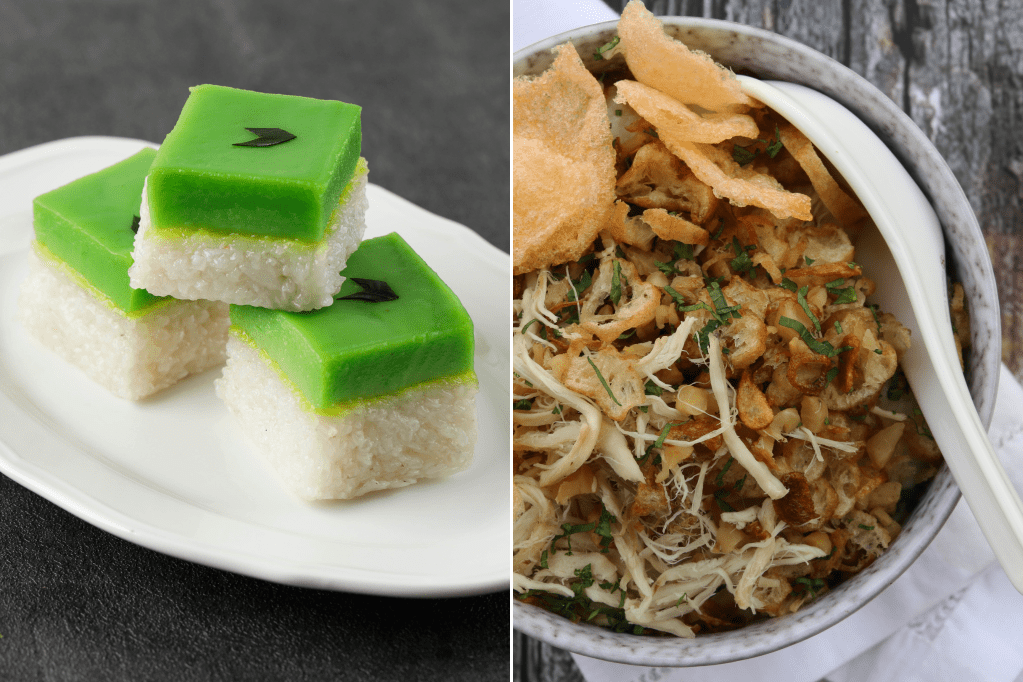
Beyond its cuisine, the Peranakan culture is also renowned for its vibrant art, music, and dance traditions. Peranakan plates are a testament to the region’s rich artistic legacy, featuring intricate designs and patterns that reflect the culture’s diverse influences. Peranakan music and dance are similarly diverse, incorporating elements of Chinese, Malay, and European traditions. These art forms are a vital part of the region’s cultural heritage and are celebrated and cherished by Peranakan communities around the world.
Preserving the Peranakan culture is essential to maintaining the region’s cultural heritage and promoting a more tolerant and diverse world. Efforts to preserve the culture are ongoing and include initiatives such as cultural festivals, art exhibitions, and educational programs. Peranakan plates are a vital part of this effort, as they serve as a tangible reminder of the culture’s cross-cultural heritage and offer a glimpse into the region’s rich culinary history. By preserving the Peranakan culture and its unique customs and traditions, we can celebrate the rich diversity of the human experience and promote greater understanding and appreciation for the many cultures that make up our world.
- The History of Peranakan Culture
Peranakan culture is entrenched in a long and opulent chronicle dating back to the 15th century, when Chinese traders settled in Southeast Asia. Over time, they intermarried with the local Malay women and assimilated many of their customs and traditions. This amalgamation of cultures engendered the Peranakan culture, renowned for its exceptional customs, language, and cuisine.
- Peranakan Cuisine
Peranakan cuisine is illustrious for its pungent and intricate flavors, a culmination of the fusion of Chinese and Malay culinary traditions. Peranakan plates are a myriad of colors and feature a diverse assortment of ingredients such as seafood, meats, vegetables, and herbs. Some popular dishes encompass ayam buah keluak, laksa, and otak-otak.
- Peranakan Fashion
Peranakan fashion is famed for its intricate designs and vibrant hues. The conventional attire worn by Peranakan women, known as kebaya, is adorned with exquisite embroidery and beadwork. Men traditionally don baju lokchuan, a silk shirt, and trousers.
- Peranakan Architecture
Peranakan architecture is distinctive and showcases a blend of Chinese and European influences. Peranakan plates are adorned with opulent ceramic tile work, intricate carvings, and vivid motifs. The shophouses in Singapore and Malaysia are an excellent instance of Peranakan architecture.
- Peranakan Art
Peranakan art is a unique blend of Chinese, Malay, and European styles, reflecting the diverse cultural heritage of the Peranakan people. Peranakan plates are one of the most recognizable examples of Peranakan art, featuring intricate and colorful designs that showcase the Peranakan art style. Peranakan art includes a variety of forms, such as textiles, ceramics, woodcarvings, and silverwork. Batik, a type of fabric design, is a popular form of Peranakan textile art. Peranakan ceramics, which include plates, bowls, and jars, are often decorated with bright colors and intricate patterns. Peranakan woodcarvings are typically used to decorate furniture and architectural features, and feature intricate motifs such as dragons and phoenixes.
- Peranakan Music and Dance
Peranakan music and dance are an important part of the Peranakan cultural tradition. Peranakan music is a blend of Chinese and Malay styles, and includes instruments such as the erhu (a two-stringed Chinese violin), the kompang (a type of Malay drum), and the angklung (a bamboo instrument). Peranakan dance is also a blend of Chinese and Malay styles, and often features intricate movements and colorful costumes. The most famous Peranakan dance is the Joget, a Malay dance that is performed with lively music and energetic movements.
- Peranakan Festivals and Celebrations\
Peranakan festivals and celebrations are a colorful and vibrant reflection of the culture’s rich history and traditions. One of the most important Peranakan festivals is the Chinese New Year, which is celebrated with feasting, fireworks, and the exchange of red envelopes filled with money. Another important Peranakan celebration is the Peranakan wedding, which is known for its elaborate ceremonies and colorful traditional attire. The wedding is often held over several days, and includes a range of rituals and ceremonies that symbolize the couple’s union.
- Peranakan Language
Peranakan language is a unique blend of Chinese, Malay, and other local languages. It is often spoken by the Peranakan community as a way of preserving their cultural heritage. Peranakan language is different from other languages in that it incorporates elements of Chinese and Malay grammar and vocabulary.
- Peranakan Beliefs and Values
Peranakan beliefs and values are shaped by the culture’s unique blend of Chinese and Malay influences. Peranakan people typically adhere to a mix of Confucianism, Taoism, and Buddhism, as well as traditional Malay animism. Peranakan culture places a strong emphasis on family, respect for elders, and maintaining harmonious relationships with others. Peranakan people are also known for their love of food, and Peranakan cuisine is a rich and flavorful blend of Chinese and Malay ingredients.
- Peranakan Business and Industry
Peranakan businesses and industries have played an important role in the economic development of Southeast Asia. Peranakan entrepreneurs have been involved in a range of industries, including banking, trading, and real estate. One of the most famous Peranakan businesses is the Nyonya Kebaya, which produces traditional Peranakan attire. Peranakan cuisine is also a popular industry, with Peranakan restaurants and food stalls found throughout Southeast Asia.
- Peranakan Education
Peranakan education has traditionally been focused on preserving the culture’s unique heritage and traditions. Peranakan schools often teach the Peranakan language and culture alongside mainstream academic subjects.
- Peranakan Diaspora
The Peranakan diaspora bears witness to the rich history of migration and diaspora of this unique culture. Throughout the ages, numerous Peranakans have traversed the globe, relocating to a myriad of different lands, from Southeast Asia to Australia, Europe, and North America. As a result, the Peranakan culture has been able to thrive and propagate throughout the world, expanding its reach through various means, including migration, trade, and tourism. During the colonial era, for example, many Peranakans migrated to different parts of Southeast Asia to work in the tin mines or plantations, bringing with them their customs, cuisine, art, music, and language. Nowadays, Peranakan communities can be found in countries such as Malaysia, Singapore, Indonesia, and Thailand, to name a few.
- Preserving Peranakan Culture
Preserving the Peranakan culture is essential because it is a unique and valuable component of the world’s cultural patrimony. A remarkable blend of Chinese, Malay, and European cultures, it possesses its own set of distinctive customs, traditions, and practices, promoting cultural diversity and understanding. Peranakan communities and organizations worldwide play a significant role in preserving the culture by organizing cultural events, such as food festivals, art exhibitions, and dance performances, to showcase and celebrate Peranakan culture. Education is also a crucial means of preserving the culture, as many schools and universities offer courses on Peranakan culture and history, ensuring that future generations understand and appreciate this exceptional culture. Additionally, there are efforts to document and preserve Peranakan cultural artifacts, including peranakan plates, textiles, and ceramics, in museums and archives globally.
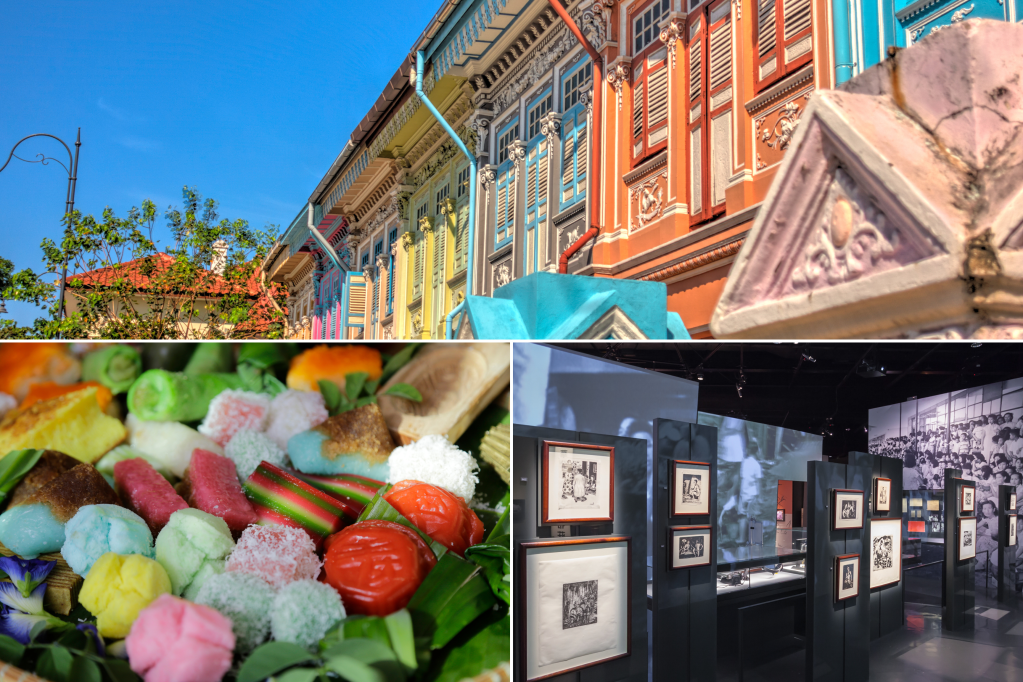
The Peranakan theme serves as a vibrant representation of the diverse roots of its people, a tapestry woven from the threads of various cultural influences. The exquisite cuisine, intricate textiles, and beautiful peranakan plates serve as artifacts of this unique blend, bearing witness to the culture’s rich history and providing a glimpse into the lives and customs of the Peranakan people. As the world becomes more interconnected, preserving and honoring diverse cultural heritages is crucial to promoting global understanding and respect. The Peranakan culture is a shining example of the potential that lies in cultural exchange and assimilation. By cherishing and safeguarding this cultural legacy, we champion a more inclusive, diversified, and united world, one that recognizes and values the unique contributions of all cultures to our shared human experience.
In conclusion, the Peranakan culture stands as a compelling example of the transformative potential of cultural exchange and assimilation. It emphasizes the notion that cultures can blend and coalesce to produce something truly exceptional and individualistic. By safeguarding and honoring the Peranakan culture, we champion a more inclusive, diversified, and united world, one in which we all can embrace and esteem the diverse cultural fabric that shapes our collective human journey.
 Hey Singapore