
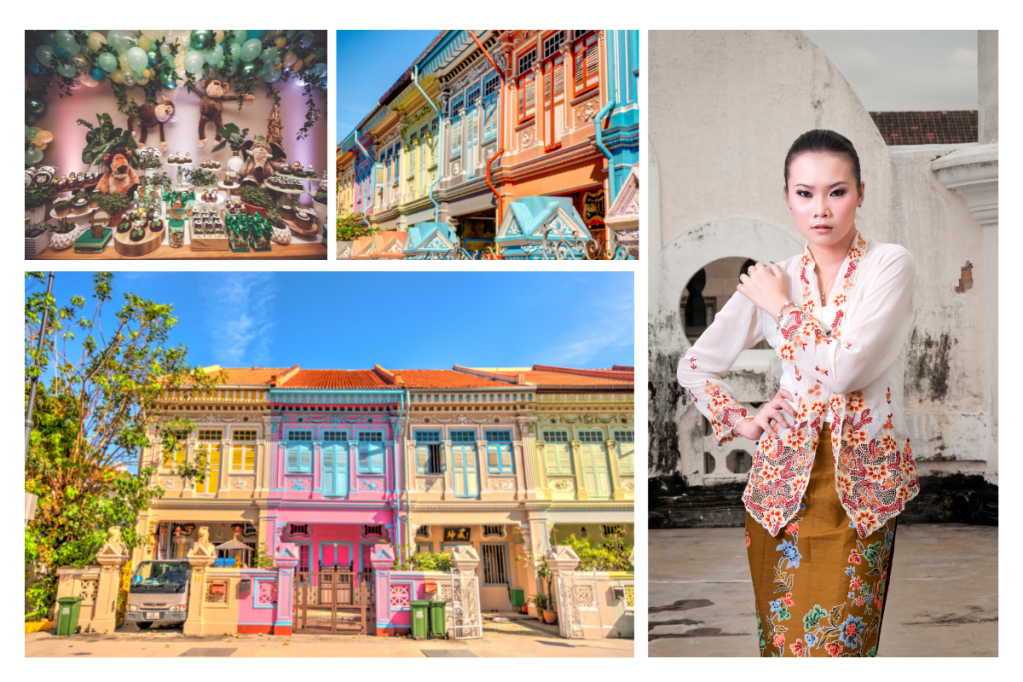
The Peranakan culture, a product of centuries of cross-cultural exchange and intermingling between the Chinese, Malay, and Indonesian peoples in the Malay Archipelago, is a veritable melange of customs and practices merged into a unique and fascinating cultural tapestry. The Peranakan people, also known by the monikers of Straits-born Chinese or Baba-Nyonya, trace their lineage to Chinese settlers who, over time, seamlessly integrated themselves into the local communities, thereby engendering a vibrant and dynamic fusion of diverse cultural influences. One of the hallmarks of the Peranakan culture is its bright and vivid palette of colors, which permeates every aspect of their existence, from their clothing to their homes to their art.
Moreover, the Peranakan culture is renowned for its intricate and exquisite art, characterized by its intricate patterns, elaborate designs, and attention to detail. The cuisine of the Peranakan people is a gastronomical wonderland featuring a plethora of delectable dishes that tantalize the taste buds with their rich flavors and aromas. In light of these extraordinary attributes, hosting a Peranakan-themed party is a beautiful way to pay homage to this rich cultural legacy and its multifaceted traditions while simultaneously providing guests with a feast for the senses that will leave a lasting impression.
Theme
Indulging in the revelry of a Peranakan-themed party entails embarking upon an aesthetic journey that delights the effervescence of Peranakan culture. This endeavor expresses the various elements that compose the festivities, such as decor, cuisine, wardrobe, and entertainment. In scenery, one must strive to invoke a sensory explosion, where colors are deftly wielded as a potent tool to transport guests to the glorious world of Peranakan culture. This is most effectively achieved by deploying a vibrant palette of hues, such as the striking triumvirate of red, gold, and blue symbolic of Peranakan customs.
The next step in this odyssey is incorporating Peranakan-inspired patterns, such as the beguiling floral or batik prints that have come to define Peranakan art. These can be artfully integrated into tablecloths, banners, and table settings, thereby further accentuating the atmosphere of the gathering. A particularly thoughtful touch that would make for a unique party favor would be the provision of traditional Peranakan-style fans or parasols, which guests can use to cool themselves while adding an extra dimension of authenticity to the proceedings.
Venue
To secure an ideal venue for a Peranakan-themed party, it behooves one to search for a locale that exhibits a complementary aesthetic that harmoniously merges with the tenor of the theme. An inspired choice in this regard would be a historical building replete with colonial architecture or a garden complete with lush foliage, which could serve as a sublime backdrop for the festivities. Once the space has been secured, the next crucial step is to fashion an immersive environment that transports guests to the captivating world of Peranakan culture. This can be achieved with a kaleidoscopic array of colorful fabrics and ornaments that act as a window into the rich tapestry of Peranakan traditions. Notable examples include the flamboyant beaded curtains that add a touch of vibrancy and luxury to the surroundings or the stately rattan furniture that epitomizes the charm and grace of Peranakan style. By integrating these items into the decor, guests will be enveloped by an ambiance that captures the essence of Peranakan culture and its unique beauty.
Attire
One cannot celebrate Peranakan culture without proper attire, and thus, it is incumbent upon guests to pay heed to the traditional clothing that befits the occasion. For men, the ideal garment is the baju lokchuan, a shirt with a dignified mandarin collar paired with sleek pants that exude elegance and sophistication. Meanwhile, for the fairer sex, the garment of choice is the exquisitely crafted kebaya. This blouse has become synonymous with Peranakan culture, resplendent in its immaculate embroidery and intricate design, and paired with a stunning sarong that completes the ensemble. Guests seeking to immerse themselves in this sartorial extravaganza can fully rent or purchase traditional outfits. Still, for those who prefer a more contemporary take, a subtle nod to Peranakan fashion can be achieved through colorful accessories, such as beaded jewelry that add an effervescent sparkle or perhaps an embroidered shawl drapes the wearer in a rich tapestry of Peranakan heritage.
Food and Drinks
To satisfy the gustatory cravings of guests at a Peranakan-themed party, one must delve into the depths of the culinary mosaic that is Peranakan cuisine, a harmonious blend of Chinese, Malay, and Indonesian flavors that titillate the senses and satiate the soul. The menu must feature signature dishes that epitomize the gastronomical diversity of this wondrous culture, such as the ever-popular laksa, a spicy coconut noodle soup that explodes with flavor, or the delectable nasi lemak. This dish has become a national treasure in Malaysia, featuring fragrant coconut rice and various flavorful side dishes. For dessert, the piece de resistance is undoubtedly the irresistible kueh lapis, a colorful and intricately layered cake that is a sight to behold and a treat to savor. To provide guests with a culinary adventure, these dishes can be served in smaller portions, allowing them to savor various flavors without becoming too full. To further enhance the experience, consider serving Peranakan-inspired cocktails, such as the Singapore Sling, a heady concoction of gin, cherry brandy, and pineapple juice that has become a classic, or perhaps a non-alcoholic beverage, such as Bandung, a sweet and refreshing rose syrup milk drink that is as beautiful to look at as it is delightful to taste.
Entertainment
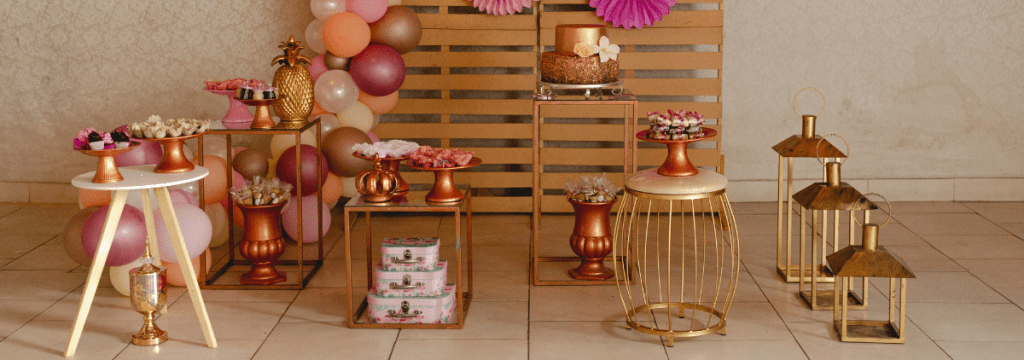
Music and dance are integral parts of Peranakan culture. Consider hiring performers who can play traditional Peranakan music, such as the gamelan, a percussion instrument, or the erhu, a two-stringed fiddle. Guests can also be encouraged to participate in traditional Peranakan dances, such as the joint or the inning.
Table Settings
Traditional Peranakan table settings feature ornate porcelain and ceramic dishes, chopsticks, and soup spoons. Use Peranakan-inspired tableware, such as blue and white porcelain, or batik-patterned textiles for tablecloths and napkins. Use colorful flowers, such as chrysanthemums or orchids, as centerpieces.
Gifts and Favors
Meaningful Peranakan-inspired gifts for guests can include beaded jewelry, embroidered handkerchiefs, or traditional sweets, such as kueh bangkit or pineapple tarts. DIY favor ideas include small jars of homemade chili sauce or a packet of conventional spice blends.
Budgeting
Hosting a Peranakan-themed party can be done on a budget. Prioritize areas with the most impact, such as decorations and food. Consider sourcing materials and decorations from local thrift stores or second-hand shops. Be creative with DIY projects, such as making table centerpieces from colorful paper lanterns or creating garlands from fabric scraps.
Cultural Sensitivity
When planning a Peranakan-themed party, being respectful and mindful of the culture and its traditions is essential. Avoid cultural appropriation by researching the history and significance of Peranakan culture and incorporating it authentically and respectfully. Seek advice and guidance from members of the Peranakan community, and be open to feedback.
Conclusion
A Peranakan-themed party is a beautiful way to celebrate and appreciate the rich culture and traditions of the Peranakan people. Every detail can contribute to an immersive and memorable experience, from the decorations to the food and entertainment. By being mindful and respectful of the culture and its traditions, guests can gain a deeper understanding and appreciation for the beauty and significance of Peranakan culture.
 Hey Singapore