
The slender, elongated utensils known as chopsticks bear immense cultural weight in the diverse tapestry of Asian societies. From the sophisticated cuisine of China to the refined culinary artistry of Japan, the use of chopsticks in dining represents a quintessential element of Asian culture that has persisted for centuries.
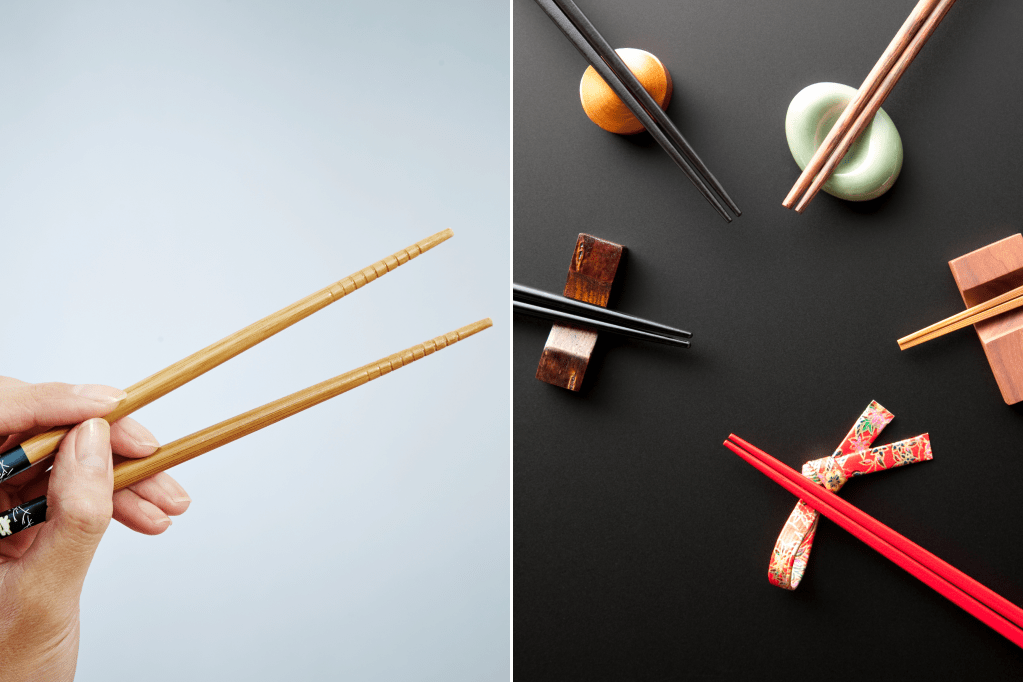
This piece endeavors to unravel the complexities and nuances of this practice, illuminating its rich historical context, intricate etiquette, as well as the unwritten taboos that govern its usage. Additionally, we will delve into the realm of advanced chopstick techniques, unveiling the lesser-known aspects of this revered culinary custom. So, join us on a journey of discovery as we unravel the mystique of this iconic utensil, and shed light on the many facets that make chopsticks an essential element of Asian cuisine and culture.
History of Chopsticks
The genesis of chopsticks dates back to the annals of ancient China, where they were initially developed as a culinary aid for the preparation and serving of food. These rudimentary utensils consisted of two sticks of varying lengths, with tapered ends that allowed for an easy grasp of food. As time wore on, the utility of these implements became increasingly apparent, and chopsticks began to proliferate across the vast expanse of East Asia. They quickly gained popularity, evolving into an integral component of the region’s gastronomic customs and practices.
In this way, chopsticks forged a distinct culinary identity for Asian cuisine, creating an intricate tapestry of traditions and customs that continue to fascinate and beguile diners to this day. Indeed, the ubiquity of chopsticks in the realm of food consumption is a testament to their remarkable versatility and longevity, demonstrating their ability to transcend cultural boundaries and become a universal symbol of Asian culinary artistry.
Different Types of Chopsticks
A plethora of chopsticks exist, crafted from an array of diverse materials that imbue each pair with unique characteristics and attributes. From the rustic charm of wooden chopsticks to the sleek sophistication of metal, the vast selection of materials available allows for a bespoke dining experience.
The variations in materials give rise to differences in weight, texture, and durability, which can influence the overall dining experience. For instance, the lightness of bamboo chopsticks imparts a subtle elegance, while the heft of metal chopsticks adds an air of opulence to the dining table. Furthermore, the texture of the chopsticks can influence the ease with which food can be grasped and consumed.
In this way, the selection of chopsticks is a deeply personal and intimate decision, shaped by a diner’s individual preferences and the type of cuisine being served. Whether one opts for the rustic charm of wooden chopsticks or the sleek elegance of metal, the choice of utensil is a reflection of one’s unique tastes and sensibilities. Ultimately, the decision of which chopsticks to use is a crucial component of the dining experience, contributing to the overall ambiance and enjoyment of the meal.
Basic Chopstick Holding Techniques
Mastering the proper chopstick holding technique is essential to avoid embarrassment during an Asian dining experience. Beginners can follow a step-by-step guide to learn the appropriate grip and maneuvering techniques. Further, picking the right chopstick size and style based on one’s hand shape and size can enhance the grip and dexterity.
How to Pick Up Food
Chopsticks can seem challenging to maneuver when trying to pick up small, slippery, or delicate food items. With practice, one can master techniques to handle various food types such as rice, noodles, sushi, and other small pieces of food. Additionally, holding chopsticks with finesse and grace is crucial to avoid food dropping and mishandling.
Advanced Chopstick Techniques
For the seasoned chopstick aficionado, the basic skill of holding chopsticks can be elevated to an art form with advanced techniques that require a deft touch and razor-sharp precision. These techniques include separating two pieces of food with the utmost delicacy, breaking apart sushi rolls with finesse, and effortlessly gripping slippery or oddly shaped food items. To accomplish such feats of culinary dexterity, chopstick connoisseurs may choose to employ utensils with a textured surface or specialized grip, enabling them to gain greater control and dexterity. This additional functionality allows experienced users to execute advanced techniques with ease, further enhancing the dining experience.
Indeed, the mastery of advanced chopstick techniques is a testament to the artistry and finesse that underpins Asian culinary traditions. Whether one is aiming to impress guests or simply seeking to elevate their dining experience, the practice of honing one’s chopstick skills is a worthy pursuit that requires both discipline and passion. So, join us in the pursuit of culinary excellence, as we delve into the world of advanced chopstick techniques and unlock the secrets of this revered culinary practice.
Chopstick Etiquette
Chopstick etiquette is a nuanced and intricate practice that varies across cultures and countries, with a plethora of customs and protocols to follow. Abiding by these time-honored rules not only enhances the dining experience but also demonstrates a deep respect and reverence for the rich cultural heritage that underpins this revered culinary tradition.
One of the foremost rules of chopstick etiquette is the use of separate utensils for serving and eating. This practice ensures that food is handled and consumed in a hygienic and respectful manner, while also preventing the mixing of flavors and spices that could detract from the overall dining experience. Furthermore, observance of chopstick etiquette demands a quiet and serene dining environment, free from the clatter and clink of utensils. This means avoiding noisy or boisterous behavior when using chopsticks, as it can be considered rude and disrespectful to fellow diners.
Chopstick Taboos
Certain chopstick taboos exist that one should avoid, such as sticking chopsticks upright in rice, as it resembles incense offerings made to the dead. Passing food directly from chopstick to chopstick is also considered bad manners. Instead, using serving chopsticks or using your own chopsticks to transfer food to your plate is preferable.
Common Mistakes to Avoid
Novice chopstick users tend to make common errors such as holding them too tightly or crossing them over each other. Using chopsticks to spear food is also considered impolite. Simple food items such as rice and noodles are recommended for practice to improve chopstick skills. Training chopsticks with a hinge or rubber band can also aid in mastering the technique.
Advantages of Using Chopsticks
The use of chopsticks as a culinary tool offers several distinct advantages over traditional utensils such as forks and knives. From a hygienic standpoint, chopsticks are highly preferred as they minimize the contact between the diner’s mouth and the utensil itself, reducing the risk of bacterial transmission and promoting a more sanitary dining experience.
Moreover, chopsticks are highly effective at picking up small pieces of food with ease, allowing for a more nuanced and refined approach to the dining experience. This intricate level of control and precision in handling the utensils enables the diner to fully appreciate and savor each bite, creating a mindful and enjoyable eating experience. In addition to their hygienic and culinary advantages, the use of chopsticks also carries cultural significance, representing a deeper connection to the rich heritage and traditions of Asian cuisine. By incorporating chopsticks into one’s dining routine, one can not only enhance the sensory experience of eating but also imbue it with a sense of cultural significance and reverence.
Learning to Use Chopsticks with Children
Introducing chopsticks to children can be a challenging yet fun experience. Teaching them how to hold and use chopsticks can help develop fine motor skills and improve hand-eye coordination. It is essential to choose child-friendly chopsticks, which are smaller and easier to grip.
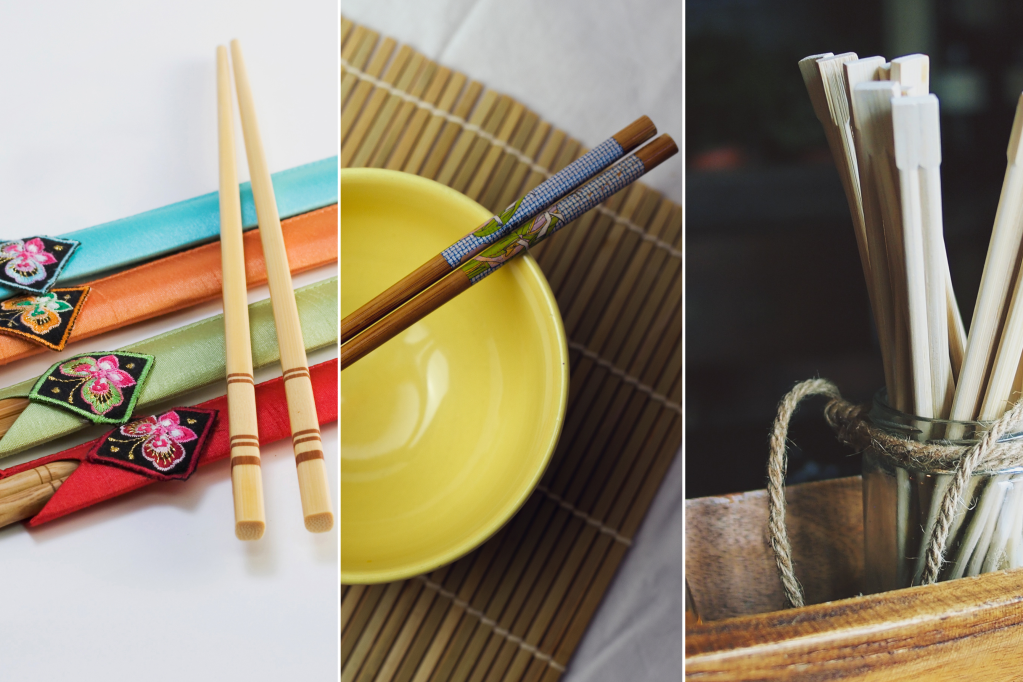
To make learning to use chopsticks enjoyable, parents can create games that require children to pick up small objects, such as cheerios, with their chopsticks. They can also incorporate chopsticks into mealtime by serving chopstick-friendly foods, such as sushi or noodles. Fun chopstick holders can also add an element of excitement to the meal.
Using Chopsticks for Health and Wellness
Using chopsticks can promote mindful eating, as it requires a slower pace of eating and a more deliberate approach to food consumption. This technique can help individuals savor their food and appreciate each bite.
Furthermore, using chopsticks can also provide health benefits. Studies have shown that using chopsticks can aid in digestion by breaking down food into smaller pieces, making it easier for the body to absorb nutrients. Additionally, using chopsticks can reduce calorie intake by helping individuals eat smaller portions and take their time while eating.
Maintaining and Cleaning Chopsticks
Proper maintenance and cleaning of chopsticks are crucial for their longevity. After each use, it is important to rinse chopsticks with warm water and soap. Avoid soaking chopsticks in water, as it can cause them to warp or crack. It is also recommended to oil wooden chopsticks regularly to prevent them from drying out.
When storing chopsticks, it is best to keep them in a dry and well-ventilated area. Chopstick rests or holders can help prevent them from rolling around and getting dirty. It is also important to store chopsticks separately to avoid cross-contamination.
Chopsticks are an integral part of Asian culture and cuisine. Learning to use chopsticks can be a fun and rewarding experience, promoting mindful eating and providing health benefits. Proper maintenance and cleaning of chopsticks can ensure their longevity, making them a practical and sustainable choice for utensils.
 Hey Singapore