
Introduction
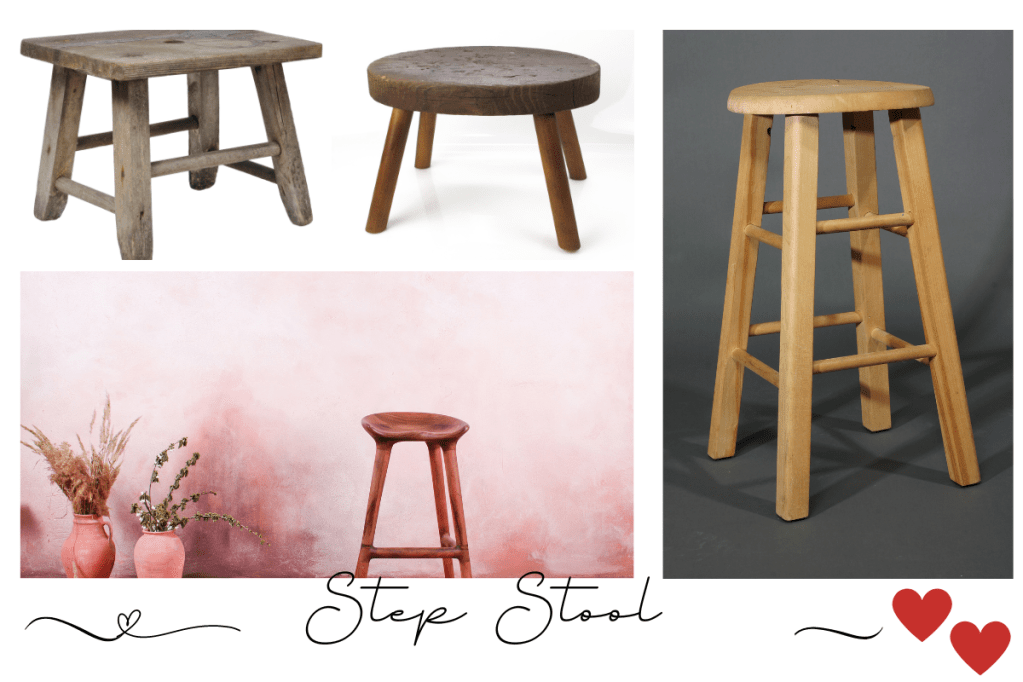
A little piece of furniture called a step stool is used to increase height for a variety of functions. It typically has one or more steps and can be made of a variety of materials, including plastic or wood. Step stools are a necessary item that are present in every home, business, and public area.
A step stool’s value rests in its capacity to make it simple and safe for individuals to access high areas. A step stool can make any activity much easier and safer, whether you need to access a high shelf, change a lightbulb, or clean awkward places.
We will provide you a thorough tutorial on how to construct your own step stool in this article. We’ll go through everything, from the materials required to safety considerations, providing you with all the knowledge you need to construct a step stool that is specific to your requirements.
Materials Needed
The components for your step stool must be gathered before you can begin construction. The items you’ll need are listed below:
A. Wood: You’ll need wood for the step stool’s legs and steps. Hardwood is a fantastic option because it is sturdy and long-lasting, like oak or maple. Softwoods like pine or spruce can also be used, but they might not be as sturdy.
Screws, B. Screws are required to secure the legs to the stairway and strengthen the joints. Make sure the screws you select are the right length and size for the task.
C. Wood glue: To strengthen the joints and make sure your step stool is strong, you’ll need wood glue. Choose a strong-bonding, high-quality wood glue that dries clear.
D. Sandpaper: You’ll need sandpaper to remove any sharp edges from your step stool and make sure it’s safe to use. Choose medium-grit sandpaper, such as 120 or 150.
E. Paint or stain: To finish your step stool and safeguard it from damage, use paint or stain. Choose a paint or stain that suits both your personal preferences and the sort of wood you’re utilizing.
When you have all the components you need, you can begin constructing your step stool!
Measuring and Cutting
Now that you have all the materials, it’s time to start measuring and cutting the wood for your step stool. Follow these steps:
A. Measurements for the legs: Measure and mark the length of your step stool legs on your wood. A typical step stool height is around 8-10 inches, but you can adjust the height according to your needs. Cut the legs to size using a saw.
B. Measurements for the steps: Measure and mark the width and depth of your steps on your wood. The standard width of a step is around 14 inches, and the depth is around 8 inches, but you can adjust these measurements to your liking. Cut the steps to size using a saw.
C. Cutting the legs: Cut the legs at a 10-degree angle at the bottom. This will ensure that your step stool is stable and won’t wobble.
D. Cutting the steps: Cut the steps at a 90-degree angle at the corners. This will ensure that your steps fit together securely and won’t have any gaps.
Take your time when measuring and cutting your wood to ensure that your step stool is the correct size and shape. It’s always better to measure twice and cut once!
Assembly
It’s time to put your step stool together now that all of the wood has been trimmed to size. Take these actions:
Affixing the step legs to the legs: Using screws and wood glue, secure the legs to the stairway. To avoid the wood splitting, drill the holes first. To ensure that your step stool is stable and won’t wobble, make sure the legs are fastened at a 10-degree angle.
B. Joint reinforcement Increase the strength of the joints by using more screws and wood glue. Your step stool will become stronger and more durable as a result.
D. Sanding the step stool: To make sure your step stool is safe to use, use sandpaper to smooth off any sharp edges. Finish using a fine grit sandpaper, such as 220, after starting with a medium grit sandpaper of 120 or 150.
D. Painting or staining: To prevent your step stool from deterioration, paint or stain it. Choose a paint or stain that suits both your personal preferences and the sort of wood you’re utilizing. Before utilizing your step stool, use a brush or roller to apply the paint or stain and let it dry completely.
Take your time and pay close attention to the instructions as you put your step stool together. Making ensuring your step stool is secure and secure to use is vital.
Adding Features
You can add some more features to your step stool to make it even more practical even if it is now constructed and ready for use. Here are a few concepts:
A. Installing a handle will make it easy to move your step stool around. The top of the stool can have a handle attached to it using screws and wood glue. Choose a handle that fits the design of your step stool and is comfortable to hold.
B. Putting rubber feet on the bottom will stop your step stool from sliding and skidding on smooth surfaces. Each leg’s bottom can have rubber feet attached with screws and wood glue. Ensure that the rubber feet are firmly fastened and difficult to remove.
C. Including a tool tray: Having your tools and supplies close at hand is simple when you add a tool tray to your step stool. With screws and wood glue, a tray can be fixed to the step stool’s top. Verify that the tray is stable and won’t readily tip over.
You can modify your step stool to meet your unique demands and increase its utility by adding these features.
Factors for Safety
Although a step stool is a straightforward and practical item to have about the house, safety should always come first. When using your step stool, keep the following safety tips in mind:
A. Weight limit: Be careful to be aware of the step stool’s weight limit and to adhere to it at all times. If you’re unsure of the weight restriction, check the manufacturer’s instructions or speak with a specialist.
B. The step stool’s stability: When you’re using your step stool, it should be stable and not sway or topple over. Ensure sure the stairs are level and the legs are firmly fastened. Use caution when using a step stool that is shaky or unstable until it has been fixed.
C. Proper use of the step stool: When using your step stool, make sure it’s on a level surface and that all four legs are firmly planted. Don’t use the top step or stand on the edge of the stool. Always face the stool and keep your weight centered over the steps. If you need to reach something that’s out of reach, move the stool rather than leaning or reaching too far.
By following these safety considerations, you can ensure that your step stool is safe and reliable for years to come.
Cleaning and Maintenance
It’s critical to clean and maintain your step stool correctly to keep it in good shape and ensure its longevity. The following advice will help you maintain, clean, and fix your step stool:
A. Cleaning the step stool on a regular basis will help keep it in good shape. Use a moist cloth or sponge, mild soap, or cleaning solution to clean it. Avoid using cleaning agents or items that could scrape or harm the stool’s surface.
B. Upkeep of the step stool: Keeping your step stool in good working order requires routine maintenance. Periodically check the joints and screws to make sure they are tight and stable. If you discover any slack or shaky components, tighten them up or, if necessary, replace them. Moreover, keep an eye on the stool’s finish and use paint or stain to cover up any nicks or scratches.
C. Fixing the step stool: Don’t throw away your damaged or broken step stool. Instead, fix it. You can fix it yourself if you have some basic woodworking knowledge and equipment.
Start by figuring out the issue and the best path of action. This could entail re-gluing a joint, repairing a broken component, or tightening any loose screws. If you don’t feel confident making the repairs yourself, think about hiring a specialist.
You can keep your step stool in good shape and get many years of usage out of it by using the cleaning, upkeep, and repair advice provided below.
Different Types of Step Stools
Although step stools have a similar fundamental design, there are various different models available, each with special features and advantages. Some of the most popular varieties of step stools are listed below:
A single step stool is a straightforward, one-step stool that gives you a boost when climbing stairs or other high areas. As it’s usually portable and lightweight, it’s a fantastic choice for use in confined spaces or on rare occasions.
B. Folding step stools: When not in use, folding step stools are a small, handy solution that are simple to store. It often has a metal frame, a hardwood or plastic step surface, and is foldable for storing in a closet or under a bed.
C. A double step stool is a higher stool with two steps for increased height. It sometimes doubles as a seat and is excellent for reaching high shelves or changing light bulbs.
D. Step stool chair: A step stool chair combines the ease of a chair with the practicality of a step stool. Often, it features two or three steps that unfold from the chair base, giving you an assist when climbing stairs. The stairs can be folded up and placed under the seat when not in use.
Think about the height you need to reach, how frequently you’ll use it, and how much storage room you have before selecting a step stool. You can make sure you have a secure and dependable equipment for climbing high objects by picking the appropriate sort of step stool for your needs.
Conclusion
In conclusion, a step stool is a straightforward but practical equipment for obtaining high locations around the home or office. You can save money and have the design tailored to your unique needs by making your own step stool.
It is impossible to stress how crucial having a step stool is because it can assist avoid accidents and injuries brought on by reaching for high objects or standing on shaky surfaces. A step stool may give you a secure and stable platform to stand on whether you need to reach a high shelf, change a lightbulb, or clean your gutters.
We recommend that you construct your own step stool using the supplies and guidelines in this post. You may make a useful and fashionable step stool with a little carpentry know-how and some simple tools that will last you for many years.
Remember to always prioritize safety when using a step stool, and follow the proper guidelines for weight limits, stability, and proper use. With these considerations in mind, you can enjoy the convenience and utility of your very own handmade step stool.
 Hey Singapore