
The art of hand painting has recently emerged as an inimitable and coveted art form, evocative of a bygone era that exudes an unrivaled sense of refinement and sophistication in tableware. With an unmistakable charm that celebrates the artist’s creativity, hand-painted tableware offers a distinctive and highly personalized means of embellishing dining tables with an elegant touch.
Hand-painted tableware is, unequivocally, a manifestation of the artist’s proficiency and finesse, imbued with an unparalleled level of exclusivity that elevates the dining experience to a form of art. The intricate patterns, masterfully crafted by the artist’s hand, effortlessly interweave with a spectrum of vibrant hues that imbue the table with a refined aura of unparalleled elegance and individuality. The sheer beauty of the hand-painted designs complements any dish and transforms the mundane into the extraordinary.
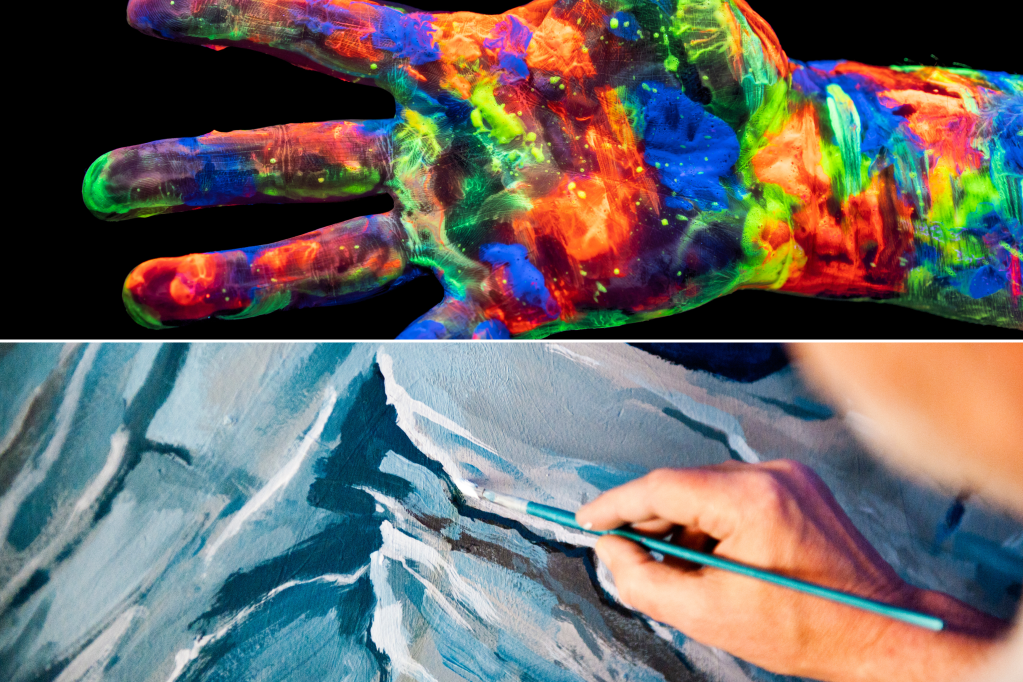
In essence, the hand-painted tableware transcends beyond mere plates, bowls, and cups, becoming a work of art in its own right. The meticulous attention to detail and the skillful use of color bring to life the artist’s vision, making each piece a unique and inimitable masterpiece that inspires and captivates the beholder. Whether it is a festive celebration or an intimate dinner, hand-painted tableware is the perfect medium to add a touch of opulence and grandeur to any dining setting.
- History of Hand-Painted Tableware
Hand-painted tableware traces its origins to ancient civilizations where it entailed rudimentary designs on clay surfaces. Over time, the art of hand painting on tableware evolved into highly intricate designs, exemplified by the Chinese who used cobalt blue to adorn their exquisite porcelain. During the Renaissance, European artists such as Raphael and Leonardo da Vinci created designs for tableware, while artisans in Italy and France honed their skills in the art of hand-painting on ceramics, marking a new era of opulence and artistic creativity.
- Techniques Used in Hand-Painted Tableware
Hand-painted tableware involves several techniques, each with its own set of advantages and disadvantages. Freehand painting, a traditional technique, enables artists to produce exclusive designs with great detail and precision. Stenciling is another technique that uses pre-made stencils to transfer designs onto the tableware’s surface. Decal transfer is a process that uses heat and pressure to apply pre-made designs onto the tableware’s surface.
While freehand painting allows for the most creativity and originality, it can be time-consuming and requires a high level of skill. Stenciling and decal transfer, while faster and requiring less skill, may need more personalized touch and uniqueness that freehand painting provides.
- Types of Hand-Painted Themes
Hand-painted tableware is available in various themes, each characterized by unique features and symbolic significance. Floral themes are the most popular, boasting a plethora of delicate and colorful flowers. Botanical themes feature foliage and plants, while animal themes display an array of wildlife and pets. Landscape themes showcase scenic vistas and pastoral scenes, whereas abstract themes embody bold and vibrant designs.
Each theme carries its own symbolic meaning, making it imperative to select the appropriate theme for the occasion. For example, floral themes are ideal for weddings, while landscape themes suit outdoor dining experiences.
- Hand-Painted Tableware for Different Occasions
Hand-painted tableware is versatile and appropriate for diverse occasions, ranging from formal dinner parties to casual brunches. For formal events, tableware with intricate designs and refined colors works best. For casual events, brighter and more playful designs are suitable.
When incorporating hand-painted tableware into a table setting, it’s essential to select complementary colors and patterns. Mixing and matching different colors and patterns can add a touch of playfulness and whimsy to the table setting.
- The Artistic Value of Hand-Painted Tableware as Collectibles
The alluring charm of hand painting on tableware adds a touch of elegance and artistry to any table setting. Its unique appeal has made it a popular choice among collectors who value exquisite and one-of-a-kind pieces. Various brands and styles of hand-painted tableware, such as antique Limoges porcelain and modern-day fine china, have garnered significant interest and recognition in the art and antiques world.
- Nurturing Hand-Painted Tableware – Care and Maintenance
The acquisition of hand-painted tableware is an investment in beauty and luxury that demands meticulous care and reverence to sustain its delicate aesthetic appeal and endurance. The fragility of the hand-painted design necessitates handling with utmost care and diligence to prevent damage or deterioration that may irreparably mar its visual allure.
To preserve the pristine condition of the hand-painted tableware, it is imperative to clean them with utmost tenderness, using a soft cloth and avoiding abrasive materials or harsh chemicals that could corrode the paint or glaze. The use of natural cleaning agents such as vinegar or baking soda could be an excellent alternative, as they are gentle yet potent in their cleaning efficacy.
Hand-painted tableware is a testimony to the artistry of human craftsmanship, and its longevity is dependent on the care and consideration with which it is treated. Proper care and maintenance could extend the lifespan of the hand-painted tableware to many years, and even beyond, culminating in them becoming cherished family heirlooms that transmit the legacy of beauty and refinement from one generation to the next.
- The Creativity of DIY Hand-Painted Tableware
Craft enthusiasts can explore their artistic side by creating their own hand-painted tableware. It’s a fulfilling and fun activity that offers endless possibilities for creativity and personalization. One can choose their preferred style, theme, and color scheme to make unique and one-of-a-kind pieces of hand-painted tableware. The process involves painting a base coat, designing with stencils, and finishing it with protective layers to ensure durability.
- Hand-Painted Tableware as a Thoughtful Gift
Hand-painted tableware can make a thoughtful and memorable gift for various occasions. A set of hand-painted mugs or plates can be an ideal gift for housewarming parties, weddings, and birthdays. It’s crucial to consider the recipient’s taste, style, and preferences when selecting the right type of hand-painted tableware. A personalized message or a handcrafted packaging can add a special touch to the gift.
- The Versatility of Hand-Painted Tableware as Home Decor
Hand-painted tableware can enhance the aesthetic appeal of any home decor. They are versatile and can be displayed in many areas of the home, including living rooms, dining rooms, and kitchens. One can use hand-painted plates as wall decor or display a set of hand-painted teacups on a shelf. Adding hand-painted tableware to home decor not only adds visual appeal but also reflects the owner’s personality and artistic taste.
- Popular Hand-Painted Tableware Brands
Popular brands such as Royal Doulton, Wedgwood, and Herend are known for their intricate and exquisite hand-painted designs. Each brand has its own unique history and characteristics that make their tableware highly sought after by collectors and enthusiasts.
- Hand-Painted Tableware and Cultural Significance
The practice of hand-painted tableware is deeply entrenched in diverse cultures across the world, each with its unique aesthetic and artistic traditions. In Japan, the art of porcelain painting, known as inseki, is a treasured art form that has been passed down through generations for centuries. This style of hand-painted tableware is highly prized for its delicate, intricate designs that reflect the delicate beauty of nature, expressed through the deft brushstrokes of skilled artisans.
Similarly, in China, the tradition of hand-painted tableware is steeped in history, with blue and white porcelain being a popular style that originated in the Tang Dynasty. This style is distinguished by its intricate designs, including floral motifs and intricate landscapes, which evoke a sense of serene tranquility and harmonious balance.
The rich cultural significance of hand-painted tableware extends beyond Asia, with Europe being a bastion of this art form. Here, the tradition of hand-painted tableware can be traced back to medieval times, with the art of majolica gaining prominence in Italy during the Renaissance. This style is distinguished by its vibrant colors and intricate patterns, which were often inspired by classical mythology and ancient history. The intricate designs of majolica tableware reflect the richness of European cultural heritage, and its continued popularity is a testament to its enduring legacy
- Hand-Painted Tableware and Contemporary Design
Contemporary designers have embraced the fusion of hand-painted tableware and modern design, propelling this classic art form into the realm of innovative and functional pieces. These designers exhibit a deep appreciation for the beauty and sophistication that emanates from hand-painted tableware while simultaneously striving to push the boundaries of traditional design by infusing their creations with a bold and innovative aesthetic.
The Dutch designer Jorine Oosterhoff exemplifies this trend, creating mesmerizing tableware that blends traditional hand-painted techniques with modern design elements, resulting in captivating and whimsical pieces. Oosterhoff’s creations showcase her masterful control of color and pattern, evoking a sense of playfulness and enchantment that adds a unique touch of magic to any table setting.
In summation, hand-painted tableware boasts an ageless allure that surpasses cultural and historical barriers. The cultural implications and avant-garde designs of this art form make it a prized possession for any tabletop display or household embellishment. Whether it be the intricacy of Japan’s inseki or the elegance of China’s blue and white porcelain, hand-painted tableware exudes a refinement and refinement that can elevate any event or dining experience. The timeless appeal of hand-painted tableware continues to captivate enthusiasts and collectors alike, as well as those who simply appreciate the beauty and craftsmanship of this fine art.
 Hey Singapore