
Discover the art of crafting the perfect spoon and fork set with our comprehensive guide to quality cutlery. Elevate your dining experience today.
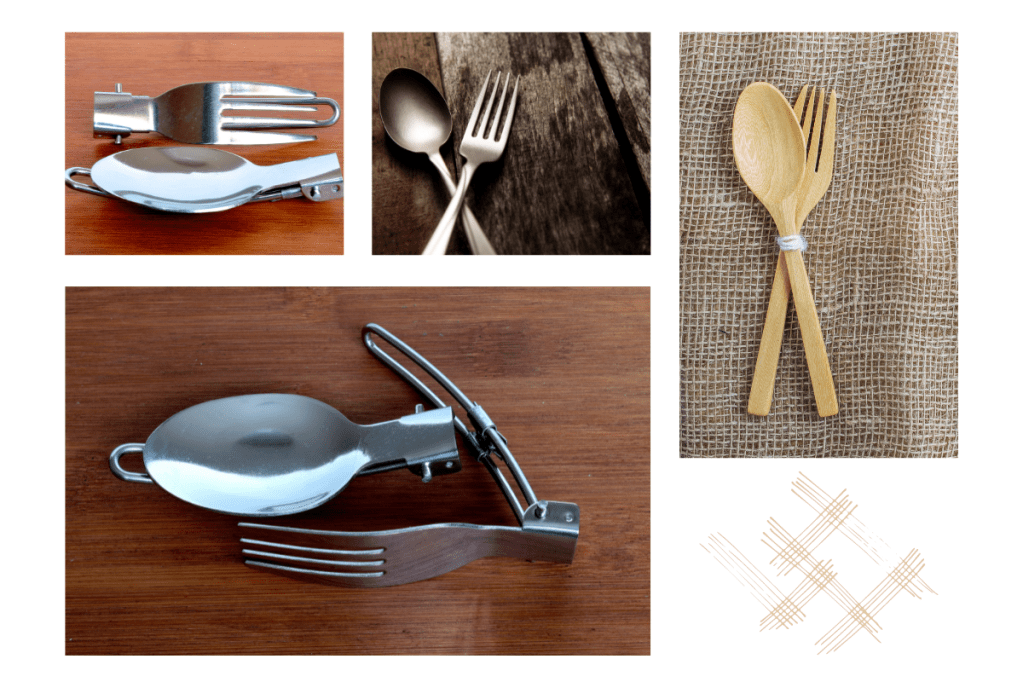
A Primer on Cutlery Materials: Understanding the Properties of Stainless Steel, Titanium, and Other Metals
Since the beginning of time, cutlery has progressed from using primitive materials like bones and stones to using modern metals like stainless steel and titanium. The ideal cutlery for your needs can be determined by your familiarity with the characteristics of various metals. To that end, this essay will delve further into the topic of cutlery materials, comparing and contrasting the qualities of several metals often used in the industry.
Because of its long lifespan and immunity to rust, stainless steel is frequently used to make flatware. The steel contains iron, carbon, and at least 10.5% chromium, which forms a thin layer of chromium oxide on the surface, preventing corrosion and stains. Stainless steel is an excellent material since it can be easily sharpened and maintained.
Titanium, which is both lightweight and robust, is another common material for knives. Titanium is a great material for use in the great outdoors because it is as strong as steel yet weighs only a fraction as much. Titanium’s exceptional corrosion resistance also makes it a good choice for use near sea water. Titanium, on the other hand, is both more expensive and trickier to sharpen than steel.
Cutlery can also be made from silver, copper, and gold, however these metals are used far less frequently due to their high price and scarcity. Elegant and shiny silver tableware, for instance, is frequently used during formal dinners. Silver, however, needs more care than other metals because it is delicate and scratches readily. Cutlery is typically made of silver, however other metals like copper and gold are utilized as well despite being even more expensive due to their scarcity.
The Art of Designing Cutlery: From Ergonomics to Aesthetics
You can tell a lot about a person by looking at their cutlery; it’s more than just a utilitarian item. Throughout history, cutlery has been refined to improve both its aesthetics and its utility. From practicality to style, this article delves into the intricate world of cutlery design.
Cutlery design should take into account ergonomics, the study of how people interact with their surroundings. A well-designed handle can reduce hand strain and improve grip, therefore it’s important to pay attention to the proportions of the silverware you buy. Ergonomics also takes into account the weight and balance of cutlery, with a well-balanced instrument facilitating easier food manipulation.
The silverware you use every day should be functional, but it’s also important that it look good. Depending on the shape, color, and texture chosen by the artist, cutlery can be considered a work of art in its own right. The aesthetic of cutlery can range from minimalist and contemporary to elaborate and traditional, depending on the designer’s intent. Cutlery can look different depending on the material it is made of, with silver being more formal and conventional and stainless steel seeming more sleek and modern.
Cutlery styles shift as time goes on for same reasons as other products do. The use of novel materials and the investigation of unconventional forms and layouts are both on the rise. Cutlery designers in the future will likely want to minimize their products’ waste and negative effects on the environment. Also, custom cutlery is on the horizon, thanks to developments in 3D printing and the rise of custom design.
Cutlery design also takes functionality into account. Cutlery’s principal purpose is to cut, spear, and transfer food; a badly designed instrument can make eating a chore or cause discomfort. Size and shape of the handle can facilitate safe and comfortable use while cutting or spearing food, and vice versa.
The development of cutlery is an additional example of a field where tradition and novelty meet. While many classic layouts are still in use today, others have changed to accommodate newer technologies and aesthetic preferences. The development of novel materials and forms has also enabled designers to experiment with new types of cutlery. Traditional cutlery, however, is not entirely obsolete, as many people continue to appreciate the heritage and cultural value of particular patterns.
The Ins and Outs of Spoon and Fork Production: Techniques and Processes
Cutlery, such as spoons and forks, are made using a number of methods and procedures that result in utensils that are both practical and aesthetically beautiful. Forging is a crucial procedure that entails striking the hot metal into the required shape. Not only does this procedure form the spoon or fork’s final form, but it also fortifies the metal. Stamping is another method of making cutlery; in this process, the tool is cut from a metal sheet using a stamping press. When compared to forging, this process is faster and cheaper, but the resulting tools may not be as durable.
After the cutlery has been forged into its final form, it undergoes a polishing procedure to smooth its surface and eliminate any flaws. This can be accomplished by sanding, buffing, or polishing. Coating the silverware with a corrosion- and tarnish-resistant material like chrome or nickel is the final step.
Making cutlery that is both practical and aesthetically pleasing necessitates a blend of art and science. Every stage of production, from initial concept to final polish, is rigorously inspected to guarantee the finest quality.
The Importance of Proper Maintenance: Cleaning and Storage Tips for Your Cutlery Set
You may extend the life of your cutlery set by doing routine maintenance on it. Regular cleaning is an essential part of maintenance since it gets rid of lingering food particles and stops rusting. Knives and forks should be washed by hand in warm water with a light detergent and dried with a soft towel. Don’t use steel wool or other abrasive cleaning materials on the kitchenware, since they may scratch the surface.
Proper storage is also crucial for the life of your silverware. Storing utensils in a dry, clean place is important for keeping them from rusting or pitting. Keeping them in a cutlery tray or drawer divider will save them from banging into each other while being stored. Don’t keep them somewhere damp, as this can hasten the rusting process.
Finally, proper cutlery use is essential. You shouldn’t try to use a spoon as a screwdriver or a knife as a can opener; these tools have specific purposes. The cutlery’s durability may suffer as a result of this.
If you take care of your silverware the right way, it will last for years without showing any signs of wear and tear. If you take good care of it, your silverware will continue to be an integral part of your meals for a very long time.
Choosing the Perfect Set: Factors to Consider When Purchasing Spoon and Fork Sets
There are several considerations to make while shopping for a set of cutlery, such as spoons and forks. To begin, a set of cutlery is only as useful as the comfort and ease with which it can be used, which is why the design of the spoon and fork is so important. Make sure the set you choose has a good ergonomic design so that it feels good in your hands. Spoon and fork sizes, shapes, handles, and grips should all be considered.
The longevity and quality of the cutlery should also be taken into account. This is the single most important factor in establishing its durability and performance throughout time. You may save yourself time and money in the long run by purchasing a high-quality set built from long-lasting materials like stainless steel.
Last but not least, you should think about how pretty the cutlery is. You may improve the atmosphere and class of your mealtime thanks to the set’s design, polish, and general look. It’s crucial that you pick a set that fits well with your existing tableware and home decor while still being a good reflection of who you are as a person.
Innovative Spoon and Fork Materials: Bamboo, Glass, and Other Non-Traditional Alternatives
Spoon and fork sets made of bamboo, glass, and other non-traditional materials are rising in popularity due to their distinctive qualities and long-term viability. Due to bamboo’s rapid growth and regenerative nature, it is a sustainable choice for individuals concerned about the planet’s future. It’s great for regular usage because it’s not just lightweight but also highly sturdy.
Beautiful and sophisticated, glass spoon and fork sets are a wonderful choice that can elevate any meal. Their small weight and delicacy make them perfect for intimate meals and other special events. Glass tableware, while not as sturdy as other options, may lend a touch of individuality and style to your place settings.
Spoon and fork sets can also be found made from plastic, silicone, and even wood, all of which are less conventional materials. Using these materials may make mealtimes more interesting and enjoyable by providing a variety of textures, shapes, and patterns. Some of these materials may not be as long-lasting as others, such as stainless steel, but they provide an alternative that is better for the environment and the people who value it.
There are a number of aspects to think about when shopping for a new set of cutlery, not the least of which are the design, durability, and visual appeal. Bamboo, glass, and other eco-friendly alternatives are gaining in favor, so consumers now have more options than ever before. Whether you go with a more conventional or non-conventional material, you want to make sure that the dining set you purchase is high-quality and comfortable.
 Hey Singapore