
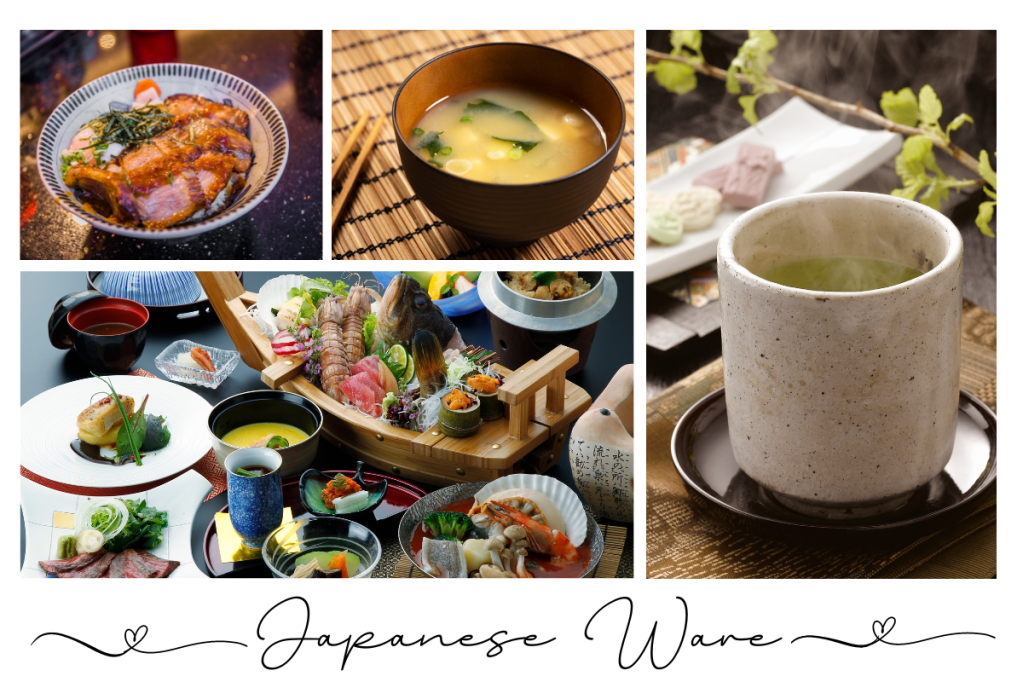
Japanese pottery is renowned around the world for its exquisite beauty, delicate craftsmanship, and fascinating history. From rustic earthenware to refined porcelain, Japanese pottery comes in a wide variety of styles and designs, each with its own unique story to tell.
If you’re a pottery enthusiast or simply someone who appreciates fine craftsmanship, you’re in luck. In this article, we’ll take a deep dive into the world of Japanese pottery, exploring its history, techniques, and some of the most notable makers and artists.
History of Japanese Pottery
Pottery has been an integral part of Japanese culture for over 10,000 years, dating back to the Jomon period. During this time, pottery was primarily used for practical purposes, such as cooking and storage.
As Japan entered the Nara and Heian periods, pottery became more decorative, with intricate designs and glazes. During the Edo period, the tea ceremony became popular, leading to a new era of pottery known as “tea ware,” which emphasized simplicity, rusticity, and beauty.
Today, Japanese pottery continues to be celebrated for its unique blend of form and function, beauty and practicality.
Techniques of Japanese Pottery
Japanese pottery is made using a variety of techniques, including hand-building, wheel-throwing, and firing in wood-burning kilns. Many traditional potters still use these techniques today, resulting in pottery that is both authentic and timeless.
One of the most famous techniques in Japanese pottery is Raku, which was first developed in the 16th century for use in the tea ceremony. Raku pottery is characterized by its irregular shapes, rough textures, and bold colors, and it is often used for small tea bowls and other tea ceremony utensils.
Another technique used in Japanese pottery is Kintsugi, which involves repairing broken pottery with gold or other precious metals. The result is a beautiful, one-of-a-kind piece that celebrates the history and imperfections of the pottery.
Meet the Makers
One of the best ways to appreciate the beauty and history of Japanese pottery is to meet the makers and artists themselves. Japan is home to many world-renowned pottery centers, including Bizen, Shigaraki, and Mashiko.
Some of the most famous Japanese potters include Shoji Hamada, who was instrumental in reviving traditional pottery techniques in the 20th century, and Kitaoji Rosanjin, who is known for his innovative designs and collaborations with other artists.
If you’re interested in learning more about Japanese pottery, consider visiting one of Japan’s many pottery towns or attending a pottery workshop. You can also explore the work of contemporary Japanese potters through exhibitions and galleries, both in Japan and around the world.
Japanese pottery is a true masterpiece of art and craftsmanship, with a rich history and vibrant contemporary culture. Whether you’re a collector, enthusiast, or simply someone who appreciates beauty and creativity, Japanese pottery is sure to delight and inspire.
So why not explore the world of Japanese pottery today? From traditional tea ware to contemporary ceramics, there’s something for everyone to discover and enjoy.
As self-proclaimed foodies, we are always on the lookout for the latest kitchen trends and must-have items. And one trend that has been steadily gaining popularity in recent years is Japanese ware. From plates to bowls to chopsticks, Japanese ware has become a staple in many foodie collections. But what makes Japanese ware so special? In this article, we will delve into the unique qualities of Japanese ware that make it a must-have for any foodie’s collection.
Quality Craftsmanship
One of the defining features of Japanese ware is its quality craftsmanship. Japanese artisans have been perfecting their craft for centuries, and their attention to detail and dedication to perfection is evident in every piece of ware they produce. Each item is handmade with precision and care, ensuring that every piece is unique and of the highest quality. From the texture of the ceramics to the intricate designs painted on each piece, Japanese ware is a true work of art.
Unmatched Aesthetics
In addition to its quality craftsmanship, Japanese ware is also known for its unmatched aesthetics. The design of each piece is carefully considered, with the goal of creating a beautiful and harmonious object. From the simple elegance of minimalist designs to the intricate patterns of traditional Japanese motifs, each piece of Japanese ware is a reflection of the country’s rich cultural heritage. The beauty of Japanese ware is not only pleasing to the eye but also enhances the dining experience, making it an essential addition to any foodie’s collection.
Versatile Functionality
Japanese ware is not only beautiful but also highly functional. Each piece is designed with practicality in mind, making it ideal for a variety of dining scenarios. From the small size of traditional rice bowls to the larger size of noodle bowls, Japanese ware is versatile enough to accommodate a wide range of dishes. Additionally, the texture of the ceramics used in Japanese ware helps to retain heat, keeping food warm for longer periods. These functional features make Japanese ware an essential addition to any foodie’s collection.
Symbolic Significance
Finally, Japanese ware also holds symbolic significance in Japanese culture. Many traditional designs are steeped in symbolism, with each pattern representing a specific cultural or historical reference. For example, the cherry blossom pattern represents the transient nature of life, while the crane pattern symbolizes longevity and good fortune. Owning and using Japanese ware not only adds beauty to your dining experience but also serves as a connection to Japanese culture and history.
In conclusion, Japanese ware is a must-have for any foodie’s collection. Its quality craftsmanship, unmatched aesthetics, versatile functionality, and symbolic significance make it a unique and valuable addition to any kitchen. So, whether you are a seasoned chef or a foodie enthusiast, investing in Japanese ware is an investment in quality, beauty, and culture.
Are you looking to add a touch of elegance to your dinner parties or elevate your everyday dining experience? Look no further than Japanese ware. The beauty and quality of Japanese ceramics can transform even the simplest of meals into a memorable experience. In this article, we’ll share some tips and tricks for incorporating Japanese ware into your next meal and hosting a memorable dining experience.
Choose the Right Pieces
Before you begin planning your meal, consider the type of dishes you will be serving and choose the appropriate Japanese ware. For example, traditional Japanese rice bowls are perfect for serving rice dishes, while larger noodle bowls are ideal for serving soups and noodle dishes. Sushi plates are great for serving sushi rolls, while small dipping dishes are perfect for serving soy sauce or other dipping sauces. Choosing the right pieces will not only enhance the visual appeal of your meal but also make it more practical and enjoyable to eat.
Set the Table with Care
When hosting a dinner party, setting the table with care is essential. Take the time to lay out your Japanese ware in an aesthetically pleasing manner. Consider using a mix of patterns and colors to add visual interest to your table setting. You may also want to incorporate other Japanese elements, such as bamboo placemats or chopsticks, to create a cohesive theme. By paying attention to the details, you can create a memorable dining experience that your guests will never forget.
Prepare Your Meal with Japanese Flair
When planning your meal, consider incorporating Japanese flavors and ingredients. Traditional Japanese dishes such as sushi, tempura, and ramen are always crowd-pleasers, but you can also add a Japanese twist to your favorite recipes by using ingredients such as miso, sesame oil, or dashi. Don’t forget to garnish your dishes with Japanese staples such as nori, pickled ginger, or wasabi. By infusing your meal with Japanese flavors and ingredients, you can create a truly authentic dining experience.
Savor the Moment
Finally, when it’s time to enjoy your meal, take the time to savor the moment. Japanese cuisine is meant to be enjoyed slowly and savored, so encourage your guests to take their time and enjoy each dish. Share stories about the dishes and their origins, and encourage your guests to try new flavors and textures. By creating a relaxed and comfortable atmosphere, you can turn your meal into an unforgettable experience.
In conclusion, Japanese ware is a great way to elevate your dining experience and create a memorable meal. By choosing the right pieces, setting the table with care, preparing your meal with Japanese flair, and savoring the moment, you can create a dining experience that your guests will never forget. So why not add some Japanese flair to your next dinner party or everyday meal? Your taste buds will thank you.
Are you planning a trip to Japan and looking for the perfect souvenir to bring back home? Look no further than Japanese ware! With a rich history and a variety of styles and designs to choose from, Japanese pottery and tableware are a popular choice among tourists.
But with so many options available, how do you choose the right piece to take home with you? Here are some tips to help you make the perfect choice:
Consider the purpose
Think about what you want to use the ware for – is it for daily use, special occasions, or display? This will help you narrow down the options and choose a piece that fits your needs.
Look for unique designs
Japanese pottery is known for its intricate and unique designs. Look for pieces that catch your eye and reflect your personal style.
Consider the material
Japanese ware is made from a variety of materials, including porcelain, earthenware, and stoneware. Each material has its own unique properties and benefits, so choose one that fits your preferences and lifestyle.
Shop around
Take your time to explore different shops and markets to find the perfect piece. Don’t be afraid to ask questions and learn more about the history and techniques behind the pottery.
Pack it carefully
Once you’ve found the perfect piece, make sure to pack it carefully to ensure it arrives home safely. Consider wrapping it in bubble wrap or placing it in a sturdy box with plenty of cushioning.
Bringing home a piece of Japanese ware is not only a great souvenir but also a way to connect with the country’s rich cultural heritage. So go ahead, explore the markets, and find the perfect piece to add to your collection!
 Hey Singapore