
The cheese platter board has become a sensation in the culinary world, offering a visually stunning and multifaceted option for entertaining guests or indulging in a snack. This exquisite ensemble comprises a selection of cheeses, accompaniments, and occasionally wines or other beverages, meticulously arranged on a platter or board for easy sharing. In this article, we will provide seasoned advice on crafting an impeccable cheese platter board that will leave your guests in awe and pining for more.
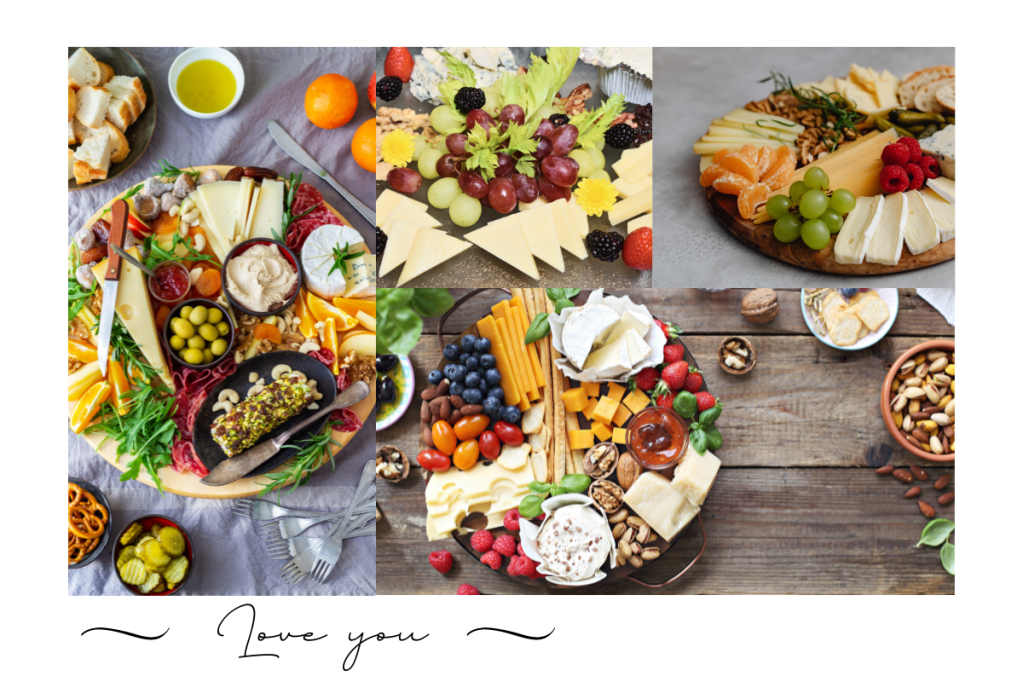
Picking the appropriate cheese is pivotal to a successful cheese platter board. It is paramount to include a variety of textures and types, ranging from supple, semi-soft, complex, and blue cheese. It is also essential to consider your guests’ preferences, from mild to spicy cheese flavors, and arrange the cheese clockwise or counterclockwise, beginning with gentle flavors and escalating to the most robust.
The accompaniments you opt for to complement your cheese can make or break your cheese platter board. Selecting options that accentuate the cheese flavors, such as crackers, bread, fresh fruits, nuts, and meats, is essential. Pairing fruits such as grapes, figs, and apples with cheese will add sweetness, while crackers, bread, and nuts can imbue a subtle savory taste.
Accurate serving sizes and portions are vital for a thriving cheese platter board. Estimate the number of guests and their appetites, aiming to serve about 2-3 ounces of cheese per person, accompanied by great crackers, bread, fruits, and nuts for everyone to relish.
The aesthetic appeal plays a significant role in a cheese platter board. The presentation of the cheese and accompaniments should be visually appealing. Use distinct colors, textures, and heights to create an attractive display. Introduce herbs, flowers, or fresh berries to create a charming visual. Arrange the cheese and accompaniments on the board so guests can readily access them.
The way you slice and present your cheese is critical to the overall aesthetic of your cheese platter board. Utilize a sharp knife or cheese cutter to slice the cheese, ensuring that each slice is of the same thickness. Leave the cheese intact for guests to cut or slice them into bite-size pieces. It is also essential to use different knives for different cheeses to avoid mixing flavors.
Wine and cheese pairing is a classic combination that adds more sophistication to your cheese platter board. Consider pairing red wine with aged cheese and white wine with mild or soft cheese. For instance, Cabernet Sauvignon pairs well with aged cheddar. Beer and cheese pairing is also a fabulous option, with dark beers complementing robust cheese and light beers pairing well with mild or soft cheese. Pale Ale is a delightful choice to pair with Brie cheese.
When creating a cheese platter board, it is vital to consider dietary restrictions. Cater to guests with specific dietary requirements by including vegan cheese, gluten-free crackers, and fruits.
One crucial aspect to remember when creating your cheese platter board is allowing yourself to experiment and be creative. You can introduce new and exciting flavors by adding unique accompaniments like honeycomb, olives, or chutneys. You can also play with different textures by mixing soft, creamy cheese with hard, crumbly cheese.
Another tip to consider is to ensure that you serve your cheese platter board on time. Cheese is best served fresh, so it’s essential to prepare your platter just before your guests arrive. Setting your cheese platter board in a cool area away from direct sunlight is also advisable to ensure the cheese remains at an optimal temperature.
A successful cheese platter board requires attention to detail and a love of cheese. It’s essential to taste and test the cheese and accompaniments to ensure they are of the highest quality. By creating a cheese platter board with care and attention, you can make a memorable culinary experience that your guests will cherish.
Another tip for creating an outstanding cheese platter board is to pair your cheese with appropriate accompaniments. This can include fruit, nuts, crackers, bread, and spreads. When selecting accompaniments, consider flavors that complement or contrast the cheese you’ve chosen, and ensure that you offer a range of options to cater to different tastes and dietary requirements.
Presentation is key when it comes to creating a cheese platter board. Consider using a wooden board or slate platter for a rustic look, or a marble or glass platter for a more elegant presentation. You can also add additional visual interest by arranging your cheese and accompaniments in a visually pleasing way, using different heights and textures to create depth and interest. Lastly, it’s essential to consider the wine pairing when crafting a cheese platter board. A well-chosen wine can elevate the flavors of the cheese and accompaniments, creating a truly memorable experience. Consider consulting with a wine expert to select the perfect wine pairing for your cheese platter board.
When selecting cheese for your platter board, consider visiting a local cheese shop or specialty store. You can also ask the staff for recommendations based on your preferences and the occasion. When presenting your cheese platter board, consider adding small labels or cards that indicate the name of the cheese and any pertinent information, such as the region it comes from or the type of milk used. This can help guests better understand and appreciate the cheese they are trying.
One final tip for creating an exceptional cheese platter board is to experiment with different flavor combinations and textures. Don’t be afraid to mix and match different cheese and accompaniments to find unique and unexpected flavor pairings. For example, try pairing a tangy goat cheese with sweet figs and a drizzle of honey for a delicious and unexpected combination. Or, pair a sharp cheddar with spicy mustard and pickles for a bold and flavorful experience.
Another important aspect to consider when creating your cheese platter board is the size and shape of your board or platter. A large wooden board or slate platter can provide a beautiful backdrop for your cheese and accompaniments, allowing you to create a visually stunning presentation.
It’s also worth considering the type of crackers or bread you offer with your cheese platter board. Choose a variety of options, from plain crackers to breadsticks to sliced baguette, to provide different textures and flavors.
When it comes to arranging your cheese platter board, there are a few things to keep in mind. First, start by placing the cheeses on the board, arranging them in a visually pleasing way. You can also use cheese markers or labels to help guests identify each cheese. Next, add your accompaniments, such as fruits, nuts, and spreads, around the cheese. Group similar items together and spread them out evenly, so guests can easily access them.
To add visual interest, consider adding fresh herbs or flowers to your cheese platter board. This can provide a pop of color and a touch of elegance to your presentation. When it comes to serving your cheese platter board, it’s important to provide guests with the appropriate utensils. Cheese knives, toothpicks, and small plates can all be useful for navigating the different cheeses and accompaniments.
Be sure to replenish your cheese platter board as needed throughout the event. As guests enjoy the different flavors and textures, certain items may run out more quickly than others. By keeping an eye on your cheese platter board and replenishing items as needed, you can ensure that your guests have a delicious and enjoyable experience. One final tip to keep in mind when creating your cheese platter board is to consider the dietary restrictions and preferences of your guests.
To ensure that your cheese platter board is served at the appropriate temperature, be sure to take the cheese out of the refrigerator about 30 minutes before serving. This will allow the cheese to come to room temperature and fully develop its flavors. It’s also important to store your cheese properly before serving. Cheese should be stored in the refrigerator, wrapped in parchment or wax paper to prevent it from drying out. Avoid storing cheese in plastic wrap, as this can trap moisture and lead to spoilage.
One popular method for arranging a cheese platter board is to place the cheeses in a circular or triangular pattern, with the different types of cheese arranged in different areas of the platter. This can help to create a visually appealing and balanced presentation. You can also use different shapes and sizes of cheese knives to add visual interest and variety to the platter. Be sure to include a separate knife for each type of cheese, to prevent the flavors from blending together.
When arranging the accompaniments, consider using small bowls or ramekins to hold items such as spreads or nuts. This can help to keep them contained and prevent them from spreading out and mixing with other items on the platter. Consider adding some decorative elements to the platter, such as fresh herbs or edible flowers. These can add a pop of color and visual interest, while also enhancing the overall flavor and aroma of the cheese platter.
In conclusion, creating a cheese platter board is an enjoyable and delicious way to entertain guests, or to simply enjoy a special treat with friends or family. By selecting a variety of different cheeses, accompaniments, and presentation elements, you can create a visually stunning and delicious cheese platter board that is sure to impress. So why not give it a try and see how creative and delicious you can be with your cheese platter board?
 Hey Singapore