
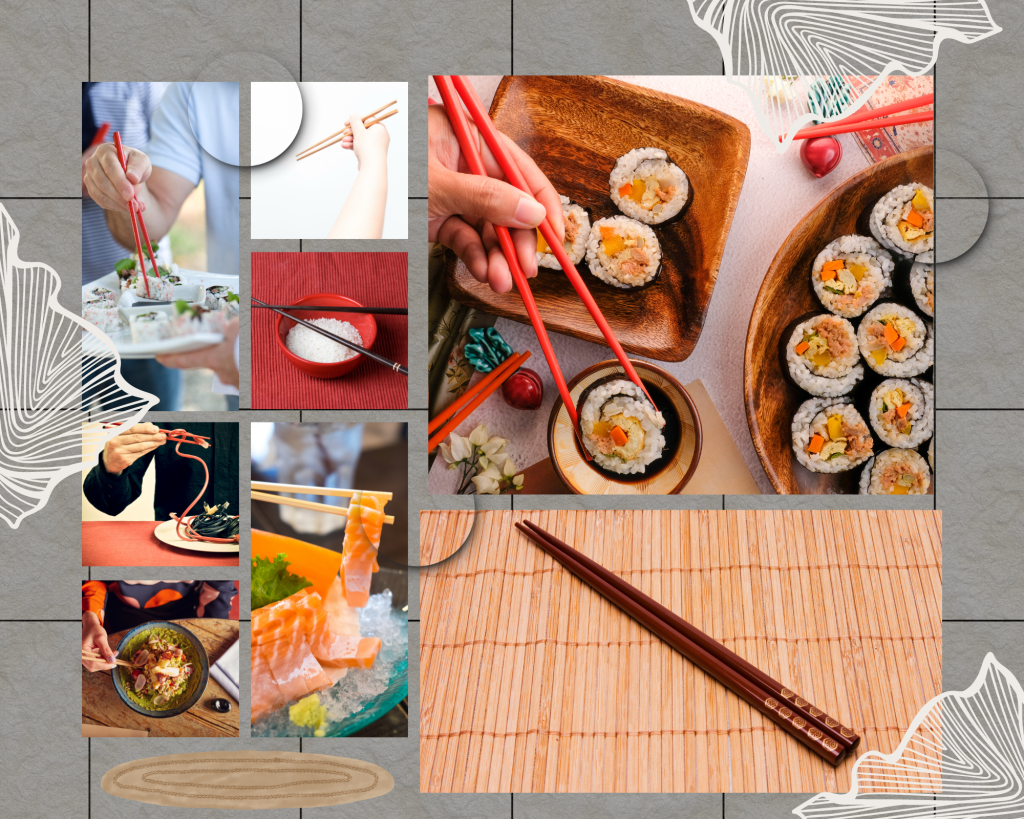
Chopsticks are an essential tool in many Asian countries, including China, Japan, Korea, and Vietnam. They are used for picking up and eating food, and their use is considered an art form in some cultures. However, it is not just about using chopsticks to eat; there are rules of etiquette that should be followed to show respect for the food, the host, and fellow diners.
Here are some essential chopstick etiquette tips to keep in mind:
Don’t cross your chopsticks: This is a significant taboo in many Asian cultures, as it is reminiscent of incense sticks at funerals. Instead, rest them parallel to each other or on a chopstick rest if one is provided.
Don’t use your chopsticks to spear food: This is considered rude and barbaric. Instead, use them to pick up food by sliding them underneath or between pieces.
Don’t point your chopsticks at others: Pointing with chopsticks is considered impolite and aggressive. Instead, use your hand to gesture or verbally indicate what you are trying to say.
Don’t suck on your chopsticks: This is considered rude and unsanitary. If you need to remove a small piece of food stuck on the chopsticks, use a napkin or your fingers.
Don’t play with your chopsticks: Twirling them around, drumming them on the table, or playing with them in any way is considered disrespectful and distracting to others.
Don’t use your chopsticks to pass food directly to someone’s chopsticks: This is considered a bad omen, as it is similar to passing cremated bones during a funeral. Instead, place the food on the person’s plate or use serving utensils.
Don’t hover over dishes while selecting food: This is considered unsanitary, as it can spread germs. Instead, wait your turn and take what you need with your chopsticks.
By following these etiquette tips, you can show respect for the food, the host, and fellow diners, and enjoy your meal in a culturally appropriate manner.
When it comes to using chopsticks, proper hand placement and gripping techniques are essential for successful use. Additionally, there are different styles of chopsticks that can affect how they are held and used.
Proper Hand Placement: Begin by holding one chopstick between your thumb and index finger, about one-third of the way from the top. Place the other chopstick between your index and middle fingers, resting it on your ring finger. The two chopsticks should be parallel to each other, with the tips pointing in the same direction.
Gripping Techniques: There are a few different gripping techniques that can be used, depending on personal preference and the type of food being eaten.
Pinch Method: This is the most common method, where the tips of the chopsticks are used to pinch and hold the food.
Scoop Method: This method involves using the chopsticks to scoop food, similar to using a spoon. This method is often used for rice or soupy dishes.
Split Method: The split method involves splitting one chopstick into two and using them to pick up small or delicate items such as grains of rice or small pieces of sushi.
Chopstick Styles: Chopsticks come in different styles and materials, which can affect how they are held and used.
Chinese chopsticks are usually longer and thicker than Japanese or Korean chopsticks, making them easier to grip.
Japanese chopsticks are shorter and tapered towards the end, making them ideal for picking up smaller pieces of food.
Korean chopsticks are made of metal or flat and often have a decorative pattern on them. They are heavier than other chopsticks and require a looser grip.
In summary, proper hand placement and grip techniques are essential for using chopsticks effectively, and the style of chopsticks used can also affect their use. With practice and patience, anyone can master the art of using chopsticks.
Before using chopsticks, it’s important to ensure they and your hands are clean to avoid contamination and the spread of germs. Here are some tips to follow:
Washing Hands: Before handling chopsticks or any food, it’s important to wash your hands thoroughly with soap and warm water for at least 20 seconds. This will help to remove any bacteria or germs from your hands that could be transferred to the chopsticks or the food.
Cleaning Chopsticks: It’s also essential to ensure that the chopsticks you are using are clean. If they are disposable, unwrap them and use them directly from the package. If they are reusable, wash them with soap and warm water before using them. Be sure to dry them thoroughly before use to prevent any moisture from transferring to the food.
If you are dining at a restaurant, it’s best to use the chopsticks provided rather than bringing your own. However, if you prefer to bring your own chopsticks, ensure they are clean and stored in a clean case or bag to prevent any contamination.
By following these basic cleanliness practices, you can help to prevent the spread of germs and ensure that you and others can enjoy your meal safely and comfortably.
Knowing when to use chopsticks versus utensils and in what setting is important for showing cultural respect and etiquette. Here are some guidelines to follow:
A. Chopsticks vs. Utensils: In many Asian cultures, chopsticks are the primary eating utensil and are used for most meals. However, in some situations, it may be more appropriate to use utensils, such as when eating soup or a dish with many small components. If utensils are provided, it’s best to follow the lead of your hosts or dining companions.
B. Formal vs. Casual Occasions: The use of chopsticks can also vary depending on the formality of the occasion. For formal events such as weddings or banquets, it’s important to use chopsticks and follow proper chopstick etiquette to show respect for the host and other guests. However, in more casual settings such as at home or with close friends, using chopsticks may not be necessary, and utensils may be used instead.
It’s also important to note that chopsticks may not be suitable for all types of cuisine. For example, in Indian or Middle Eastern cuisine, it may be more appropriate to use utensils or even your hands.
In summary, the use of chopsticks versus utensils and in what setting can vary depending on cultural and formal expectations. It’s essential to follow the lead of your hosts or dining companions and be respectful of cultural traditions.
Sharing chopsticks is common practice in many Asian cultures, but there are rules and considerations to keep in mind for proper etiquette and hygiene. Here are some do’s and don’ts to follow when sharing chopsticks:
A. Do’s and Don’ts:
Do pass food to others using the end of your chopsticks, placing it onto their plate or bowl.
Don’t use your chopsticks to point or gesture at others, as this is considered impolite.
Do use the opposite end of your chopsticks to pick up food from a shared dish, as this prevents the spread of germs.
Don’t stick your chopsticks vertically into a bowl of rice or other food, as this is a symbol of death in many Asian cultures.
Do wait for others to finish using the chopsticks before using them yourself.
B. Hygiene and Safety Concerns:
It’s important to be mindful of hygiene and safety when sharing chopsticks. If someone is sick or has a cold, it’s best to avoid sharing chopsticks with them to prevent the spread of germs.
If possible, use separate chopsticks for each dish to prevent cross-contamination and ensure proper hygiene.
If sharing chopsticks is not possible or hygienic, consider using serving utensils or disposable chopsticks.
Be mindful of food allergies or dietary restrictions when sharing chopsticks and avoid cross-contamination by not using them to pick up foods that may trigger an allergic reaction.
By following these do’s and don’ts and being mindful of hygiene and safety concerns, you can ensure proper chopstick etiquette when sharing with others.
Using chopsticks can be a bit challenging for beginners, but it’s important to avoid common mistakes to show respect for the culture and practice proper chopstick etiquette. Here are some common mistakes to avoid when using chopsticks:
A. Pointing Chopsticks: It’s impolite to point with your chopsticks or use them to gesture at others. This is considered rude in many Asian cultures and should be avoided.
B. Licking or Biting Chopsticks: Licking or biting your chopsticks is considered unhygienic and inappropriate. It’s best to keep your chopsticks clean and dry when not in use.
C. Crossing Chopsticks: Crossed chopsticks are considered a symbol of bad luck or death in many Asian cultures, so it’s best to avoid this practice.
D. Other Taboos: In addition to the above, there are other taboos to keep in mind when using chopsticks. These include spearing food with your chopsticks, waving them around, or using them to dig through a dish to find a specific ingredient.
Remember, chopsticks are not just utensils, but also symbols of cultural heritage and tradition. By avoiding these common mistakes, you can show respect for the culture and demonstrate proper chopstick etiquette. Practice makes perfect, so keep practicing and you’ll be a chopstick pro in no time!
 Hey Singapore