
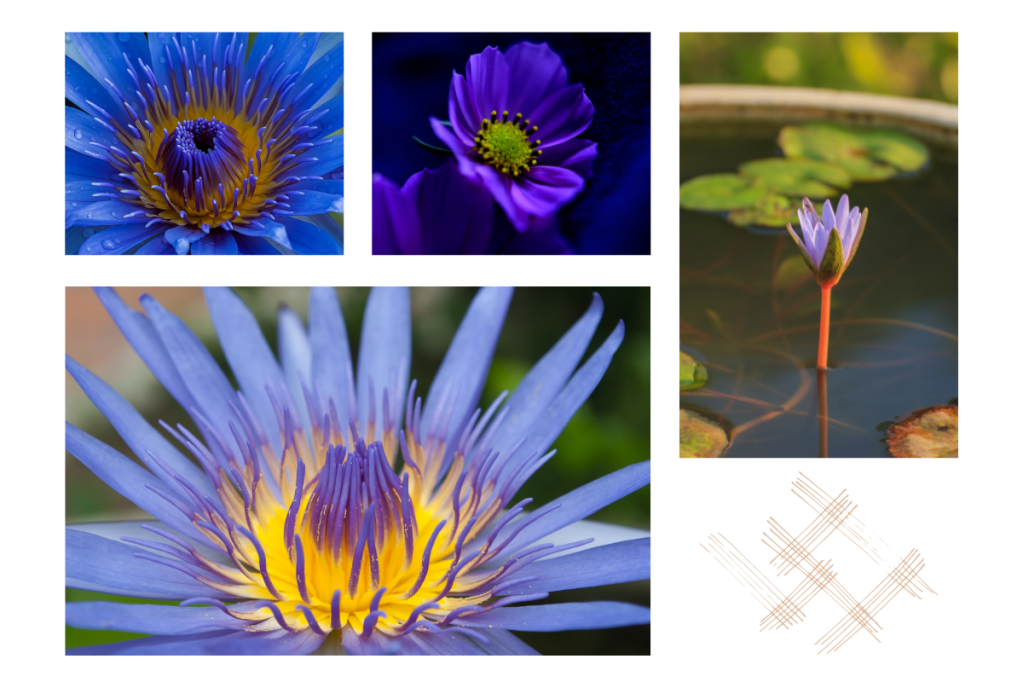
Discover the ancient natural remedy of Blue Lotus Flower, a rare botanical treasure. Relieve stress and insomnia with its potent properties.
Understanding the Connection Between Stress and Insomnia
Millions of individuals throughout the world suffer from insomnia, a sleep ailment that has been linked to excessive stress. One definition of stress is the activation of the body’s “fight or flight” reaction in response to a perceived threat. Hormones like cortisol and adrenaline are released in reaction to stress, and they can make it difficult to get to sleep and remain asleep.
There is substantial evidence between stress and sleeplessness. Those who reported higher levels of stress were also more likely to have trouble getting to sleep and remaining asleep, according to one research. Those who were under constant emotional or mental strain were also more likely to have sleep problems, according to another study. Stress-related daytime symptoms including irritation, trouble focusing, and weariness are also more common in persons who suffer from insomnia.
The good news is that there are several strategies available for lowering stress and enhancing the quality of your sleep. Cognitive-behavioral therapy (CBT) is a successful strategy because it focuses on retraining one’s brain to think more constructively about stressful and sleep-depriving situations. Mindfulness meditation is another approach; it helps individuals live in the here and now while learning to accept their feelings and ideas as they are. Stress and sleep quality can benefit from a combination of regular exercise and a balanced diet.
The Science Behind the Blue Lotus Flower’s Anti-Anxiety Effects
Blue lotus flower, or Nymphaea caerulea, has been utilized for millennia due to its calming effects in alternative medicine. The plant’s aporphine alkaloids, nuciferine, and flavonoids have all been found to have a sedative impact on the central nervous system and the brain.
The GABAergic system in the brain appears to be the target of the Blue Lotus flower’s therapeutic effects. Anxiety-provoking chemicals like dopamine and glutamate are blocked by the GABAergic system. The neurotransmitters’ activity is dampened and a sense of calm is brought on by the active components in the Blue Lotus flower, which stimulate GABA release in the brain.
The Blue Lotus flower has been demonstrated to have several health advantages, including its ability to reduce anxiety. It has been tried for many different purposes, including as a painkiller, a digestive aid, and a brain booster. Antioxidant and anti-inflammatory qualities have been discovered in the plant as well, suggesting it may offer protection against cancer and cardiovascular disease.
When it comes to treating anxiety and stress, the Blue Lotus flower shows great promise as a natural treatment. Early trials show it may be a safe and effective alternative to conventional drugs for anxiety, but additional study is needed to confirm this.
The Blue Lotus Flower’s Potential as a Sleep Aid
Millions of individuals all around the world suffer with insomnia, a sleep problem. While there are a number of drugs that have been shown to be effective in treating insomnia, many of them also have undesirable side effects, such as addiction and daytime sleepiness. Yet, the calming qualities of the Blue Lotus flower have made it a popular traditional medicine ingredient for generations.
The Blue Lotus flower has been found to help people relax and fall asleep, according to studies. Several of the plant’s active chemicals, such aporphine alkaloids, nuciferine, and flavonoids, have been demonstrated to help people relax and fall asleep. These chemicals suppress the wake-inducing neurotransmitters dopamine and glutamate by boosting the production of the GABA that regulates their action.
Early investigations on the Blue Lotus flower’s effects on sleep show it may be a viable natural alternative to traditional sleep medicines, but further study is needed to confirm these findings. The herb has been proven to offer a number of health advantages, including the reduction of anxiety and inflammation, in addition to its sedative effects. Nonetheless, the Blue Lotus flower should be taken with caution because it may interfere with other drugs.
Blue Lotus Flower vs. Conventional Sleep Medications: A Comparative Analysis
Insomnia is often treated with tried-and-true sleep aids like benzodiazepines and other non-benzodiazepine drugs. Despite their success in putting people to sleep, these drugs have a number of drawbacks, including dependency, daytime sleepiness, and memory loss. Yet, the Blue Lotus flower is a natural sleep aid that might be a safer and more effective alternative to traditional sleep drugs.
Unlike other sleeping pills, the Blue Lotus flower does not lead to dependency or withdrawal. Withdrawal symptoms are a common side effect of stopping the usage of standard sleep medicines like benzodiazepines. On the other hand, the Blue Lotus flower is an all-natural treatment that does not lead to the same addiction.
The fact that the Blue Lotus flower doesn’t leave you feeling sleepy during the day is another way in which it excels above more traditional sleep aids. The next-day sleepiness caused by many traditional sleep drugs, including non-benzodiazepines, might impair cognitive performance and raise the risk of accidents. Yet, research has shown that the Blue Lotus flower can help people get a good night’s sleep without making them sleepy throughout the day.
In conclusion, the Blue Lotus flower shows promise as a natural sleep help, and it may be a safer and more effective option than pharmaceutical sleep aids. Early trials show it may be a safe and effective choice for persons suffering from insomnia, while additional study is needed to fully understand its effects and any negative effects. Even though the Blue Lotus flower may help you sleep, it’s best to talk to your doctor before trying it or any other natural sleep aid.
The Right Dosage and Methods of Consuming Blue Lotus Flower for Maximum Benefits
The calming and soothing properties of the Blue Lotus flower have made it a staple of traditional medicine for generations. While it has a high safety profile, getting the most out of the plant while minimizing any negative effects requires knowing how much and how to take it.
Tea made from Blue Lotus flowers is a popular way to enjoy this flower’s health benefits. To prepare Blue Lotus tea, just soak the dried flowers in boiling water for a few minutes, filter, and enjoy. The recommended daily intake of Blue Lotus flower for tea ranges from 5-10 grams, however this can be adjusted based on the person. Side effects like nausea and dizziness can be avoided by starting with a lower dosage and gradually increasing it.
In addition to its edible properties, the Blue Lotus flower may also be smoked. Although smoking the plant isn’t as widespread as drinking tea made from it, it can provide a faster start of benefits. Many people like different amounts, but a typical dose for smoking the herb is between half a gram and one gram. Some of the active components in the plant may be destroyed by heat, so it’s possible that smoking the plant won’t be as beneficial as drinking tea made from it.
Ultimately, getting the most out of the Blue Lotus flower and minimizing any negative effects requires knowing the proper dosage and preparation process. If you have a medical problem or are on any drugs, it is best to talk to a doctor before using this plant.
The Cultivation and Harvesting of Blue Lotus Flower: An Overview
The Nymphaea caerulea, or Blue Lotus, is a species of water lily that may be found in Egypt and other African countries. For thousands of years, people have been growing this plant for its medicinal value and for use in rituals. Even now, countries like Thailand and India continue to grow the plant for its cultural and therapeutic value.
The seeds of the Blue Lotus flower must first be planted in a container or shallow pool of water. It may take many months for the plants to mature if they are not given warm water and lots of sunshine. When the blooms are at their peak, they are picked by hand and sun-dried.
It takes careful hands and close attention to detail to successfully pick Blue Lotus flowers. Flowers are harvested first thing in the morning, just as they begin to open, for optimum potency. It takes many days of drying time in the sun once the blooms have been harvested and properly isolated from the plant. If the flowers are dried first, they can be kept for subsequent use or sold to retailers and wholesalers.
The overall process of growing and collecting Blue Lotus flowers is lengthy and laborious. Nonetheless, the plant’s cultural and therapeutic value makes it a sought-after product in several regions of the world. For the plant’s cultivation not to negatively affect the environment or the individuals engaged in its production, it must be obtained and grown in an ethical manner.
The Chemical Composition of the Blue Lotus Flower and Its Active Compounds
The calming and soothing properties of the Blue Lotus flower, or Nymphaea caerulea, have been recognized for millennia. Aporphine alkaloids, flavonoids, and terpenoids are only some of the active components in the plant that contribute to its medicinal effects. The chemical make-up of the Blue Lotus flower and its active components can provide light on the plant’s mechanism of action and usefulness.
The Blue Lotus contains aporphine alkaloids, a class of chemicals that may be found in a number of different plant species. The biological functions of these substances have been studied and found to include sedation, pain relief, and inflammation reduction. Aporphine alkaloids isolated from the Blue Lotus flower were discovered to have calming effects in rats, suggesting its potential as a natural cure for sleep problems. This research was reported in the Journal of Ethnopharmacology.
Flavonoids are a class of chemicals found in a broad variety of plants and have been associated with a number of health benefits. There are a number of flavonoids in the Blue Lotus flower, including apigenin and nuciferine, both of which have been found to have calming and anxiety-relieving benefits. The potential of Blue Lotus flower extract including apigenin and nuciferine as a natural medicine for anxiety disorders was demonstrated in a research published in the Journal of Ethnopharmacology.
Terpenoids, a class of chemicals present in many plants, have been demonstrated to exhibit several biological actions. They include anti-inflammatory, antioxidant, and antibacterial properties. Terpenoids like beta-pinene and limonene, found in the Blue Lotus flower, have been linked to relaxing and relieving effects in studies. Blue Lotus flower essential oil, which was shown to contain beta-pinene and limonene in a research published in the Journal of Natural Medicines, was found to have sedative effects on rats.
Many chemical components in the Blue Lotus flower have been shown to have calming, soothing, and anti-inflammatory properties. The plant’s potential as a natural cure for sleep and anxiety problems can be better understood by delving into its chemical composition and active components. However further study is needed to fully grasp the medicinal potential of the Blue Lotus flower and its active components.
 Hey Singapore