
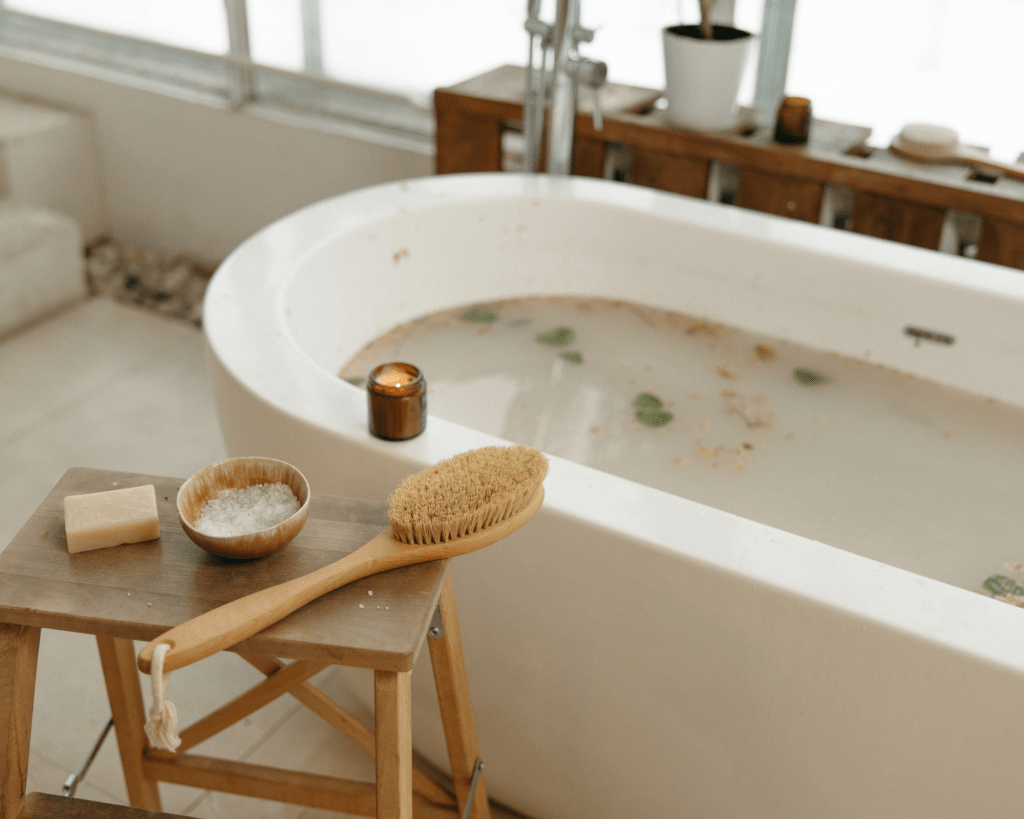
Bathtubs, for instance, serve not only as utilitarian fixtures but also as sanctuaries for relaxation and self-care. They provide a respite from the stresses and worries of daily life and offer a venue for rejuvenation and revitalization.
The cost of a bathtub can fluctuate based on numerous factors, with the type of bathtub being the primary influencer. Whether it’s a built-in, freestanding, corner, drop-in, or walk-in bathtub, each variation comes with a distinct price tag, with freestanding and walk-in models typically being the most expensive.
Moreover, the material used in the bathtub’s construction is another key factor that affects its price. Acrylic, fiberglass, porcelain enameled steel, cast iron, and solid surface materials all have unique price points, with cast iron and solid surface options generally being the most costly.
Apart from the aforementioned factors, the bathtub’s brand, size, shape, and extra features and accessories can all impact its overall cost. A larger bathtub with additional amenities and accessories, for instance, will undoubtedly be more expensive than a more modest, stripped-down counterpart.
This article’s purpose is to furnish readers with an extensive guide to bathtub prices in Singapore, enabling them to comprehend the different elements that determine the cost of a bathtub and to make informed decisions when purchasing one. By scrutinizing the various types and materials of bathtubs and exploring the price range for bathtubs in Singapore, we aim to equip readers with the knowledge they need to acquire the perfect bathtub for their preferences and budget.
Ultimately, bathtubs’ importance lies not only in their practical function but also in their potential to promote well-being and relaxation. By discerning the factors that influence bathtub prices, readers can make judicious purchases and invest in a fixture that will provide them with an oasis of tranquility and rejuvenation for years to come.
Basic Types of Bathtubs
The bathtub, a ubiquitous feature of many homes, is a prime example of an object that possesses hidden complexities. In this article, I will explore the fundamental types of bathtubs, providing readers with a thorough understanding of the diverse range of options available.
Firstly, built-in bathtubs are the most prevalent kind of bathtub found in domiciles across the globe. These bathtubs are typically integrated into a niche or alcove within the bathroom’s structure and can be constructed from a variety of materials, such as fiberglass, acrylic, or porcelain-enameled steel. They are obtainable in a variety of shapes, including rectangular, oval, and corner designs.
Secondly, freestanding bathtubs exude opulence and refinement, adding a touch of luxury to any bathroom. These bathtubs are not connected to any walls and can be placed anywhere within the room, providing more design and layout flexibility. They can be crafted from materials such as cast iron or solid surface materials and are available in a wide range of shapes, including circular, rectangular, and oval designs.
Thirdly, corner bathtubs are a prevalent option for those seeking to optimize bathroom space. These bathtubs are specially designed to fit snugly into the corner of the room, freeing up more floor space while still offering a generous and comfortable bathing experience. They come in a variety of shapes and sizes and can be made from materials such as fiberglass, acrylic, or porcelain-enameled steel.
Fourthly, drop-in bathtubs are a unique alternative that can add a sleek and contemporary aesthetic to any bathroom. These bathtubs are installed by “dropping” them into a deck or platform, producing a seamless appearance that blends in with the surrounding bathroom fixtures. They can be fashioned from materials such as acrylic or solid surface materials and are available in a variety of shapes and sizes.
Lastly, walk-in bathtubs are an ideal choice for those who require greater accessibility due to physical limitations or disabilities. These bathtubs feature a door that enables easy entry and exit, eliminating the need to climb over the tub’s side. They can be made from materials such as fiberglass or acrylic and come in a variety of sizes and shapes.
Comprehending the fundamental types of bathtubs is crucial when selecting the ideal fixture for your bathroom. Whether you desire a classic built-in model or a luxurious freestanding tub, the possibilities are endless. By exploring the various kinds of bathtubs available, readers can make informed decisions that satisfy their practical requirements and aesthetic preferences.
Material Options for Bathtubs
One such object is the bathtub, an indispensable household fixture that can be made all the more exceptional through the use of high-quality materials. In this piece, I shall expound on the various material options available for bathtubs, providing readers with a comprehensive understanding of the abundant selection.
Primarily, cast iron bathtubs are a timeless and exquisite option, favored for their sturdiness, durability, and elegant aesthetics. Cast iron is a weighty, robust material that retains heat with admirable proficiency, allowing for a truly relaxing and rejuvenating bathing experience. While these bathtubs require occasional upkeep to prevent rusting, they are renowned for their longevity and ageless appeal.
Next, acrylic bathtubs are a versatile and widely sought-after option, appreciated for their ease of maintenance, lightweight construction, and resistance to scratches and stains. Acrylic is a synthetic material renowned for its strength and pliability, making it perfect for creating bathtubs of various shapes and sizes, thereby facilitating custom designs. The vast array of colors, patterns, and finishes available further adds to their appeal, providing unparalleled aesthetic flexibility.
Thirdly, fiberglass bathtubs are a cost-effective option, offering great value for money without compromising on quality or durability. This lightweight, sturdy material is easy to install and maintain and is available in a variety of sizes and shapes, rendering it ideal for individuals seeking design flexibility.
Fourthly, porcelain-enameled steel bathtubs are a budget-friendly and low-maintenance option that offers a classic, sophisticated appeal. The enamel coating on steel is durable and resistant to chips and stains, making it ideal for those seeking an elegant and long-lasting option. These bathtubs are also available in a range of sizes and shapes and can be painted to match any bathroom decor.
Finally, solid surface bathtubs are a luxurious and high-end option, perfect for those seeking unparalleled customization options and durability. Solid surface materials such as cultured marble or quartz are non-porous, resistant to scratches, chips, and stains, and can be molded into any desired shape or size. These bathtubs are the ultimate choice for those seeking a truly bespoke bathing experience.
In conclusion, choosing the right material for your bathtub is a vital consideration when designing your ideal bathroom. Whether you prefer the classic, elegant look of cast iron, the versatility of acrylic, the affordability of fiberglass, the sophistication of porcelain-enameled steel, or the luxury of solid surface materials, the options available are extensive. By exploring the range of materials and their unique features, readers can make informed decisions that satisfy both their practical requirements and aesthetic tastes.
Factors That Affect Bathtub Singapore Price
The cost of a bathtub is subject to numerous factors, each playing an integral role in determining the final price. The primary determinants include the bathtub’s material composition, size, shape, add-ons, and enhancements, as well as the prestige of the brand. Scrutinizing these determinants can arm consumers with the knowledge required to make informed purchasing decisions, thereby guaranteeing that they receive the maximum value for their investment.
Tips for Buying Bathtubs in Singapore
When selecting a bathtub, several key factors should be taken into account, including available space, material composition, shape, budget, and brand reputation. By conducting thorough research, considering practical requirements, and selecting a reputable brand and supplier, individuals can confidently make a sound investment that aligns with their unique preferences and needs.
Conclusion
When it comes to selecting a bathtub in Singapore, it is clear that practical considerations such as space, material, shape, budget, and brand reputation are key factors to consider. However, the process of purchasing a bathtub is not solely transactional, as it is an emotional and personal choice that reflects one’s unique taste and style.
By prioritizing practical concerns and conducting thorough research, individuals can confidently choose a bathtub that aligns with their unique preferences and needs. From a luxurious soaking tub to a sleek modern design, the right bathtub can provide a space to unwind and relax. Remember to choose a reputable supplier, and most importantly, select a bathtub that embodies your individuality.
In conclusion, purchasing a bathtub in Singapore need not be a daunting experience. By following the advice and tips outlined in this article, individuals can make informed decisions that ensure the selection of a bathtub that is both practical and reflective of their personal style.
 Hey Singapore