
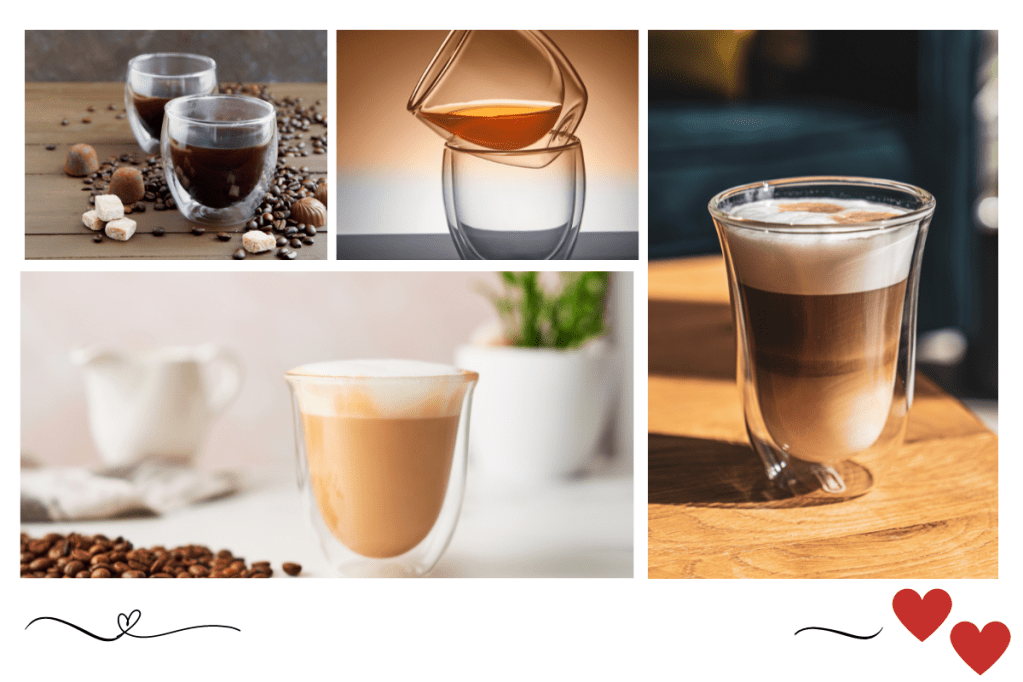
Throughout the centuries, the contours and dimensions of drinking glasses have been honed to optimize the imbibing experience of diverse potables. These archetypal shapes and sizes are consequential because they fulfill a utilitarian purpose that can significantly impact the flavor, scent, and appearance of the beverage being consumed.
For instance, wine goblets exhibit a unique configuration that permits the connoisseur to savor the aroma and essence of the wine to its fullest potential. The structure of the glass enables the wine to aerate in an ideal manner, thereby unleashing its optimal character. Similarly, beer mugs are crafted to elevate the taste and bouquet of different varieties of beer, be it stout, pilsner, or IPA.
In addition to their functional attributes, the classic contours and dimensions of drinking glasses also engender aesthetic components that heighten the overall imbibing experience. The appropriate glassware can augment the visual appeal of the beverage, rendering it more enticing and captivating.
By and large, the classic shapes and sizes of drinking glasses are critical since they contribute to the comprehensive imbibing experience by amplifying the savor, scent, and display of the beverage in question.
The tumbler, an unassuming cylindrical drinking glass, boasts a subtle charm that belies its pragmatic nature. Typically forged from glass, this versatile vessel can also be constructed from a plethora of other materials. Holding between 8 to 12 ounces of fluid, its distinguishing hallmark lies in its austere design, which is bereft of any stem or foot.
Despite its simplicity, the tumbler is a multi-functional marvel that is well-suited for a wide spectrum of potables, ranging from water and juice to blended drinks and libations. Its straight sides afford it an innate convenience, facilitating effortless stacking, storage, and sanitation, rendering it a favored choice for both domestic and commercial use.
The tumbler comes in an array of styles and designs, with some evincing decorative patterns or embellishments on the surface of the glass. Variants may feature a slightly tapered outline or a weightier foundation, enhancing stability and utility.
The tumbler finds extensive application in diverse domains such as domestic, culinary, and gastronomic sectors. It is a ubiquitous choice for beverages that do not require a specific glassware, including non-alcoholic beverages such as water and sodas, as well as mixed drinks and cocktails. Moreover, its resiliency makes it a favored pick for outdoor occasions, less prone to fracturing or breaking when exposed to untoward conditions.
All in all, the tumbler’s innate simplicity and practicality are offset by its understated elegance, rendering it an unpretentious yet indispensable fixture in the world of glassware.
Behold the highball, a lofty, narrow glassware befitting the role of the distinguished cocktail, crafted to deliver maximum pleasure to the imbiber. This tall, sleek glassware is graced by straight sides and an ample size, able to accommodate 8 to 12 ounces of nectar. The highball glass can be fashioned from glass or crystal, though it can also be forged from alternative materials like plastic.
The verticality of the highball glass is its defining feature, as its height allows for the accommodation of a substantial quantity of ice, which acts as a coolant without significantly weakening the concoction. The straight-sided, stately structure facilitates effortless stirring and mixing, while the generous size is perfect for a bountiful serving.
Another characteristic of the highball glass is its multifaceted functionality, an attribute that renders it suitable for a broad array of cocktails and mixed drinks, ranging from basic yet elegant drinks like gin and tonic to the more intricate, flamboyant Long Island iced tea. The uncomplicated design and large size of the glass also make it a prevalent choice for non-alcoholic beverages, such as soda and juice.
The highball glass is commonly deployed for the purpose of serving cocktails and mixed drinks, both in homes and commercial settings. It is frequently sighted in bars and restaurants, used to present elixirs like the mojito, margarita, and whiskey sour. The highball glass is also favored for outdoor events and gatherings, as its vertical stature and narrow width make it far less susceptible to tipping or spilling.
Ultimately, the highball glass is a versatile and pragmatic drinking vessel that is ideally suited for an extensive array of cocktails and mixed drinks. Its lofty, narrow structure, commodious size, and elementary design render it a popular choice for both casual and formal settings.
The martini glass, a regal and refined stemmed glass, stands as an emblematic symbol of cocktail culture. With its sleek and slender stem and wide, cone-shaped bowl, it is the quintessential vessel for serving the classic martini, a potent elixir that has long been associated with high society and luxury. Typically crafted from glass or crystal, the martini glass is an exquisite work of art that embodies the spirit of elegance and sophistication.
The martini glass’s most bangin’ feature is its lit shape, crafted to hold a small amount of liquid, usually no more than 4 to 6 ounces. This sick design lets the cocktail chill without being too watery from melting ice. And the slim, long stem helps to keep the drink’s temperature just right by stopping the hand’s heat from transferring to the bowl.
The martini glass ain’t just for serving cocktails, it’s a symbol of class and sophistication, exuding an aura of elevated style and boujee taste. Its iconic design and timeless elegance have made it a sought-after choice for fancy events and special occasions. And while it’s commonly associated with classic cocktails, the martini glass has become a playground for modern mixologists and bartenders, who use it to showcase their innovative and creative cocktails.
The martini glass is a cherished relic of the imbibing world, a must-have for all upscale watering holes across the globe. From timeless cocktails like the cosmopolitan, Manhattan, and daiquiri, to contemporary libations, the martini glass remains a stalwart for bartenders seeking to tantalize their patrons’ palates. This iconic drinking vessel is synonymous with cocktail culture, evoking a sense of grandeur and refinement for celebratory events, weddings, and other momentous occasions. Whether sipped in the comfort of one’s abode or the opulence of a lavish fête, the martini glass is an adaptable and chic accessory that screams glamour and sophistication.
The champagne flute, a marvel of modern design, is a slender and graceful stemware built for the sole purpose of enhancing the pleasure of sipping champagne or any other sparkling wine. Its elongated and tapered bowl is a sight to behold, gently holding the sparkling elixir and showcasing its effervescence in a visually stunning way. This delicate and luxurious glassware, crafted from a range of exquisite materials like crystal or glass, adds a touch of elegance and sophistication to any occasion, although it can also be fashioned out of unconventional materials such as plastic to fit a more daring or avant-garde aesthetic.
One of the most prominent features of the champagne flute is its slender shape. Its sleek and narrow bowl has been ingeniously crafted to preserve the delicate bubbles of the wine by minimizing its exposure to air. The slim profile also facilitates the wine’s bouquet to be fully expressed, allowing the drinker to appreciate the variegated notes of the champagne’s aroma.
Additionally, the champagne flute exudes elegance and extravagance, which have been emblematic of revelry and luxury for ages. The refined and exquisite design of the glass resonates with both formality and festivity, making it a coveted choice for special occasions and celebrations. The champagne flute is also frequently employed for ceremonial toasting, as the slim design of the glass facilitates effortless clinking without any spillage.
Commonly used for serving champagne and other effervescent wines, especially during grandiose and formal affairs, the champagne flute is a go-to glassware in bars, restaurants, and hotels. In addition to champagne, it is also used for serving classic cocktails like the French 75 and Kir Royale, as well as for other celebratory events like weddings, graduations, and galas. Furthermore, the champagne flute is an all-time favorite for intimate gatherings, dinner parties, and the like.
In conclusion, the champagne flute is a perfect vessel for serving champagne and other effervescent wines with élan and poise. Its long and slender structure, delicate material, and graceful construction make it an ideal choice for both commercial and private use.
The wine glass, an esteemed and venerable stemmed glassware, is tailor-made for serving wine in all its glory. It is defined by its rounded or tulip-shaped bowl, which facilitates aeration of the wine and amplifies its olfactory dimensions, while its stem provides a means to hold the glass without compromising the wine’s temperature. The wine glass is usually fashioned from glass or crystal, although alternative materials, including plastic, are also employed in its creation.
The bowl of the wine glass is a principal feature that shapes the wine’s presentation, which can vary depending on the type of wine being poured. Red wines typically assume a rounded bowl while white wines are best served in tulip-shaped ones. The bowl, through its design, enables the wine to be swirled, thereby promoting the full release of its fragrance and flavor.
Moreover, the wine glass’s stem serves as a crucial component in upholding the wine’s temperature. By gripping the stem, one avoids warming the wine with body heat, thereby maintaining its optimal temperature, and preserving the wine’s character, flavor, and bouquet. The stem also imparts an air of sophistication and grace to the act of drinking wine.
The wine glass finds a broad range of uses, from serving red, white, rose, champagne, and dessert wines, with different types of wines calling for specific sizes and shapes of wine glasses. Large bowls, for instance, are more suitable for red wines, while small bowls are best for white wines. The wine glass is ubiquitous in formal and informal settings, spanning restaurants, wine bars, home entertainment, and dinner parties.
In sum, the wine glass, with its graceful and polished design, provides a platform for a sensory and experiential encounter with wine. Its bowl and stem intricacies enhance the wine’s appearance, aroma, and flavor while making a refined and chic impression in a diverse array of settings.
 Hey Singapore