
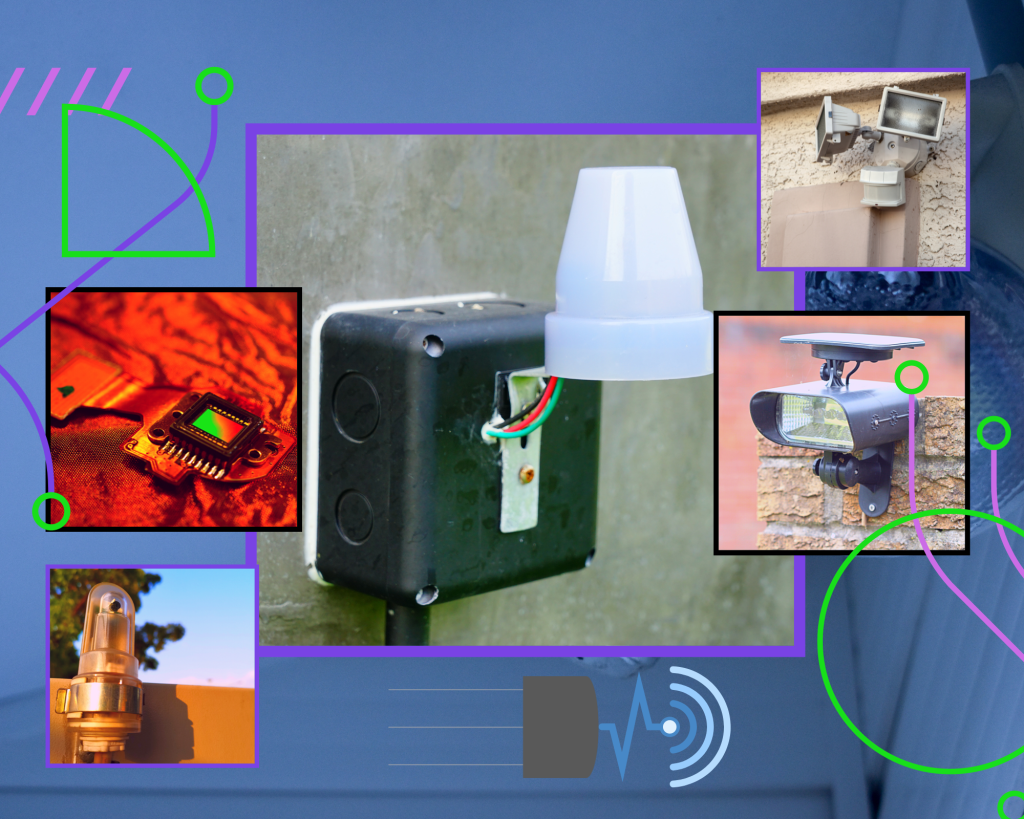
LED Sensor Light is a lighting technology that seamlessly combines sensor technology and light-emitting diodes (LEDs) to provide a practical and energy-efficient lighting solution. These lights activate automatically when motion is detected or when ambient light levels fall below a particular threshold, making them suitable for both indoor and outdoor use.
This article aims to delve into the numerous advantages of LED sensor lights and explain why they are an outstanding choice for those seeking an affordable and dependable lighting solution. Additionally, the article seeks to provide a comprehensive guide on choosing, installing, and maintaining LED sensor lights.
This write-up will explore various aspects of LED sensor lights, such as the technology behind them, their benefits, types, and critical factors to consider when selecting one. It will also delve into the installation and upkeep of LED sensor lights, offering readers insightful tips on maintaining their lights in peak condition.
Benefits of LED Sensor Light
Energy Efficiency
LED sensor lights boast impressive energy efficiency that distinguishes them from traditional lighting solutions such as incandescent bulbs. They consume significantly less energy, which results in reduced electricity bills and a greener environment. These lights utilize advanced technology that enables them to regulate the light output based on ambient light levels, resulting in even more significant energy savings.
Longevity
LED Sensor Light has an impressive lifespan that surpasses traditional lighting solutions. They can last up to 25 times longer than incandescent bulbs, which reduces the need for frequent replacements and ultimately lowers maintenance costs.
Environmentally Friendly
LED sensor lights are also an eco-friendly lighting solution due to their energy efficiency and longer lifespan. These lights do not contain hazardous materials such as mercury, which is commonly found in fluorescent bulbs, and their lower energy consumption translates to a reduced carbon footprint.
Convenience
LED Sensor Light provides unparalleled convenience, especially in areas like garages, hallways, and staircases. They turn on automatically when motion is detected or when the ambient light levels drop, eliminating the need for manual switches. This feature is particularly useful in households with young children, the elderly, or people with disabilities who may find it challenging to navigate in low light conditions.
How the LED Sensor Light Functions
Explanation of Sensor Technology
The LED sensor light is an innovative lighting system that operates using advanced sensor technology. These sensors use various technologies, such as infrared, ultrasonic, and microwave, to detect motion or alterations in light levels in the environment. When a sensor detects any change, it transmits a signal to the LED light, which immediately turns on.
Description of LED Light Technology
The LED light employed in this lighting system is a semiconductor device that illuminates when an electric current passes through it. Unlike conventional incandescent bulbs, LED lights do not employ filaments that tend to wear out quickly. Instead, they utilize solid-state technology that facilitates their efficient operation and extended lifespan.
How the Two Technologies Work in Harmony
The sensor technology in the LED sensor light interacts with the LED light technology to regulate when the light turns on and off. Upon detecting motion or changes in light levels, the sensor transmits a signal to the LED light, which then turns on automatically. The LED light technology employs sophisticated control mechanisms to adjust the light output according to the environment’s conditions, thus delivering increased energy efficiency and convenience.
Different Varieties of LED Sensor Light
Outdoor LED Sensor Light
The Outdoor LED Sensor Light is tailor-made for use in outdoor spaces, such as gardens, patios, and driveways. These lights are built to withstand harsh weather conditions and are available in various styles and designs to suit diverse preferences.
Indoor LED Sensor Light
The Indoor LED Sensor Light is ideal for installation in indoor spaces, such as hallways, staircases, and closets. These lights are designed to turn on automatically when motion is detected or when the light levels decrease, providing effortless and energy-efficient lighting solutions.
Motion Sensor LED Light
The Motion Sensor LED Light incorporates sensors that detect motion in the surrounding environment, resulting in the light’s automatic activation. These lights are perfect for use in areas such as garages, basements, and outdoor spaces.
Light Sensor LED Light
The Light Sensor LED Light employs sensors that detect fluctuations in light levels in the environment, leading to automatic activation of the light. These lights are ideal for use in areas where light levels tend to fluctuate, such as hallways and staircases.
Factors to Consider When Choosing LED Sensor Light
Allocation
When selecting an LED sensor light, it is crucial to consider the location of the installation. Outdoor lights should be weather-resistant and durable enough to withstand the harshest conditions, while indoor lights should be designed to complement the interior décor.
Power Source
LED sensor lights are available in both battery-powered and hard-wired options. It is essential to choose the appropriate power source that suits the installation location and personal preference.
Brightness and Color Temperature
The brightness and color temperature of the LED sensor light are crucial factors to consider when selecting the appropriate light. It is vital to choose a light that provides the correct amount of brightness and color temperature to suit the intended use.
Sensor Range and Sensitivity
The range and sensitivity of the sensor technology in the LED sensor light determine its effectiveness in detecting motion and changes in light levels. It is crucial to choose a light that offers the appropriate range and sensitivity for the intended use.
LED Sensor Light Installation
Preparation for Installation
Before beginning the LED sensor light installation process, it is crucial to prepare the area and gather all the necessary tools. This step is critical as it ensures that the installation process is smooth and trouble-free. Pre-installation preparation includes inspecting the installation area to ensure it is clean, dry, and free from debris or obstructions. This process helps prevent potential accidents during the installation process.
Step-by-step Installation Process
The installation process of LED sensor lights requires a strategic approach to ensure that the lights are installed correctly and function optimally. First, the installation location must be identified, and then the mounting bracket should be attached to the area using screws or adhesives. Once the bracket is in place, the LED sensor light should be connected to the bracket, and the wiring should be connected to the power source. Finally, the LED sensor light should be secured to the bracket.
Tips and Tricks for Successful Installation
A successful installation of LED sensor lights requires careful planning and attention to detail. Some of the tips for a successful installation include choosing the right type of LED sensor light, reading the manufacturer’s installation instructions, using the right tools and equipment, and seeking professional help if necessary.
Maintenance and Troubleshooting
Cleaning and Maintenance
LED sensor lights require regular cleaning and maintenance to ensure that they remain in optimal condition. Cleaning and maintenance involve wiping down the lights with a damp cloth to remove dirt and debris, inspecting the lights for damage, and replacing any faulty components.
Common Issues with LED Sensor Light
Despite their reliability, LED sensor lights may experience some issues. Common issues include faulty sensors, dimming lights, and flickering lights. It is crucial to identify the problem early and troubleshoot accordingly to prevent further damage.
Troubleshooting Tips
Troubleshooting LED sensor light issues requires a methodical approach. Some of the troubleshooting tips include checking the wiring connections, inspecting the sensors for damage, and resetting the lights.
Conclusion
Recap of Benefits and Features of LED Sensor Light
LED sensor lights are an excellent lighting solution that offers several benefits, including energy efficiency, longevity, and convenience. These lights are also environmentally friendly and come in different types to suit various needs.
Final Thoughts and Recommendations
In conclusion, LED sensor lighting is an innovative and efficient lighting solution that offers several benefits to users. To enjoy these benefits fully, it is crucial to follow the installation instructions carefully, carry out regular maintenance, and troubleshoot any issues promptly.
Call to Action
If you are looking for an energy-efficient and convenient lighting solution, consider LED sensors. Follow the steps in this article to choose the right type, install it correctly, and maintain it optimally.
 Hey Singapore