
Proper food storage is essential for maintaining the freshness and safety of your food. Not only does it prevent food spoilage, but it also helps to extend the shelf life of your groceries. Investing in high-quality food storage containers is a smart choice for anyone who wants to reduce food waste and save money in the long run. In this article, we’ll discuss the importance of proper food storage and provide tips for choosing the best food storage containers for your needs.
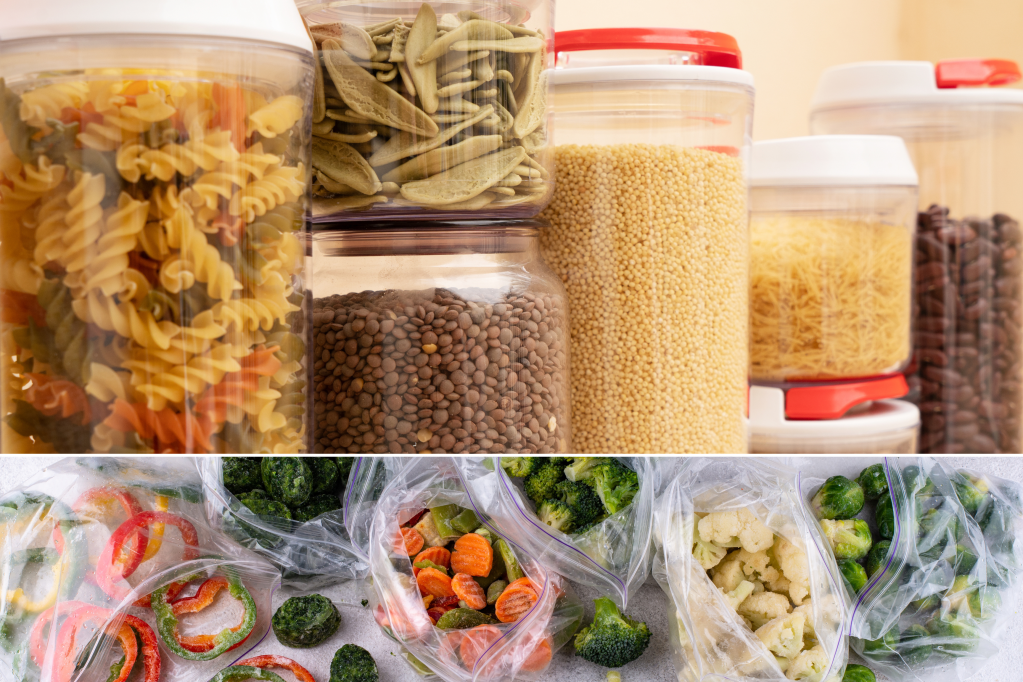
This article will provide an overview of food storage containers and the basics of proper food storage. We will cover different types of food storage, including dry food, fresh food, and frozen food. We will also discuss food storage safety, sustainable food storage practices, reducing food waste, labeling and dating food, and maintaining food storage containers.
Understanding Food Spoilage
Food spoilage occurs when the quality and safety of food deteriorate to the point where it is no longer fit for consumption. There are several factors that can cause food to spoil, including bacteria, fungi, enzymes, and oxidation. Some foods are more susceptible to spoilage than others, such as dairy products, meat, and fresh produce.
There are three main types of food spoilage: bacterial, enzymatic, and chemical. Bacterial spoilage is the most common and occurs when bacteria grow on the surface of food, causing it to become slimy, discolored, and foul-smelling. Enzymatic spoilage occurs when enzymes in the food break down its nutrients and cause it to become mushy or soft. Chemical spoilage occurs when food is exposed to air, light, or moisture, which can cause it to develop off-flavors or odors.
Consuming spoiled food can be dangerous and lead to foodborne illness. Symptoms of foodborne illness can range from mild stomach upset to severe vomiting and diarrhea, and in some cases, can even be life-threatening. It is important to properly store your food in order to reduce the risk of spoilage and prevent foodborne illness.
Investing in high-quality food storage containers is one of the best ways to keep your food fresh and safe. Look for containers that are airtight and leak-proof, as well as durable and easy to clean. Glass containers are a great option for storing food, as they are non-toxic, BPA-free, and can be used in the microwave and dishwasher.
Food Storage Basics
Proper food storage is essential for maintaining the quality and safety of your food. Whether you’re a busy parent or a college student on a budget, investing in high-quality food storage containers can help you reduce food waste, save money, and prevent foodborne illnesses. In this article, we’ll provide some basic tips for storing your food properly.
- Temperature Control
One of the most important factors in food storage is temperature control. Bacteria that cause food spoilage thrive in temperatures between 40°F and 140°F. It’s important to keep perishable foods, such as meat, poultry, dairy products, and fresh produce, at a safe temperature to prevent spoilage and foodborne illness.
- Humidity and Light Exposure
Humidity and light exposure can also affect the quality of your food. High humidity can cause fruits and vegetables to spoil faster, while low humidity can cause them to become dry and wilted. Keep produce fresh by storing it in perforated plastic bags or containers with vents, or by using a dedicated produce drawer in your fridge.
- Choosing the Right Food Storage Containers
There are many types of food storage containers available, each with its own advantages and disadvantages. Plastic containers are lightweight, affordable, and easy to find, but may not be as durable as other materials and may contain harmful chemicals. Glass containers are non-toxic, BPA-free, and can be used in the microwave and dishwasher, but may be heavier and more expensive.
Proper Storage for Dry Foods: Tips and Tricks
Different types of dry foods require specific storage conditions to maintain their quality and prevent spoilage. Grains, pasta, and flour are common examples of dry foods that need proper storage. It’s important to keep them in a cool, dry, and dark place to prevent moisture and heat from affecting their quality.
To store dry foods, it’s recommended to use airtight containers made of plastic, glass, or metal. These containers will help keep out moisture, pests, and other contaminants that can cause spoilage or contamination. Be sure to label your containers with the name and date of purchase to keep track of the freshness of your dry foods.
By following these simple storage tips, you can keep your dry foods fresh and flavorful for longer periods of time. Remember to check the storage instructions on the packaging of your dry foods for specific recommendations on storage temperature and other important details. With proper storage, you can save money and reduce food waste while ensuring that your dry foods remain safe and delicious.
Fresh Food Storage: How to Keep Your Produce Fresh and Delicious
Proper storage of fresh food is essential to keep it fresh, tasty, and nutritious. Different types of fresh food, such as fruits and vegetables, have specific storage requirements that can help maintain their quality. To keep your produce fresh, store them in a cool, dry, and dark place, away from direct sunlight and heat.
Fruits and vegetables should be stored in breathable containers, such as reusable produce bags or containers with vents, to allow air to circulate and prevent moisture buildup. This can help prevent mold and spoilage, and keep your produce fresh for longer periods of time. Remember to check the storage requirements of each type of produce, as some may require specific storage conditions, such as refrigeration or high humidity.
In addition to maintaining freshness, using eco-friendly storage options can also help reduce waste. Reusable produce bags are a great alternative to single-use plastic bags, which can contribute to environmental pollution. By using reusable bags and containers, you can reduce waste and minimize your environmental impact while keeping your produce fresh and delicious.
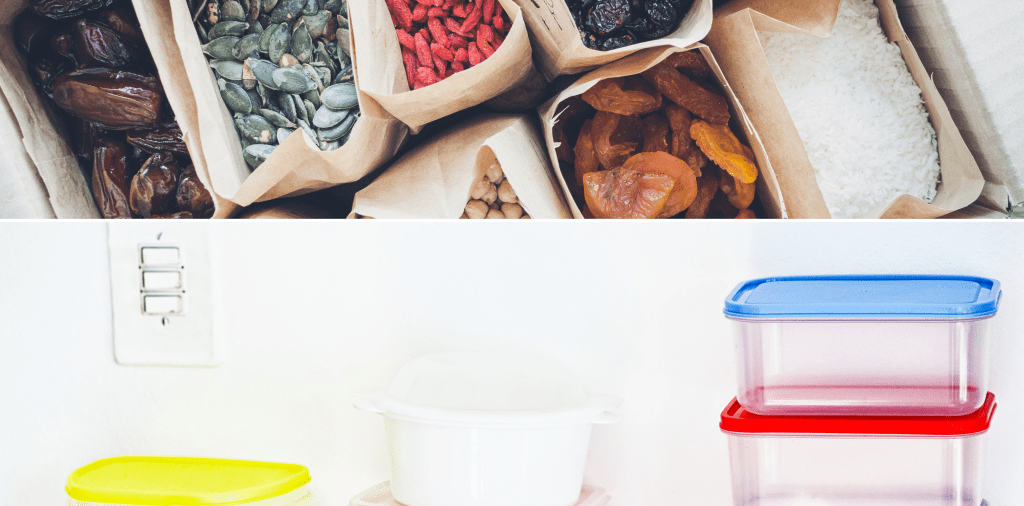
Food Storage Safety: Protecting Yourself from Foodborne Illnesses
Improper food storage can pose serious health risks, leading to foodborne illnesses such as salmonella and E. coli. When food is stored improperly, bacteria can grow and multiply, potentially causing illness when consumed. It’s important to follow proper food storage guidelines to minimize the risk of foodborne illness.
Salmonella, E. coli, and Listeria are some of the most common foodborne illnesses. Salmonella is often found in raw or undercooked meat, poultry, and eggs, as well as fruits and vegetables that have come into contact with contaminated animal feces. E. coli is typically found in undercooked beef, as well as contaminated water and produce. Listeria is commonly found in deli meats and soft cheeses, as well as in unpasteurized milk and produce.
To protect yourself from foodborne illness, it’s important to follow safe food storage practices, such as storing food at the proper temperature and keeping raw and cooked foods separate. Always wash your hands and surfaces thoroughly before handling food, and be sure to cook foods to the appropriate temperature to kill any harmful bacteria. By following these simple guidelines, you can reduce the risk of foodborne illness and keep yourself and your family safe.
Sustainable Food Storage
Sustainable food storage practices are becoming increasingly important as we strive to reduce our impact on the environment. Eco-friendly food storage containers are an excellent way to reduce waste and promote sustainability.
Using food storage containers made from sustainable materials such as glass, stainless steel, or silicone can significantly reduce the amount of plastic waste produced by disposable containers. Additionally, choosing reusable food storage containers instead of single-use ones can reduce the amount of waste generated.
There are many types of sustainable food storage options available, including glass jars, stainless steel containers, and silicone bags. These options are durable, reusable, and come in a variety of sizes to accommodate different types of food storage needs.
Tips for Reducing Food Waste
Reducing food waste is essential for both sustainability and cost-effectiveness. The average household wastes a significant amount of food each year, leading to increased environmental impact and financial strain.
To reduce food waste, start by planning your meals and shopping list in advance. This can help you avoid purchasing more food than you need, leading to less waste. Additionally, storing food properly in food storage containers can extend the shelf life of your food, reducing the likelihood of spoilage and waste. Another strategy for reducing food waste is to repurpose leftovers. For example, leftover vegetables can be used in soups or stir-fries, and stale bread can be used to make croutons or breadcrumbs.
The benefits of reducing food waste go beyond sustainability. By reducing waste, you can save money on groceries and contribute to a more sustainable food system. By incorporating sustainable food storage containers and reducing food waste into your daily routine, you can make a positive impact on the environment and your wallet.
Labeling and Dating Food
Proper labeling and dating of food is crucial for maintaining food safety and quality. Labeling allows you to identify the contents of the container and the date it was prepared or stored. This information is important for determining the freshness and safety of the food.
Different types of labels and dating systems can be used, including expiration dates, sell-by dates, and use-by dates. Expiration dates indicate the last day the product should be used or consumed, while sell-by dates indicate when the product should be sold. Use-by dates indicate when the product is at its peak quality and should be consumed by that date.
To properly label and date food, use waterproof labels and write the contents of the container and the date it was stored. Place the label on the container in a visible location, and be sure to update the label as necessary.
Cleaning and Maintaining Food Storage Containers
Proper cleaning and maintenance of food storage containers is essential for preventing the growth of harmful bacteria and maintaining the quality of the food. Different types of food storage container materials require different cleaning and maintenance practices.
Plastic containers should be washed in hot soapy water, rinsed thoroughly, and air-dried. Glass containers can be washed in the dishwasher or by hand with hot soapy water. Stainless steel containers should be washed by hand with warm soapy water and dried immediately. Regularly inspect your food storage containers for cracks, stains, and odors. Replace any containers that are damaged or show signs of wear and tear.
Proper food storage is essential for maintaining the quality and safety of your food. Understanding the basics of food storage, including how to store different types of food and the best containers to use, is critical for preventing spoilage and reducing waste.
By adopting safe and sustainable food storage practices, you can help protect your health and the environment. Remember to label and date your food, regularly clean and maintain your food storage containers, and strive to reduce food waste. By doing so, you can enjoy fresh, high-quality food for longer and make a positive impact on the planet.
 Hey Singapore