
Japanese culture is renowned for its intricate attention to detail, and this is no exception when it comes to Japanese tableware. Traditional Japanese tableware has played a significant role in Japanese culture, both aesthetically and functionally. The table setting is an essential aspect of Japanese dining, and the artistry behind the design of each piece of tableware is highly respected.
In addition to the beauty of Japanese tableware, it also reflects the values of the culture. The emphasis on harmony and balance is visible in the sleek and elegant designs of Japanese tableware. From the simple yet exquisite chawan (tea bowls) to the ornate sakazuki (sake cups), each piece of Japanese tableware is crafted with precision and care to provide the ultimate dining experience. The importance of Japanese tableware has extended beyond Japanese cuisine and culture, with many people around the world incorporating it into their own homes and dining experiences. The unique designs and materials used in Japanese tableware have inspired countless designers and artists worldwide.
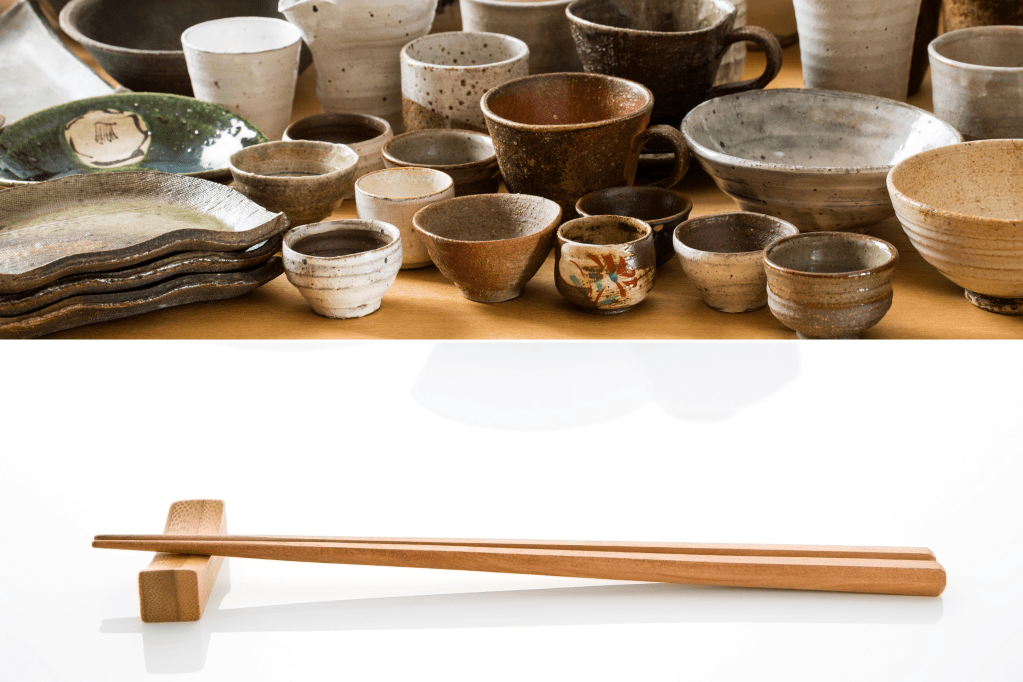
One of the most important aspects of Japanese culture is the value placed on hospitality and presentation. This is particularly evident in the importance of tableware, which is regarded as an art form in Japan. Tableware is not just a means of serving food, but also a reflection of the host’s taste, style, and personality. This is why there are many different types of tableware in Japan, each with its own unique design and purpose.
TableMatters.sg is a hub for Japanese tableware collections that offer customers the chance to experience the beauty and functionality of Japanese tableware in their own homes. The collections include a wide range of products, including bowls, plates, chopsticks, and tea sets, each of which is designed to enhance the dining experience.
Importance of tableware in Japanese culture:
In Japanese culture, the presentation of food is considered just as important as its taste. This is why so much care is taken in selecting and arranging tableware. Traditional Japanese tableware is often made from natural materials such as wood, bamboo, and clay, and is designed to complement the natural beauty of the food. For example, the deep, round shape of a traditional noodle bowl is designed to keep the broth and noodles hot, while the low sides make it easy to pick up the noodles with chopsticks.
Japanese tableware has been revered for centuries for its exceptional craftsmanship, unique designs, and sophisticated aesthetic. The intricate decorative elements found on Japanese tableware are not only visually appealing but also serve a deeper purpose. These elements are carefully chosen to reflect the cultural values and aesthetics of Japan and to create an immersive dining experience. The use of patterns, colors, and textures in Japanese tableware is a reflection of the Japanese philosophy of wabi-sabi, which celebrates the beauty of imperfection, simplicity, and transience.
The patterns found on Japanese tableware often reflect the natural world, featuring delicate flowers, leaves, or animals. These patterns are carefully hand-painted or engraved onto the tableware, requiring incredible skill and precision. The colors used are typically muted, with shades of earthy browns, greens, and blues, creating a calming and serene atmosphere. Textures are also an important element, with tableware often featuring a combination of smooth and rough surfaces that add to the sensory experience of the meal.
Japanese tableware is not only functional but also serves as a form of artistic expression. The choice of tableware can reflect the occasion, season, or even the mood of the host. The arrangement of the tableware, including the placement of plates, bowls, and utensils, is carefully orchestrated to create a sense of harmony and balance. This attention to detail is a reflection of the Japanese concept of ma, which emphasizes the importance of space and silence in creating a sense of beauty and tranquility.
Overall, the importance of tableware in Japanese culture reflects the value placed on hospitality, presentation, and attention to detail. By choosing the right tableware and arranging it in an aesthetically pleasing way, hosts can create a warm and welcoming atmosphere that enhances the dining experience for their guests.
TableMatters.sg: A hub for Japanese themed tableware collections:
TableMatters.sg is a Singapore-based online store that specializes in Japanese themed tableware collections. The store offers a wide range of products, including traditional and modern designs, and a variety of materials such as ceramic, glass, and bamboo. Customers can browse the collections by category, such as bowls, plates, and chopsticks, or by theme, such as sakura (cherry blossom) or traditional Japanese motifs.
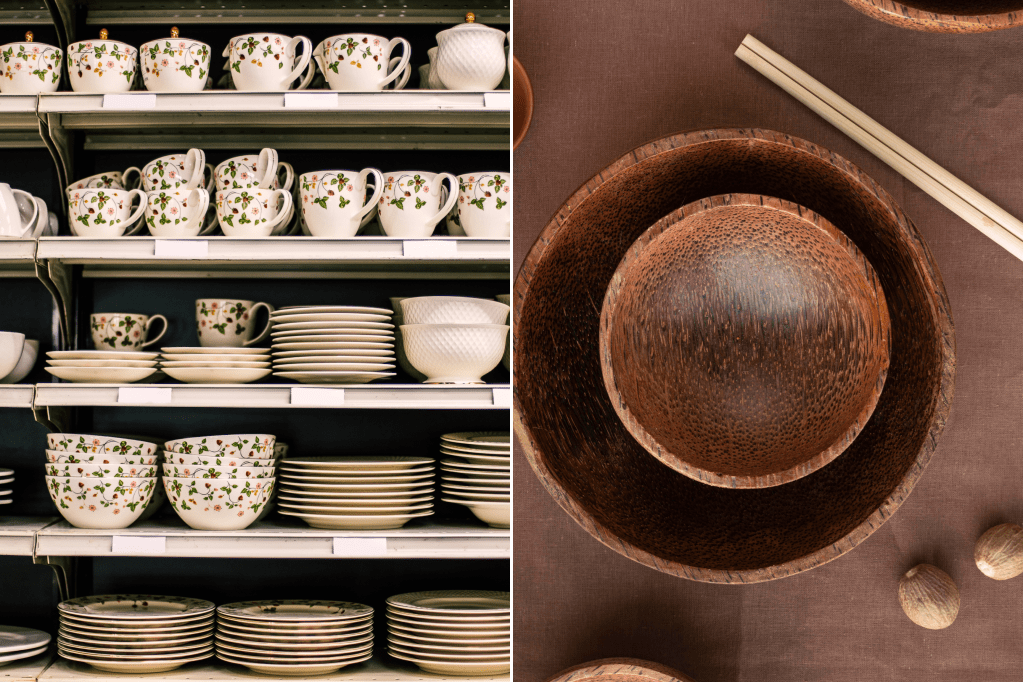
One of the advantages of shopping at TableMatters.sg is the store’s commitment to quality and authenticity. The products are sourced directly from Japan, and the store works closely with local artisans and manufacturers to ensure that each item is of the highest quality. Customers can also enjoy free shipping on orders over SGD 50 and a 30-day return policy.
Japanese tableware is an integral part of Japanese culture, and it reflects the country’s aesthetics and values. Here are some details on various types of Japanese tableware:
Traditional Japanese Tableware:
- Traditional Japanese tableware consists of various components, such as plates, bowls, and cups.
- There are different types of traditional tableware, such as chawan (tea bowls), kobachi (small plates), and sakazuki (sake cups).
Japanese Dinnerware:
- Japanese dinnerware plays an essential role in Japanese cuisine, where presentation is as crucial as taste.
- Japanese dinnerware typically includes plates, bowls, and chopsticks and differs from Western dinnerware in terms of design and shape.
Japanese Tea Ceremony:
- The Japanese tea ceremony is an important part of Japanese culture that emphasizes simplicity, harmony, and respect.
- Tea ceremony utensils, such as the chasen (bamboo whisk) and chawan (tea bowl), are integral to the ceremony.
Japanese Bento Boxes:
- Japanese bento boxes are a popular and convenient way to carry a meal.
- There are different types of bento boxes, such as the magewappa (wooden box) and the jubako (stackable boxes).
Japanese Sake Sets:
- Sake sets are used for serving and enjoying Japanese rice wine.
- The components of a sake set include the tokkuri (a flask) and ochoko (small cups).
Japanese Cutlery:
- Japanese cutlery is renowned for its quality and precision.
- There are different types of cutlery, such as the santoku (a versatile knife) and deba (a filleting knife).
Japanese Servingware:
- Japanese servingware includes various types of plates and dishes used for serving dishes.
- Examples of servingware include the tataki plate (a plate for serving meat dishes) and ohitsu (a container for storing and serving rice).
Japanese Glassware:
- Japanese glassware is known for its simple and elegant design.
- Examples of glassware include the sakazuki (sake cup) and guinomi (small cup).
Japanese Lacquerware:
- Japanese lacquerware is a traditional craft that involves applying lacquer to objects for decoration and protection.
- There are different types of lacquerware, such as the nuri-bon (lacquer tray) and shikki (lacquerware bowl).
Japanese Pottery:
- Japanese pottery is famous for its diverse styles and techniques.
- Examples of pottery include the Raku-yaki (a type of tea ware) and Hagi-yaki (a type of stoneware).
Japanese Porcelain:
- Japanese porcelain has a long history and is known for its delicate and intricate designs.
- Examples of porcelain include the Arita-yaki (a type of porcelain from Arita) and Imari-yaki (a type of porcelain from Imari).
Japanese Stoneware:
- Japanese stoneware is known for its unique texture and appearance.
- Examples of stoneware include the Banko-yaki (a type of teapot) and Shigaraki-yaki (a type of pottery from Shigaraki).
Japanese Ceramic Ware:
- Japanese ceramic ware includes various types of dishes and bowls.
- Examples of ceramic ware include the Kutani-yaki (a type of pottery from Kutani) and Seto-yaki (a type of pottery from Seto).
Japanese Ironware:
- Japanese ironware includes various types of pots and pans made from cast iron.
- Examples of ironware include the Nambu-tetsu (a type of cast ironware from Nambu) and Yamagata-tetsu (a type of cast ironware from Yamagata).
Japanese tableware has a rich history and cultural significance that has influenced the world. From traditional tableware such as chawan, kobachi, and sakazuki, to modern designs of dinnerware, bento boxes, sake sets, cutlery, servingware, glassware, lacquerware, pottery, stoneware, ceramic ware, and ironware, Japanese tableware continues to capture the attention and admiration of people all over the world.
TableMatters.sg is a hub for Japanese themed tableware collections, providing consumers with a wide range of high-quality and authentic Japanese tableware products. The collections offer a unique and valuable experience for anyone looking to enhance their dining experience or collection of tableware.
In conclusion, Japanese tableware is more than just a utilitarian object; it is a physical representation of Japan’s rich cultural heritage and aesthetic philosophy. For centuries, the art of crafting Japanese tableware has been refined to the point of achieving a perfect balance of form, function, and beauty. The TableMatters.sg collections, with their meticulous attention to detail and authentic craftsmanship, provide an unparalleled opportunity for consumers to immerse themselves in the beauty of Japanese culture and elevate their dining experience to new heights. By incorporating Japanese tableware into their daily lives, consumers can not only express their appreciation for Japan’s artistic traditions but also imbue their meals with a sense of elegance and refinement that is uniquely Japanese.
 Hey Singapore