
Want easy-to-clean, long-lasting ceramic cookware? Browse our comprehensive manual for the best advice on buying and caring for your cookware.
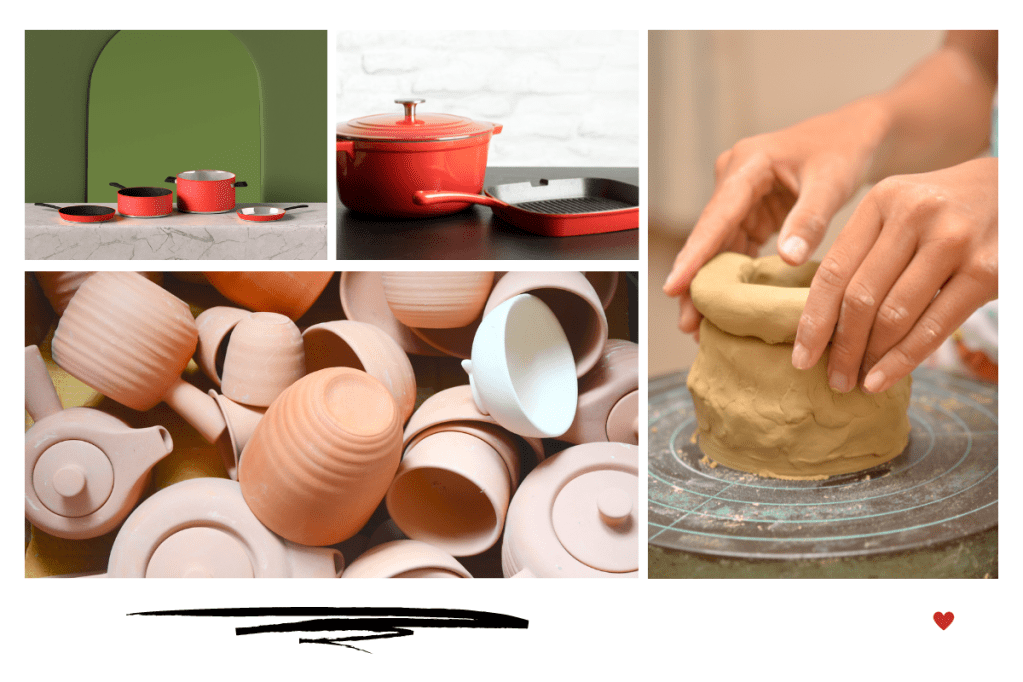
Understanding the Advantages of Ceramic Cookware for Healthy Cooking
Ceramic cookware is a great alternative for those who are concerned about their health and want to prepare more nutritious meals. Ceramic cookware, as opposed to conventional non-stick cookware, is created from all-natural ingredients and is free of potentially dangerous chemicals like PFOA and PFAS. Ceramic cookware is great for individuals who are watching their fat intake since its non-stick surface does not need the use of oil or butter and can be cleaned quickly and easily.
The uniform heating it provides is only one of the many benefits of utilizing ceramic cookware. Since it can become very hot very rapidly and maintain that heat for a long time, ceramic cookware is highly sought after. Stews, soups, and sauces, which need to be kept at a somewhat constant temperature during cooking, benefit greatly from this. The even heat distribution also eliminates hot patches that might cause food to scorch while cooking.
The longevity of ceramic cookware is another perk. Ceramic cookware is durable and can withstand heat without warping or splitting. Ceramic cookware can tolerate high temperatures and the use of metal tools, unlike conventional non-stick cookware, which may quickly be destroyed by either. Thus, you may expect more value from your investment in ceramic cookware.
Factors to Consider When Choosing Ceramic Cookware
If you’re not aware of the many options in ceramic cookware, picking the correct set might seem like a monumental undertaking. Many aspects, including the cooking surface, the handles, the pricing, and the material, should be taken into account before making a final choice.
The efficiency and longevity of your ceramic cookware may depend on the material from which it was made. Some ceramic cookware is manufactured entirely of ceramic, while other ceramic cookware is combined with metals like aluminum or titanium. Although ceramic cookware made with other materials may be purchased for less money, its performance may not be as good as that of pure ceramic cookware when it comes to distributing and retaining heat.
Ceramic cookware’s cooking surface is another crucial aspect to think about. The glazed surface of certain ceramic cookware makes it simple to clean, but it may not be as non-stick as the unglazed surfaces of other ceramic cookware. Instead, unglazed ceramic cookware is more non-stick but may need additional fats like oil or butter to keep food from adhering.
The handles, which may alter the user’s sense of security and ease of handling, are another important aspect of ceramic cookware. Silicone or other heat-resistant handles are preferable since they are easy to grasp and protect users from accidental burns. Last but not least, the cost of ceramic cookware may range greatly from one brand to the next, from one material to another, and from one size to another. You should decide on a price range and then choose ceramic cookware that is inside that range.
Care and Maintenance Tips for Prolonging the Lifespan of Your Ceramic Cookware
Purchasing high-quality ceramic cookware is a long-term investment in your kitchen’s aesthetic and functionality. There are a few simple things you can do to prolong the life of your ceramic cookware and keep it in top shape.
To begin, ceramic cookware is delicate and may easily be scratched or damaged by metal utensils. Make a point of switching to utensils made of silicone or wood that won’t scratch your pots and pans. Also, abrasive cleansers and scrubbers should be avoided because of the damage they may do to the cookware’s surface and, ultimately, its effectiveness.
While taking care of ceramic cookware, it is also crucial to not subject it to sudden shifts in temperature. Avoid putting hot ceramic cookware into cold water since this might cause cracks or breaks. Also, never put a ceramic pot or pan directly from the oven onto a cold surface.
Last but not least, while cleaning your ceramic cookware, it’s best to stick to mild, nonabrasive solutions and stay away from strong chemicals like bleach. Soaking the cookware in warm, soapy water for a few hours is the best method for removing burned-on food and tough stains. Your ceramic cookware will last longer if you follow these guidelines for cleaning and maintaining it.
How to Safely Use Ceramic Cookware in the Oven and on Different Stovetops
Ceramic cookware can go from oven to gas, electric, or induction burner with ease. But, ceramic cookware requires careful handling to ensure it lasts a long time and performs as intended.
Keep in mind that sudden shifts in oven temperature might damage ceramic cookware. For instance, you shouldn’t put ceramic cookware straight from the fridge into a hot oven. Instead, let the pots and pans warm up to room temperature before using them in the oven.
It is recommended to use a diffuser when using ceramic cookware on a gas burner to avoid creating hot spots. In addition, excessive heat settings should be avoided since they might harm the cookware’s surface, reducing its efficiency and ultimately, its useful life.
It’s crucial to use a flat-bottomed ceramic pot or pan that is safe for use with an electric stove’s heating element. Don’t scratch or otherwise damage your cookware by dragging it over the stovetop. Last but not least, you must choose ceramic cookware that is magnetic field–compatible while working with an induction cooktop. You should try to get cookware with a flat bottom and a magnetic base.
Expert Recommendations for the Best Ceramic Cookware Brands on the Market
There are a number of excellent brands of ceramic cookware available on the market today. GreenPan, Caraway, and Xtrema are three of the most recommended and widely used brands.
GreenPan ceramic cookware is widely regarded as cutting edge and environmentally beneficial. Its ceramic non-stick coating is safe and healthy to use in the kitchen since it contains no toxic chemicals.
A second highly suggested manufacturer of ceramic cookware is Caraway. They use a ceramic non-stick coating that is engineered to endure, making their items a worthwhile investment for any kitchen.
If you’re looking for a truly natural and non-toxic alternative in cookware, go no further than the Xtrema brand, which specializes in ceramic. These goods are perfect for any kind of cooking, since they can be used in the oven, on the stove, or even on the grill.
A Brief History of Ceramic Cookware and Its Significance in Culinary Traditions
Ceramic vessels have been used for cooking in many cultures for centuries. Ancient China is credited with being the first place where ceramic cookware was utilized. Cooking with ceramic was common in ancient Greece and Rome because of the material’s longevity and equal heat distribution.
Due to its numerous advantages for healthy cooking, ceramic cookware has recently seen a comeback in favor. Non-toxic ceramic cookware is preferable since it does not transfer any toxins to the food being prepared. It won’t change the taste of foods by reacting with acidic or alkaline components, and it’s non-reactive too.
These days, ceramic cookware can be found in just about every kitchen on the planet, and there is a vast variety of brands and designs from which to pick. There is a ceramic cookware product for everyone, whether you’re searching for something natural and non-toxic or something sturdy and adaptable. Ceramic cookware has been around for a long time and is still quite popular, so it will likely continue to play an important role in culinary traditions for the foreseeable future.
Health Benefits of Using Ceramic Cookware for Cooking and Food Storage
There are several health advantages to using ceramic cookware, which is why it is gaining in popularity. Ceramic cookware has various benefits for healthy cooking and food preservation, including a decreased chance of exposure to dangerous chemicals and the maintenance of food’s nutritional value.
Unlike other forms of cookware, such as non-stick pans, ceramic pieces are safe to use since they do not contain any toxic chemicals. Ceramic cookware is safe to use since it is manufactured from inert materials like clay and sand and does not release any dangerous chemicals or metals into the food being prepared. Because of this, it’s a better and more nutritious choice for cooking.
As an added bonus, food cooked on ceramic cookware retains more of its original nutritional value. Ceramic cookware is advantageous since it can rapidly and effectively prepare food without harming the vitamins and minerals necessary for optimum health due to its uniform heat distribution and high thermal retention. Because of this, not only will your meal taste better, but it will also be healthier.
Ceramic cookware is safe to use with both acidic and alkaline foods since it is non-reactive. This is significant because certain metals, including aluminum and copper, may react with acidic components like tomatoes and vinegar, causing discoloration and perhaps altering the flavor of the dish. Ceramic cookware avoids this problem, making it a versatile kitchen tool suitable for preparing a broad variety of meals.
 Hey Singapore