
From Size to Material: Everything You Need to Know to Find the Ideal Bed for Your Furry Friend
As a devoted pet parent, ensuring your furry companion’s felicity and well-being is of utmost importance. One of the crucial aspects that demands your attention is providing your canine friend with a restful and supportive sanctuary. However, the extensive array of dog beds in the market can be overwhelming, making it challenging to make an informed decision. Fear not! In this comprehensive guide, we will equip you with the knowledge to select the most appropriate dog bed that meets your pooch’s unique needs and maintains their contentment and health.
Why is a Dog Bed Necessary? Despite the notion that dogs can sleep anywhere, a comfortable and supportive bed offers a myriad of benefits. First and foremost, it provides your furry companion with an oasis of tranquillity to repose. Given that dogs spend a significant chunk of their time sleeping, a good bed is essential for their relaxation and well-being.
Moreover, a bed offers your dog a sense of security and comfort, which is vital since they are den animals. Having a designated place to snuggle helps them feel safe and secure, aiding in their mental and emotional well-being. Furthermore, a bed protects your floors and furniture from shedding, drool, and unforeseen mishaps, making it a smart investment.
When selecting a bed for your furry companion, there are several crucial factors to take into account. First and foremost, the dimensions of the bed are of utmost importance. Ensuring that the bed is spacious enough for your dog to stretch out in a relaxed and comfortable manner is imperative. Opting for a bed that is too small may result in discomfort and lead to unwanted aches and pains for your four-legged friend.
To determine the correct bed size for your dog, it is advisable to measure the distance from the tip of their snout to the base of their tail. Add a few extra inches to this measurement to ensure optimal comfort. The weight of your dog is also a significant consideration to keep in mind. If your furry companion is on the heavier side, a bed with more substantial support may be preferable.
In addition to size, the material of the bed is a critical factor to bear in mind. You will want to select a material that is sturdy, comfortable, and effortless to clean. The common materials utilized for dog beds include cotton, polyester, and nylon. Some beds are even fabricated from memory foam, which can provide added support for dogs with joint pain or arthritis.
You should also consider your dog’s sleeping habits when choosing a material. If your dog likes to burrow, a bed with a hood or high sides may be a good choice. If your dog likes to stretch out, a bed with a flat surface may be more comfortable.
Contour The contour of the bed is a pivotal factor to contemplate. Canines exhibit individual preferences in this regard, with some preferring beds that incorporate lofty sides, while others favor a level surface. Bolstered beds, featuring raised sides, can offer a sense of security for dogs who prefer to repose against a surface while slumbering. In contrast, if your dog favors stretching out, a flat bed may be more fitting.
Hygiene Another vital aspect to ponder is the ease of maintaining cleanliness. Since canines have a tendency to shed, salivate, and experience accidents while lying on their bed, opting for a bed that is easy to clean is imperative. It’s preferable to seek out beds with detachable covers that can be laundered in a machine. Additionally, waterproof beds can be advantageous for dogs who are inclined to have accidents.
Pricing Dog beds come in a diverse array of price points, ranging from economical to luxurious. While it may be tempting to opt for a more economical option, it’s important to recognize that a low-quality bed may not offer the same level of durability or comfort for your dog. Investing in a high-quality bed can result in significant cost savings in the long term, as you won’t need to replace it as frequently.
Types of Dog Beds
Now that you know what factors to consider when choosing Dog beds
Washable Covers
Many dog beds come with removable and washable covers. This feature makes it much easier to keep your dog’s bed clean and fresh-smelling. A washable cover is also an essential feature if your dog has a tendency to get muddy or wet, or if they shed a lot. A washable cover allows you to quickly and easily remove any dirt, hair, or stains from your dog’s bed, without having to wash the entire bed.
Orthopedic Dog Beds
If your dog is a senior or suffers from arthritis, joint pain, or other health issues, an orthopedic dog bed may be the best choice for them. Orthopedic dog beds are designed to provide extra support and comfort, making it easier for your dog to get in and out of bed and reducing pressure on their joints. These beds are typically made from high-density foam or memory foam and can help to relieve pain and discomfort, making your dog feel more comfortable and improving their quality of life.
Raised Dog Beds
Raised dog beds are an excellent choice for dogs who like to sleep off the ground or who have trouble getting up and down from the floor. These beds typically feature a metal or plastic frame that lifts the bed off the ground, providing a comfortable and supportive sleeping surface for your dog. Raised dog beds can also help to keep your dog cool and dry, as they allow air to circulate beneath the bed.
Travel Dog Beds
If you frequently travel with your dog, a travel dog bed is a must-have item. These beds are designed to be lightweight and portable, making them easy to take with you on the go. Many travel dog beds can be rolled up or folded down, making them ideal for packing in a suitcase or backpack. Some travel dog beds even come with a carrying case, making them even more convenient to travel with.
Eco-Friendly Dog Beds
If you’re environmentally conscious, an eco-friendly dog bed may be the right choice for you and your furry friend. These beds are made from sustainable, biodegradable, or recycled materials, making them a more eco-friendly option than traditional dog beds. Eco-friendly dog beds are available in a wide range of styles and sizes, so you can find one that meets your dog’s needs while also helping to reduce your environmental impact.
Furthermore, orthopedic dog beds also provide excellent support for dogs suffering from joint pain, arthritis, or other mobility issues. These beds are designed to evenly distribute your dog’s weight, reducing pressure on their joints and providing a comfortable and supportive sleeping surface. The foam used in orthopedic dog beds is high-density and conforms to your dog’s body, allowing for a customized fit that can help relieve pain and improve sleep quality.
Durability
Another important factor to consider when choosing a dog bed is durability. A high-quality dog bed should be able to withstand daily use and resist wear and tear. Dogs can be rough on their beds, especially if they like to chew, dig, or scratch, so it is important to choose a bed made with durable materials that can stand up to their habits.
Some of the most durable materials used in dog beds include tough nylon, heavy-duty canvas, and chew-resistant fabrics. These materials are designed to resist tearing, scratching, and chewing, making them ideal for dogs that are tough on their beds. Additionally, beds with removable and washable covers are also a great option, as they can be easily cleaned and maintained over time.
Size
Choosing the right size dog bed is also important to ensure your dog gets a good night’s rest. A bed that is too small can leave your dog feeling cramped and uncomfortable, while a bed that is too big can be difficult to get in and out of, reducing its overall usefulness.
To choose the right size dog bed, consider your dog’s weight and size. Measure your dog from nose to tail, and add a few inches to ensure they have enough room to stretch out comfortably. Additionally, consider your dog’s sleeping habits. If they like to stretch out, a larger bed may be necessary, while a dog that likes to curl up may prefer a smaller bed.
Style and Design
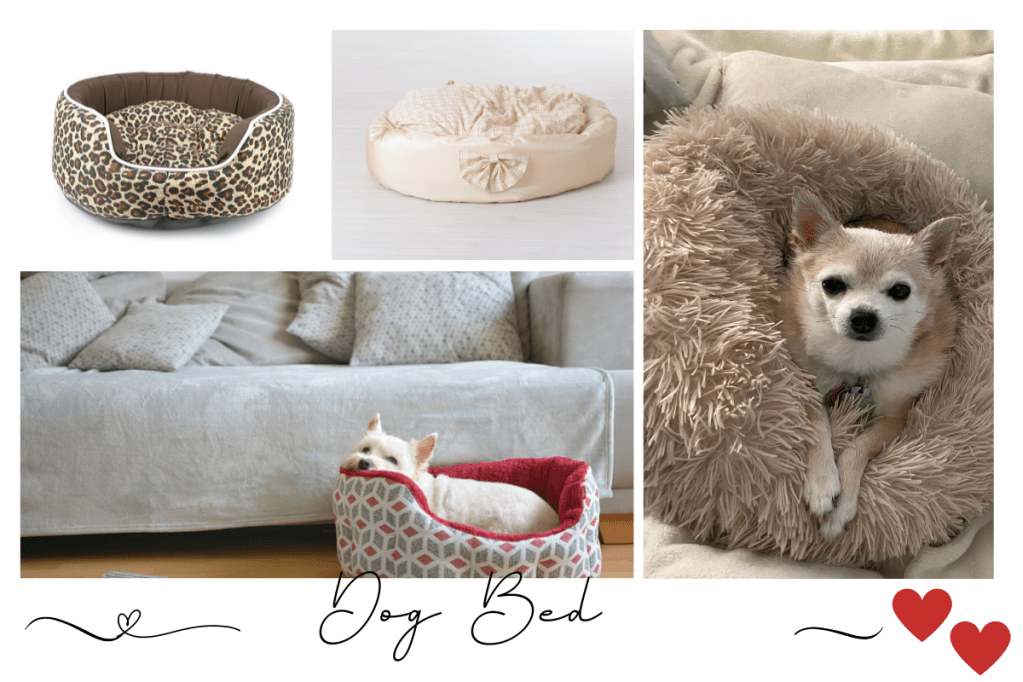
Finally, the style and design of the dog bed are important factors to consider. Dog beds come in a wide range of colors, patterns, and materials, so you can choose a bed that fits your home decor and your dog’s personality. From classic designs like round and rectangular beds to unique styles like cave beds, teepee beds, and even designer beds, there is a dog bed to fit every style and preference.
When choosing a bed style, consider your dog’s sleeping habits and preferences. Some dogs prefer to sleep in a cave-like environment, while others like to stretch out on an open surface. If your dog likes to burrow, a cave bed or a cozy cuddler bed may be the perfect choice. If they prefer to stretch out, a rectangular or oval bed may be more suitable.
Conclusion
In conclusion When contemplating a dog bed, it is a consequential resolution that can impact your canine’s health, ease, and welfare. By taking into consideration elements such as the level of comfort, support, robustness, dimensions, and style, you can pinpoint a bed that satisfies your pooch’s unique needs and preferences. Regardless of whether you opt for a conventional four-sided bed or an exclusive designer bed, the correct dog bed can endow your furry pal with a snug and serene spot to doze and slumber, amplifying their overall standard of living.
 Hey Singapore