
Sake, a traditional Japanese alcoholic beverage derived from fermented rice, has been an integral component of Japanese culture for centuries. However, the serving vessel used for this beverage, the sake glass, is equally momentous. The design and contour of the glass can have a profound influence on the imbiber’s experience, and the cultural significance of the sake glass contributes to the overall enjoyment of the libation.
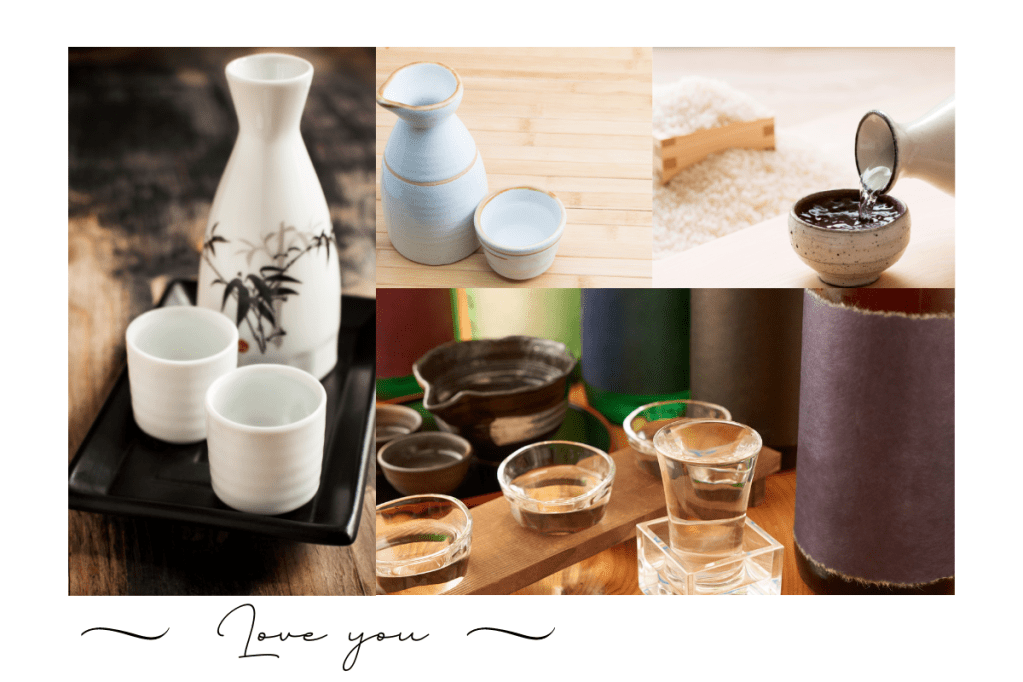
The origins of the sake glass can be traced back to ancient Japan, where sake was served in vessels fashioned from wood or bamboo. However, as time progressed, so did the sake vessel. Glassware came to be used for sake during the Edo period (1603-1868), and by the 19th century, glass sake glasses became widespread. Today, the traditional Japanese sake glass remains popular, but contemporary designs have also been introduced.
Various types of sake glasses are available, each possessing a unique silhouette and size. The most prevalent kinds of sake glasses include ochoko, sakazuki, and guinomi. The shape of the glass can affect the aroma and taste of the sake, making it imperative to select the appropriate glass for the sake being served.
When selecting a sake glass, several considerations should be taken into account, such as the type of sake being served, personal preferences, and the occasion. For instance, a sakazuki glass may befit a formal event, while an ochoko glass may be more suitable for an informal gathering. Opting for the right glass can heighten the overall drinking experience.
When holding a sake glass, it is important to utilize the proper technique to evade affecting the temperature of the sake and, consequently, its flavor. The glass should be held with fingertips, and the hand positioned on the base of the glass to support it. Additionally, pouring sake into a glass should be executed with care, tilting the glass slightly and pouring the sake gradually to avoid any spillage.
Sipping sake from a glass comes with its own set of decorum rules. It is customary to pour sake for others before pouring for oneself, and when clinking glasses, it is polite to hold one’s glass slightly lower than the other person’s glass. Furthermore, maintaining the sake glass clean and dry is imperative.
Several accessories can be used with sake glasses to amplify the drinking experience, such as sake warmers, coasters, and sake sets. Proper upkeep of sake glasses is also crucial for a better drinking experience, as glasses should be washed after each use and stored in a dry, dust-free location.
Collecting sake glasses has become a popular pastime for some, with the various shapes, designs, and hues of sake glasses making them appealing to collectors. Antique sake glasses are particularly coveted, as they represent a reflection of Japanese history and culture.
All in all, the sake glass is not only a receptacle for imbibing sake but also a symbol of Japanese culture and tradition. The design and shape of the glass can significantly impact the drinking experience, making it crucial to select the appropriate glass for the sake being served. With proper care and attention, the sake glass can provide a singular and enjoyable drinking experience that reflects the rich culture and history of Japan.
In addition to its cultural significance, the sake glass has also made its way into modern art and design. Contemporary artists and designers have experimented with the shape and form of the sake glass to create unique and visually striking pieces. Some artists have even transformed sake glasses into intricate sculptures, showcasing the glass’s versatility as a medium for artistic expression.
As the popularity of sake continues to grow worldwide, the sake glass is becoming more widely recognized as an essential component of the sake-drinking experience. While traditional Japanese sake glasses remain popular, modern designs have also emerged, incorporating new materials and unique shapes.
Despite the different types of sake glasses available, one thing remains constant: the importance of proper technique and etiquette when drinking sake. By observing proper decorum and utilizing the appropriate glassware, the full potential of the sake-drinking experience can be realized.
Moreover, the sake glass serves as a conduit for the sensory experience of drinking sake, elevating it from a simple beverage to an immersive cultural experience. The sight of the sake’s color and the glass’s shape, the aroma of the sake wafting from the glass, and the taste and texture of the sake as it touches the tongue and palate all contribute to the overall experience.
The art of drinking sake is steeped in tradition, with a rich history that spans centuries. From the early days of wooden and bamboo sake vessels to the modern glassware used today, the sake glass has evolved alongside the beverage itself. In Japan, the art of serving sake is considered a highly skilled craft, with sake sommeliers and experts trained in the nuances of selecting the right glass for the right sake, and the proper temperature at which to serve it.
The sake glass is not only an essential component of the traditional Japanese tea ceremony, but it is also commonly used during other formal occasions such as weddings, funerals, and other important events. The selection of the appropriate sake glass for these occasions is given careful consideration, with the color and design of the glass often reflecting the significance of the event.
In addition to its cultural and historical significance, the sake glass is also a symbol of the artistry and craftsmanship that Japan is renowned for. Skilled artisans create each glass by hand, using time-honored techniques and attention to detail that ensure each glass is a unique and beautiful work of art.
In recent years, the popularity of sake has grown outside of Japan, with more and more people around the world discovering the joys of this traditional beverage. As a result, the demand for sake glassware has also increased, with a wide range of styles and designs now available to suit all tastes and occasions.
Furthermore, the sake glass serves as a gateway into the intricate world of Japanese culture, offering a glimpse into the country’s rich history, traditions, and values. The glass’s shape and design are not arbitrary; they are carefully chosen to enhance the sake-drinking experience and reflect the cultural significance of the beverage.
The art of drinking sake is not only about consuming the beverage but also about embracing the culture and traditions surrounding it. From selecting the appropriate glassware to observing proper etiquette, every aspect of the sake-drinking experience is imbued with meaning and symbolism.
The sake glass is not only a reflection of Japanese culture, but it is also an embodiment of the country’s dedication to craftsmanship and quality. Each glass is carefully handcrafted by skilled artisans who take pride in creating unique and beautiful works of art that embody the spirit of Japan.
As sake continues to gain popularity around the world, the sake glass has become a symbol of cultural exchange, bringing people from different countries and backgrounds together to appreciate the beauty and complexity of this traditional beverage.
Furthermore, the sake glass embodies the concept of “wabi-sabi,” a fundamental aspect of Japanese aesthetics. Wabi-sabi celebrates imperfection and transience, emphasizing the beauty of simplicity, naturalness, and authenticity. The unique shapes and designs of sake glasses often reflect this philosophy, with subtle imperfections and variations that add to the glass’s beauty and character.
The sake glass also plays a significant role in the social fabric of Japanese culture, particularly in the context of business and professional relationships. Sharing a glass of sake is considered a gesture of goodwill and a way to build trust and deepen relationships. In formal settings, the hierarchical relationship between individuals is often reflected in the size and design of the sake glass used.
Moreover, the sake glass is often paired with traditional Japanese cuisine, enhancing the flavors and textures of the food and creating a harmonious culinary experience. The right sake glass can bring out the subtle flavors of the sake and complement the flavors of the dish, elevating the dining experience to new heights.
The significance of the sake glass is not limited to traditional Japanese culture; it also holds a place in contemporary art and design. Many contemporary artists and designers have experimented with the shape and form of the sake glass, creating unique and visually striking pieces that challenge traditional notions of glassware and expand the boundaries of artistic expression.
In conclusion, the sake glass is more than just a vessel for drinking sake; it is a manifestation of Japan’s rich cultural heritage, an embodiment of the concept of wabi-sabi, and an essential component of the country’s social and culinary traditions. Its versatility and beauty have inspired contemporary artists and designers to create new and exciting interpretations, showcasing the enduring relevance and influence of this cultural artifact. As sake continues to gain popularity around the world, the sake glass will undoubtedly remain an integral part of the cultural exchange between Japan and the rest of the world.
 Hey Singapore