
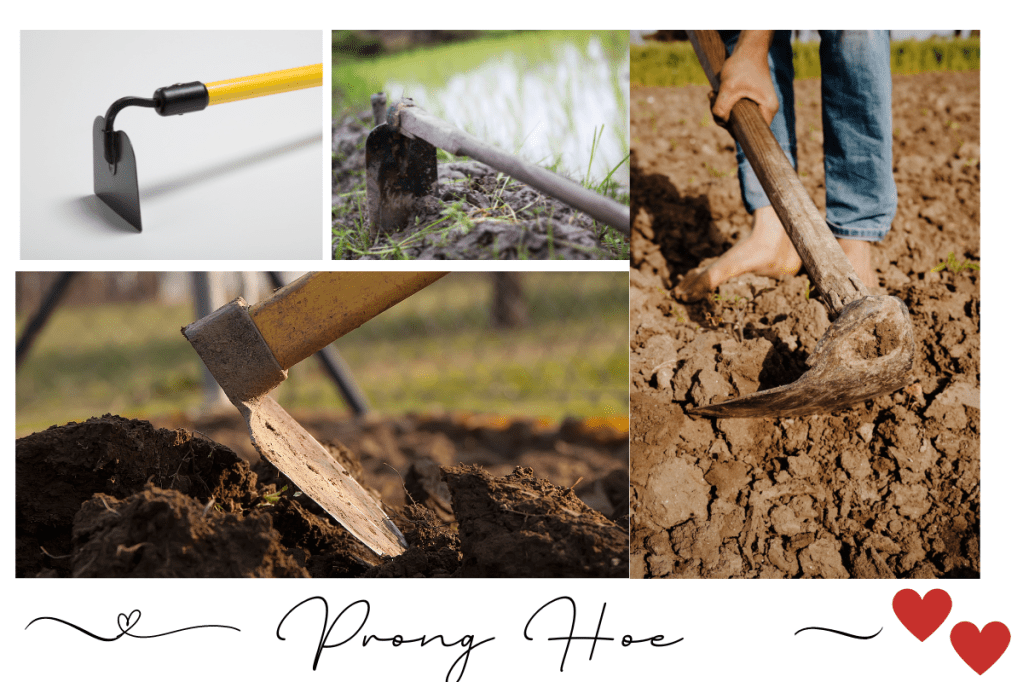
The Prong Hoe: A Versatile and Effective Gardening Tool
Benefits, Uses, and Maintenance Tips for Your Prong Hoe
The prong hoe is a unique and versatile tool that can be a valuable addition to any gardener’s toolkit. With its sharp tines and ergonomic handle, this hoe is specifically designed to tackle tough soil and root systems with ease. In this article, we will explore the history and uses of the prong hoe, as well as its benefits and maintenance tips.
Origins and History of the Prong Hoe The prong hoe, also known as a fork hoe or potato fork, has been around for centuries, with its origins dating back to ancient civilizations. Early versions of the prong hoe were made from natural materials such as wood, bone, and animal horn. Over time, metal versions of the prong hoe were developed and became widely used for agricultural purposes.
Uses of the Prong Hoe One of the primary uses of the prong hoe is to break up compacted soil and remove weeds. The sharp tines of the hoe are perfect for piercing the soil and breaking up any hard clumps, allowing for better water and air circulation around plant roots. Additionally, the prong hoe can be used to dig holes for planting bulbs or seedlings, and to aerate soil in preparation for planting. Here are the best Prong Hoe
Benefits of the Prong Hoe
- Versatility: The prong hoe is a versatile tool that can be used for a variety of tasks, making it an essential addition to any gardener’s toolkit.
- Ergonomic Design: The prong hoe’s ergonomic handle design helps reduce strain on the wrists and arms, making it a comfortable tool to use for extended periods.
- Precision: The sharp tines of the prong hoe make it a precise tool for removing weeds and breaking up soil, allowing for more targeted work and less soil disturbance.
- Eco-Friendly: Using a prong hoe for weeding and soil cultivation can be an eco-friendly alternative to using herbicides and tillers, which can harm the environment and disrupt natural soil ecosystems.
Maintenance Tips for the Prong Hoe To keep your prong hoe in top condition, it’s important to clean and oil it regularly. After each use, wipe down the tines with a clean cloth to remove any dirt or debris, and apply a thin coat of oil to prevent rust and corrosion. Sharpening the tines periodically will also help maintain the tool’s effectiveness and make it easier to use.
A prong hoe is a versatile and efficient gardening tool that is essential for any serious gardener. In this article, we will explore the benefits and importance of the prong hoe, tips for using and maintaining your tool, and how it can help you achieve a thriving garden. Benefits of Prong Hoe
- Weed Control: The prong hoe is an effective tool for controlling weeds in your garden. Its sharp, pointed tines can quickly and easily cut through weeds and loosen soil, allowing you to remove weeds without damaging nearby plants.
- Soil Aeration: The prong hoe can also be used to aerate the soil in your garden, which is crucial for maintaining healthy plant growth. By loosening the soil, you can improve water and nutrient penetration and promote healthy root development.
- Seed Planting: The prong hoe is an excellent tool for planting seeds. Its pointed tines can create small holes in the soil, allowing you to plant seeds at the correct depth for optimal growth.
- Reduced Physical Strain: The prong hoe is designed to reduce physical strain on the gardener’s body. Its long handle allows you to stand upright while using the tool, reducing the strain on your back and knees. Importance of Prong Hoe
- Efficiency: The prong hoe is an efficient gardening tool that can help you complete tasks quickly and effectively. With its sharp tines, you can quickly cut through weeds and loosen soil, saving you time and effort.
- Cost-Effective: The prong hoe is a cost-effective gardening tool that can save you money in the long run. By effectively controlling weeds and promoting healthy plant growth, you can reduce the need for expensive herbicides and fertilizers.
- Sustainable Gardening: The prong hoe is an essential tool for sustainable gardening practices. By controlling weeds and promoting healthy soil, you can reduce the need for harmful chemicals and pesticides, making your garden more eco-friendly. Tips for Using and Maintaining Your Prong Hoe
- Sharpen the Tines: To ensure your prong hoe is always effective, it’s essential to sharpen the tines regularly. You can use a file or a sharpening stone to sharpen the tines and keep them in top condition.
- Store Properly: When storing your prong hoe, it’s essential to keep it in a dry and clean place to prevent rusting. You can also apply a coat of oil to the tines to protect them from rust and corrosion.
- Use Correctly: To get the most out of your prong hoe, it’s essential to use it correctly. When using the tool, make sure to stand upright and use a sweeping motion to cut through weeds and loosen soil.
- Clean After Use: After using your prong hoe, make sure to clean it thoroughly with a damp cloth to remove any dirt and debris. You can also apply a coat of oil to the tines to prevent rusting and keep them in good condition.
Prong hoes are versatile and essential tools for gardeners and landscapers. These unique tools are designed to make weeding and cultivating much easier and efficient. They come in a range of styles and sizes, making them suitable for a variety of gardening tasks. In this article, we will explore the different types of prong hoes available, their benefits, and how to use them to maintain a healthy and beautiful garden.
Types of Prong Hoes
- Standard Prong Hoe: This is the most common type of prong hoe and features three sharp, pointed prongs that are angled slightly downwards. It is ideal for cultivating and breaking up soil in small to medium-sized garden beds.
- Japanese Prong Hoe: Also known as a “ho-mi,” this prong hoe has a curved blade that allows for precision weeding and cultivation. Its unique design allows for easy access to tight spaces between plants.
- Collinear Hoe: This prong hoe has a row of prongs that are aligned in a straight line. It is ideal for breaking up hard soil and cutting through tough roots.
Benefits of Prong Hoes
- Efficient Weeding: The sharp, pointed prongs of prong hoes make it easy to weed between plants and in tight spaces. They can quickly remove unwanted weeds without damaging surrounding plants.
- Improved Soil Aeration: By breaking up the soil and cultivating it with a prong hoe, the soil’s structure can be improved, allowing for better water and nutrient absorption. This can help promote healthy plant growth.
- Ergonomic Design: Prong hoes are designed to be comfortable to use, with a long handle that allows for proper posture and reduced strain on the back and arms.
- Environmentally Friendly: Prong hoes are an eco-friendly alternative to chemical weed killers, which can harm the environment and wildlife.
How to Use a Prong Hoe
- Start by loosening the soil around the plants you want to weed or cultivate. Use the prong hoe to dig in and loosen the soil, being careful not to damage any nearby plants.
- Once the soil is loosened, use the prong hoe to remove any weeds by placing the prongs under the weed’s roots and pulling gently.
- Use the prong hoe to cultivate the soil by raking it back and forth to break up any clumps and improve aeration.
- When using a collinear hoe, use a back and forth motion to cut through tough roots and break up hard soil.
- Be sure to clean and store your prong hoe properly after each use to keep it in good condition and extend its lifespan.
Conclusion
In Conclusion, the prong hoe is a rudimentary yet efficacious apparatus that confers substantial advantages to horticulturists and agriculturists alike. Its distinctive configuration permits meticulous weeding and tillage, thereby rendering it an indispensable implement for maintaining a robust garden or crop. The prong hoe’s flexibility and longevity also amplify its worth for those involved in the agricultural domain, as it can be employed for a sundry of chores and withstands the incessant wear and tear associated with frequent usage.
When scrutinizing a prong hoe, it behooves one to cogitate on the precise necessities of their garden or farm and select a model that is best attuned to those requirements. Timely upkeep, such as honing and greasing the blade, can also aid in extending the life and efficacy of the device.
All things considered, the prong hoe is a priceless asset to any horticulturist or agriculturist’s tool assemblage, proffering both efficiency and meticulousness in garden maintenance and crop tillage.
 Hey Singapore