
For decades, doorbell wiring has been an essential component of home architecture. It is a simple and effective means of informing homeowners when someone is at their door. But, developments in wireless and intelligent technology have lessened the necessity for traditional doorbell wiring. With the rise of wireless and intelligent doorbells, homeowners may now remotely monitor their doors and receive notifications on their mobile devices. This article discusses the future of doorbell wiring and the benefits of wireless and intelligent technology.
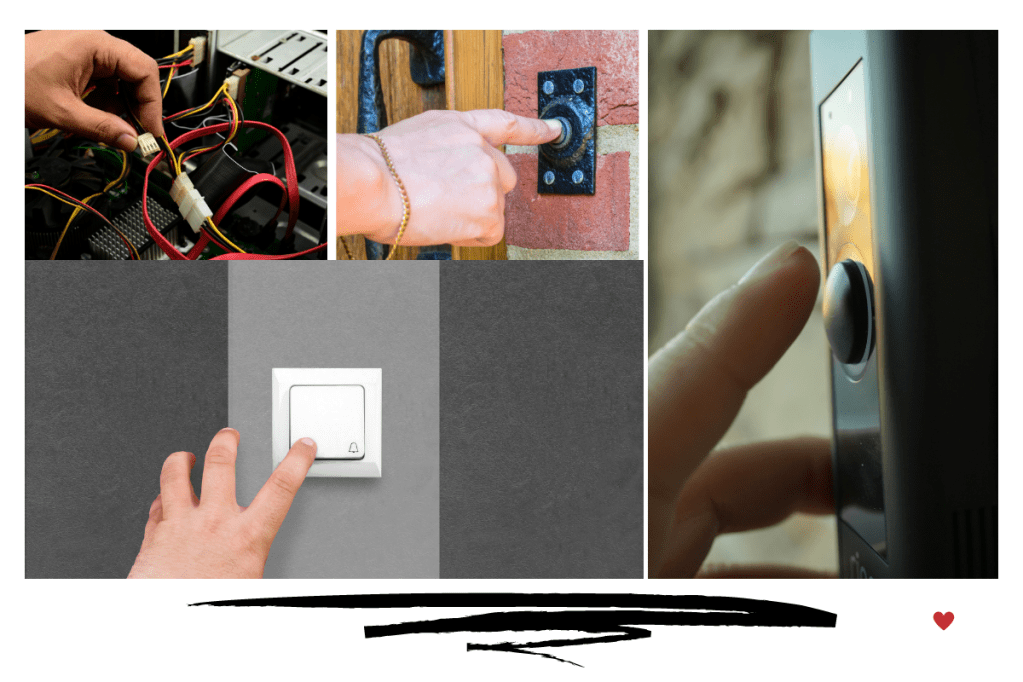
Wired versus Wireless Doorbells: Which is Better?
Wired Doorbells
Wire-based doorbells are the traditional option and have been used for decades. Expert installation is essential as they are tied into the home’s electrical infrastructure. While this may appear to be a downside, it truly means that wired devices are often more reliable and have a longer lifespan than wireless options.
Pros:
- Reliable: On general, wired doorbells are more trustworthy than wireless doorbells. As they are hardwired into the home’s electrical infrastructure, they do not require batteries or a wireless connection.
- Longer Lifespan: Because they do not require batteries, wired doorbells frequently have a longer life than their wireless counterparts.
- More Secure: Wired doorbells are normally more secure than wireless doorbells as they cannot be hacked or tampered with in the same way.
Cons:
- Wire doorbells must be properly installed, which may be pricey.
- When a wired doorbell has been installed, it could be difficult to remove or reposition it. This can be troublesome if you decide to restructure your house or migrate.
Wireless Doorbells
Wireless doorbells, on the other hand, are gaining popularity thanks to their adaptability and ease of installation. They are powered by batteries and may be set anywhere within the receiver’s range. This means they may be moved or repositioned without the requirement for further wiring or installation.
Pros:
- Affordable: Wireless doorbells are frequently less expensive than wired doorbells and may be obtained for as little as $20.
- Easy to install: Wireless doorbells are relatively basic to install, which means you can do it yourself without any professional help.
- Flexible: Since they do not require any connection, wireless doorbells may be set anyplace within the range of the receiver. This makes them an excellent solution for those who desire to rearrange their residences occasionally.
Cons:
- Battery-powered: Wireless doorbells rely on batteries, which need to be recharged sometimes. This may be a hassle and may result in additional maintenance expenses.
- Susceptible to interference: Wireless doorbells are more vulnerable to interference from other wireless devices, which may affect their reliability.
- Lower longevity: As they rely on batteries, wireless doorbells may have a shorter lifetime than wired doorbells.
Wireless doorbells have been more popular in recent years owing to their simplicity of installation and adaptability. Unlike conventional doorbells, wireless doorbells do not need any wiring or drilling into walls. They are powered by batteries and may be put anywhere within the receiver’s range. The receiver can be positioned anywhere in the home, making it simple to hear the doorbell no matter where you are.
Wireless doorbells come in a range of shapes and designs, from simple chimes to video doorbells with motion sensors and two-way communication. They are also quite affordable, with costs beginning at under $20 for a basic model. Yet, there are several negatives to wireless doorbells. For example, their battery life may be less than conventional doorbells, and they may be more subject to interference from other wireless devices.
Installation and Maintenance
One of the primary benefits of wireless and smart doorbells is their ease of installation. They do not require any wiring or drilling into walls, making them a perfect solution for homeowners who do not want to face a large home repair job. Most wireless and smart doorbells may be set up in a matter of minutes with minimum equipment.
In terms of maintenance, wireless and smart doorbells need little care beyond replacing batteries or charging the device as necessary. Smart doorbells may also require frequent firmware changes to assure optimal performance and security.
Installation
Wired Doorbells
- Determine where the doorbell button and chime box are situated. The doorbell button should be located near to the front entrance, while the chime box should be put in a central location inside the home.
- Turn off the power to your home’s electrical system prior to installation.
- With the provided wires, connect the doorbell button to the chime box.
- Using screws and anchors, mount the chime box to the wall.
- Restart the power and test the doorbell.
Wireless Doorbells
- Determine where the doorbell button and receiver are positioned. The doorbell button should be positioned near to your front entrance, however, the receiver may be situated wherever within range.
- Insert batteries in both the button and receiver of the doorbell.
- The doorbell button and receiver must be matched in accordance with the manufacturer’s instructions.
- Mount the receiver on the wall using screws and anchors.
- Test the doorbell to validate its working.
Tips for Selecting a Wireless or Wired Doorbell
- If you are considering a wireless or smart doorbell, there are numerous aspects to consider before making a purchase. Here are some recommendations to help you identify the best solution for your needs:
- Consider your budget. Wireless and smart doorbells come in a range of prices, so it is vital to examine how much you are willing to spend before beginning your search.
- Evaluate the traits you desire. Do you merely want a basic doorbell chime, or do you want complex features such as video monitoring and two-way communication? Make a list of the attributes that are most significant to you before beginning your search.
- Seek a device that is uncomplicated to setup and run. Wireless and smart doorbells should be uncomplicated to install and use, with clear instructions and intuitive controls.
- Read reviews and ratings from other customers. User evaluations may supply vital information on the performance and reliability of a given item.
Why Wireless Doorbells?
If you need a new doorbell, wireless doorbells are a fantastic solution. They are easy to install, do not require any electrical installation, and give a number of functions that wired doorbells lack. With so many possibilities available, it may be tough to determine where to begin. In this segment, we’ll examine several possibilities for getting a wireless doorbell for your house.
Assess the Range
The range is one of the most critical aspects to consider when selecting a wireless doorbell. The range is the maximum distance between the button and the receiving device. If you have a huge home with numerous walls and impediments, you will want a doorbell with a wider range. Look for doorbells with a range of at least 150 feet, and be sure to test the doorbell’s range before buying it to guarantee that it will operate effectively in your residence.
Consider About the Attributes You Need
The functions of wireless doorbells range from simple chimes to integrated cameras and communication systems. While selecting a doorbell, consider the attributes you require. Do you want a doorbell with multiple chime options? Do you require a doorbell connected with a video camera or intercom? Do you want a doorbell compatible with smart home devices such as Alexa and Google Home? Assess your objectives and budget before picking a doorbell with the appropriate attributes.
Search for Easy Installation
One of the main advantages of wireless doorbells is their ease of installation. Look for doorbells that come with clear instructions and all the gear you need to install them. Some doorbells include adhesive backing or suction cups, making installation easier. It may be difficult and time-consuming to install doorbells that necessitate intricate wiring or electrical installation.
Read Reviews
While selecting a wireless doorbell, you should examine user reviews. Examine reviews that emphasize the doorbell’s range, installation ease, and overall performance. Likewise, you may visit online forums and message boards to discover what other homeowners have to say about different doorbell brands and models.
Consider the Reputation of the Brand
Also, it’s vital to examine the reputation of the firm before you acquire a wireless doorbell. Pick organizations with a solid reputation for quality and reliability. You may pay a bit more for a well-known brand, but it’s often worth it for the peace of mind that comes with knowing you’re receiving a high-quality product.
Conclusion
Conventional doorbell wirings have been replaced with wireless doorbells, which give a more practical and less complex choice. In shopping for a wireless doorbell, it is vital to take into account a number of different criteria, including its range, features, simplicity of installation, and the reputation of the maker. You will be able to pick the best doorbell for your property if you take all of these aspects into account, and then you will be able to take benefit of reliable and convenient doorbell service for many years to come.
 Hey Singapore