
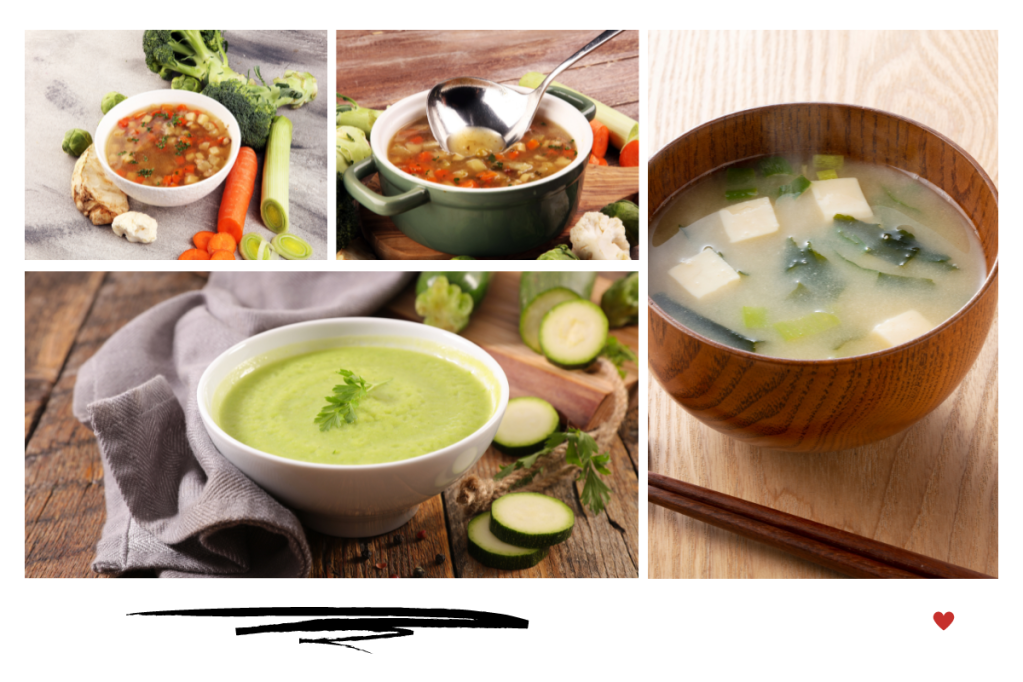
Soup and Style: Incorporating Soup Bowls into Table Setting Design
Even though its primary use is to hold soup, soup bowls can also be used as decorative table accents. There are a few essentials to remember when planning a tablescape that includes soup bowls. Factors to consider are the formality of the event, the event’s subject, and the table’s overall beauty.
Fine china or porcelain soup bowls are a great choice for formal events like weddings and black-tie dinners. An elegant table arrangement would benefit from the use of these materials due to their refined and refined appearance. Soup bowls made of earthenware or stoneware with a rustic or natural feel are another option for a more relaxed gathering.
You should also think about the soup bowl‘s size and shape. Soups that are clear or have a light broth do best in large, shallow bowls, whereas soups that are thick and hearty do better in smaller, deeper bowls. It’s also important to find a bowl that complements the soup’s hue for a more polished presentation. Serving a bright tomato soup in a white or cream-colored bowl is a great choice to highlight the soup’s striking hue, while a rich mushroom soup looks great in a dark brown or earth-toned dish.
From Classic to Contemporary: Choosing Soup Bowls that Fit Your Aesthetic
There is a vast range of soup bowls available, from traditional to modern. Picking for a soup dish that compliments your decor can let you express your sense of style while you eat. Think about the decor of your home and the soup you’ll be serving in the bowl to help you decide on a design.
Soup bowls with detailed patterns, gold or silver edging, and other opulent embellishments are a great choice for individuals who prefer more classic styles. These bowls are perfect for weddings, anniversaries, and other formal events due to their classic beauty. Soup bowls with simple shapes, bright colors, and no frills may be more your style if you’re going for a more contemporary look. These bowls are equally at home in conventional or avant-garde interiors.
While looking for a soup bowl that complements your decor, the material it’s produced from is another consideration. Stoneware and earthenware have a more rustic and natural feel than fine china and porcelain, which are both traditional materials with a delicate and refined appearance. You might go for a more contemporary style with glass soup bowls, or go for an industrial feel with metal bowls. Picking for a soup dish that compliments your own sense of style and taste may make mealtime feel special and one-of-a-kind.
Soup Bowls as a Canvas: Creative Soup Presentation Techniques
Creative uses of soup bowls as canvases have become increasingly popular in recent years. Using a white bowl and artistically arranging the contents is one option. With a toothpick, you can make a design in a swirl of cream or yogurt on top of the soup. Or, you can create a stunning and vibrant display by placing the toppings in a ring around the bowl’s rim.
Bowls of soup can be utilized to make an aesthetically pleasant presentation. It is possible to improve the appearance of the soup by paying attention to the bowl’s form, size, and color in conjunction with the soup’s ingredients. Soups with different textures and flavors call for different serving vessels; those with a smoother consistency benefit from a deep, rounded bowl, while others with more texture and flavor from a wider, shallower one.
Adding visual contrast through the use of contrasting textures and colors is another inventive approach. You can use colorful veggies like cherry tomatoes or thinly sliced radishes to bring a pop of color to a neutral-toned soup, or you can top a creamy soup with a crispy garnish like croutons or fried onions.
The use of a variety of dishes to display the soup and its toppings is another option. You can serve a bowl of tomato soup with croutons and chopped herbs. A beautiful and tasty presentation can be achieved by using bowls of contrasting colors and adding a variety of garnishes with contrasting textures.
Last but not least, the bowls the soup is served in can be used to set the mood or tell a tale. Serve your seafood chowder out of a bowl shaped like a seashell, or your vegetable soup out of a dish resembling a flower pot. A bowl of soup can serve as a blank slate upon which a narrative can be built.
The Power of Garnish: Enhancing Soup Presentation with Toppings and Accents
A well-presented bowl of soup is enhanced by the addition of garnishes that heighten the senses and heighten the experience. An attractive garnish can do wonders for the taste, texture, and visual appeal of a bowl of soup. This piece will examine the significance of garnish in improving the visual appeal of soup.
Adding a variety of toppings and accents to your soup can boost its visual appeal and give it a new dimension of flavor and texture. Chopping up some fresh herbs like parsley or cilantro and sprinkling them over the soup is a great way to give a burst of flavor and aroma. For a tangy and flavorful finish, dollop some sour cream, crème fraîche, or yogurt on top of the soup and sprinkle with finely chopped chives or onions.
A sprinkle of truffle oil or some crumbled bacon on top of the soup makes for an elegant presentation. You can impress your visitors with the extravagant taste of this dish by adding these sumptuous toppings. You may also improve the taste and texture of the soup by sprinkling it with sea salt or freshly cracked black pepper.
A soup’s reception and enjoyment are greatly influenced by the toppings chosen to complement it. For maximum flavor and visual appeal, a garnish should be used on soup. A soup can be made creamier by adding a drizzle of olive oil or a dollop of sour cream, or it can be made spicier by adding chopped jalapenos or a sprinkle of cayenne pepper.
Soup presentation can be improved by strategic placement of the garnish. Both the center of the soup and the side of the bowl are suitable locations for a garnish. For instance, a sliced avocado in the middle of a bowl of gazpacho or a sprig of rosemary on the side of a bowl of mushroom soup would work well as garnishes. Depending on where you put the garnish, your dish can go from plain to spectacular.
As a final touch, you might use the soup’s garnishes to tell a tale or establish a theme. Adding a carrot curl and a celery leaf to a bowl of vegetable soup, for instance, can turn the dish into a miniature garden. To enhance the presentation of the soup, the garnish becomes an integral part of the dish.
Beyond Soup: Alternative Uses for Soup Bowls in Food Presentation
Soup bowls are an underappreciated and multipurpose component of any decent spread. But, its versatility extends much beyond their original purpose of serving soup. This article will examine how soup bowls may be used in other ways to serve food, including to make dishes that are both delicious and visually appealing.
Presenting food is an art form that requires skill and imagination to create dishes that will entice the diner’s senses. Salads, pastas, and even desserts can all be served in soup bowls. The bowl’s size and form can be utilized to draw attention to the food inside.
There is no need to limit the use of soup bowls to just that. Salads, pastas, and rice bowls are just some of the numerous foods that look great served in them. You may make a pretty presentation by layering the ingredients in the bowl, starting with the base and working your way up to the toppings. Using greens as a base, you can then layer cooked quinoa or brown rice, grilled chicken, roasted veggies, and vinaigrette on top.
Desserts like crème brûlée and fruit crumbles can also be served in individual soup bowls. Besides being aesthetically pleasing, these individual portions make each meal feel more special. You can amaze your guests with a more refined meal presentation by employing soup bowls in novel ways.
Making layered foods in soup bowls is one way to wow guests with your culinary skills. A transparent soup dish is perfect for displaying a layered salad’s vibrant toppings. A beautiful and delicious meal may be made by rearranging the layers in various ways.
To make individual servings, soup bowls can be used in a variety of ways beyond just soup. An individual portion of spaghetti, for instance, can be given in a soup bowl. This method shines when used to prepare meals for a group, as individual portions are both more practical and aesthetically pleasing.
Desserts served in soup bowls may be both aesthetically striking and completely original. The bowl’s size and shape can be used to enhance the presentation of the dessert and make for a more memorable meal. A fruit crumble, for instance, can be given in a shallow soup bowl with the fruit and crumble topping artistically arranged.
It’s also possible to make individual servings of custard or pudding in soup bowls. A tasty and visually stunning dessert can be made by topping the bowls with whipped cream or fresh fruit. Desserts served in soup bowls are an innovative and creative way to add a special touch to any dinner.
 Hey Singapore