
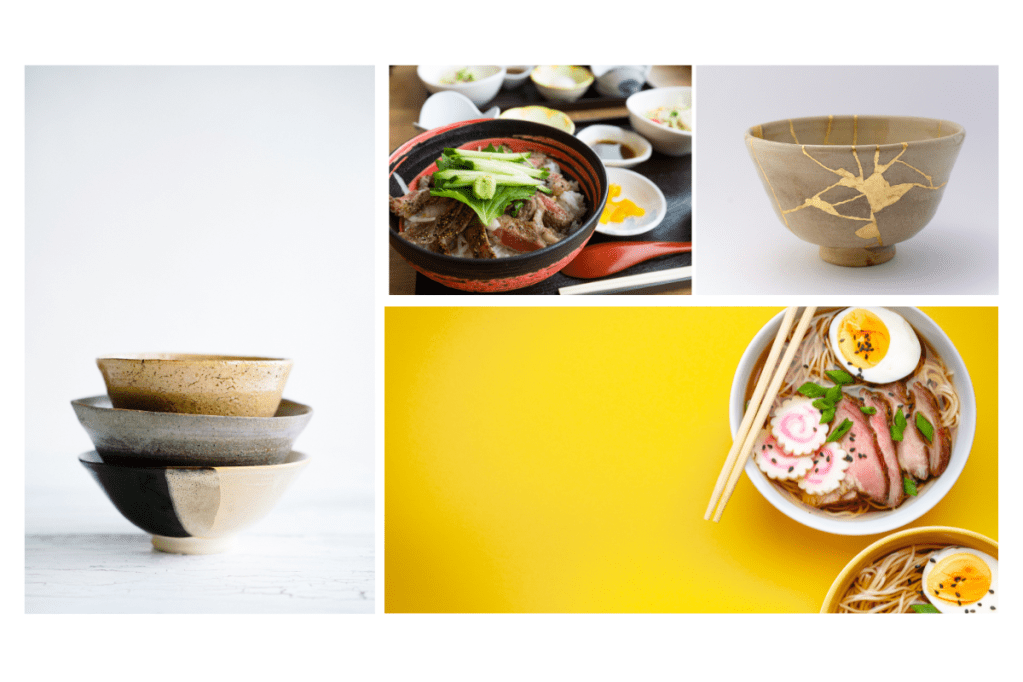
Japanese bowls are a testament to the exquisiteness and cultural opulence of Japan. These vessels are not merely utilitarian objects but rather a symbol of the intricate craftsmanship, ingenuity, and creativity of the Japanese people across centuries. From their nascent form in the Jomon period to the elaborate designs in the Edo period, Japanese bowls have been integral to Japanese culture and a way of life.
Japanese bowls have served a plethora of purposes throughout history, from religious ceremonies to daily meals. The shape, size, and design of the bowl are thoughtfully considered, matching the food being served or the individual’s personality during tea ceremonies. Furthermore, Japanese bowls possess spiritual and symbolic significance, representing a conduit of communication between the corporeal and spiritual worlds in Shintoism.
The Japanese aesthetic principle of wabi-sabi is also palpable in the loveliness of Japanese bowls. Imperfection and rusticity are celebrated as a reflection of the impermanence of life, making imperfect and handmade bowls even more valuable than their perfectly crafted counterparts.
In conclusion, Japanese bowls are not just functional but also an embodiment of Japan’s cultural heritage and artistic expertise. The intricacies of their designs and the symbolism they carry represent centuries of Japanese history and culture. Japanese bowls remain an indispensable part of Japanese culture and serve as a reminder of the allure that can be discovered in the flawed.
There are various types of Japanese bowls, each with its unique shape, size, and purpose. Let’s take a look at some of the most common Japanese bowls and their uses.
Chawan: Chawan is a type of bowl that is used for serving tea during Japanese tea ceremonies. These bowls are often handcrafted and come in various shapes and sizes. The size and shape of the chawan are selected based on the individual’s preference and the occasion.
Donburi: Donburi bowls are large, deep bowls used for serving rice and other dishes. These bowls are often decorated with colorful designs and patterns, and they come in various sizes.
Wan: Wan is a type of bowl that is used for serving soup and noodle dishes. These bowls are shallow and wide, making it easy to eat the soup or noodles with chopsticks.
Yunomi: Yunomi bowls are small teacups that are used for drinking green tea. These cups are often decorated with intricate designs and patterns, making them both functional and visually appealing.
Katakuchi: Katakuchi is a type of bowl used for pouring liquids such as sake or soy sauce. These bowls have a spout that makes it easy to pour liquids without spilling.
Now let’s take a look at some traditional Japanese bowls and their unique features:
Hagi Ware Chawan: Hagi Ware Chawan is a type of chawan made from Hagi clay, which is known for its rustic and earthy appearance. These bowls are often asymmetrical and have a rough texture, making them perfect for a traditional Japanese tea ceremony.
Seto Ware Yunomi: Seto Ware Yunomi is a type of yunomi bowl made in Seto, a city in central Japan known for its ceramics. These cups are often decorated with intricate designs and patterns, and they have a thin and delicate feel.
Arita Ware Donburi: Arita Ware Donburi is a type of donburi bowl made in Arita, a town in southern Japan known for its porcelain. These bowls are often decorated with blue and white designs, and they are known for their durability and strength.
In conclusion, Japanese bowls are an integral part of Japanese culture and heritage. From serving tea to soup and rice, these bowls come in various shapes and sizes and have unique features that make them both functional and visually appealing. Whether you are using a traditional Japanese bowl or a modern one, the beauty and significance of these bowls remain the same.
Traditional Japanese pottery techniques have been passed down through generations, and they continue to be used today to create high-quality Japanese bowls. These techniques require patience, skill, and attention to detail, making the craftsmanship of Japanese bowls an important part of their significance and cultural value.
One traditional method of creating Japanese bowls is hand-building, which involves using hands to shape the clay into the desired form. This method allows for a more organic and natural look, and it is often used to create rustic or traditional-style bowls.
Another traditional method is wheel throwing, which involves using a pottery wheel to shape the clay into the desired form. This method allows for greater precision and consistency, and it is often used to create more refined or modern-style bowls.
Japanese potters also use various techniques to decorate their bowls. One such technique is known as Mishima, which involves carving a design into the clay and then filling it with a contrasting color. Another technique is known as Kintsugi, which involves repairing broken pottery by filling the cracks with gold lacquer, creating a beautiful and unique design.
Craftsmanship and skill are crucial to creating high-quality Japanese bowls. Japanese potters often spend years mastering their craft and perfecting their techniques. They pay close attention to every detail, from the type of clay used to the firing temperature and glazing technique, to ensure that each bowl is of the highest quality.
The role of craftsmanship in creating Japanese bowls extends beyond the technical aspects of pottery-making. It also involves a deep understanding and appreciation of Japanese culture and aesthetics. Japanese potters often draw inspiration from nature and the beauty of imperfection, creating bowls that embody the wabi-sabi aesthetic.
In conclusion, traditional methods and techniques, as well as the craftsmanship and skill of Japanese potters, play an essential role in creating high-quality Japanese bowls. These bowls not only serve a functional purpose but also reflect the beauty and cultural significance of Japanese art and aesthetics.
The materials used in Japanese bowl-making play a significant role in the appearance, functionality, and cultural significance of the bowls. Here are some of the common materials used in Japanese bowl-making and their unique properties and characteristics:
Clay: Clay is one of the most common materials used in Japanese bowl-making. There are various types of clay used, each with its unique properties. For example, Bizen clay is known for its durability and rough texture, while Shigaraki clay is known for its natural ash glaze. Clay is often chosen for its ability to hold heat and its porous nature, which allows it to absorb flavors and aromas over time.
Porcelain: Porcelain is a type of ceramic that is fired at high temperatures, resulting in a smooth, hard, and translucent finish. Porcelain is often chosen for its delicate appearance and ability to showcase intricate designs and patterns. Arita porcelain, for example, is known for its blue and white designs, while Imari porcelain is known for its colorful designs.
Wood: Wood is another material used in Japanese bowl-making. Wooden bowls are often carved by hand, and they are known for their warm and natural appearance. Wooden bowls are often used for serving rice and noodle dishes, as wood does not absorb heat, making it easy to hold and eat the hot food.
Each of these materials has unique properties that make them suitable for different types of bowls and purposes. Whether it’s the rough texture of Bizen clay, the delicate appearance of porcelain, or the warm and natural appearance of wood, the material used in Japanese bowl-making is an integral part of the bowl’s aesthetic and functionality.
In conclusion, the materials used in Japanese bowl-making play a significant role in the appearance and functionality of the bowls. From clay to porcelain to wood, each material has its unique properties and characteristics that contribute to the cultural significance of Japanese bowls. By using these materials and traditional techniques, Japanese potters continue to create high-quality and beautiful bowls that embody the beauty and culture of Japan.
 Hey Singapore