
Tableware, the encompassing term for the utensils and vessels employed to present food in style, is an indispensable aspect of any culinary excursion. For centuries, tableware has been revered as an art form that transcends its practical function, instead, it adds an unparalleled level of aesthetic grandeur and epicurean pleasure to the dining experience.
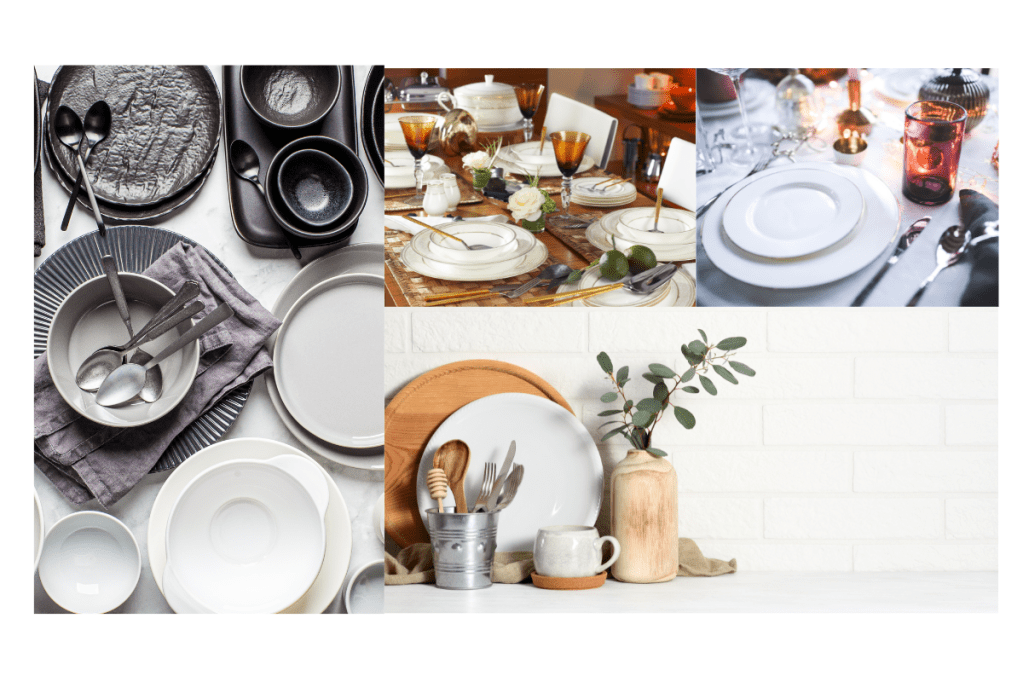
Tableware is not merely a tool to serve food, but a gateway to elevated sensory engagement. It is the catalyst that unlocks an opulent sensory experience, from the delicate beauty of the designs to the physical and visual appeal of the dishes themselves.
The mastery of tableware elevates the dining experience beyond a mere task to a grandiose affair. It allows individuals to exercise their artistic creativity in terms of design and visual appeal, adding a personalized touch to every meal.
In essence, tableware transcends its functional purpose to become a harmonious extension of the meal itself, creating an ambiance of grandeur, luxury, and refinement. From the selection of materials to the design, it is the perfect embodiment of creativity, style, and elegance. In short, tableware is not just a practical tool, but a work of art that deserves the utmost admiration and appreciation.
Every facet of tableware, from the choice of materials to the presentation and cultural customs, plays an instrumental role in shaping an unforgettable dining experience.The art of tableware, an embodiment of culinary elegance and refinement, presents an alluring collection of materials, each with its unique charm and charisma. Each material has its unique qualities that contribute to the overall functionality and aesthetic appeal of the tableware. The exquisite intricacies of fine china, paired with the dazzling brilliance of crystal, form a classic combination, appropriate for an array of formal occasions. Meanwhile, the raw, earthen charm of stoneware or earthenware brings a more casual and laid-back vibe, perfect for cozy family dinners or intimate gatherings.
It is of utmost importance to acknowledge that each distinct material demands bespoke care and maintenance in order to ensure its sustained durability and the perpetuation of its magnificence. The artisanal procedure involved in the creation of each material, whether it be the refined delicacy of handcrafted porcelain or the meticulous exactitude of stainless steel, contributes an extra layer of ingenuity and distinctiveness to the tableware.
The preservation of the beauty of these materials is an art form in and of itself, requiring specific care and maintenance. Conversely, stainless steel, while sturdier, must be kept away from harsh chemicals and abrasive sponges to avoid scratching its surface.
The artisanal process behind each material used in tableware adds a level of sophistication and exclusivity that distinguishes it from the mundane. The unique nuances and intricacies that characterize each material serve to heighten the visual and tactile experience of dining, elevating it to a level beyond mere sustenance.
In addition, the design and presentation of tableware is a vital factor in creating an unforgettable dining experience. Tableware designs vary significantly, from minimalist and functional to elaborate and ornate, each reflecting the occasion and the atmosphere. Tableware size, shape, and texture, whether smooth or grooved, contribute to the visual appeal and impact of the table setting.
The design of tableware can also vary widely, from minimalist and functional to elaborate and decorative. Some tableware features intricate patterns and designs, while others emphasize simplicity and clean lines.
Proper care and maintenance of tableware is also important for its longevity and continued beauty. Following the manufacturer’s instructions for cleaning and storage can help prevent damage and ensure that the tableware lasts for many years. In addition, proper storage techniques can help prevent chipping, cracking, and other damage.
Tableware is not restricted solely to domestic settings, but rather, exerts a pivotal function in the realm of foodservice enterprise. Restaurants and hotels rely heavily on high-quality and durable tableware to serve their guests. In addition to being functional, tableware in the foodservice industry must also be aesthetically pleasing and fit the overall theme of the establishment. Custom-made tableware is becoming increasingly popular to set establishments apart and create a unique brand identity.
Tableware also plays an important role in cultural customs and traditions. Each culture has its own unique set of customs and traditions surrounding tableware and dining etiquette. Tableware can also be used to mark special occasions and celebrations, such as weddings and holidays. In recent years, the trend of tablescaping has emerged, which involves the art of creating elaborate and visually stunning table settings to express one’s personality and style.
Furthermore, tableware is a reflection of one’s personal style and values. Choosing the right tableware can express one’s taste and personality, from selecting modern and minimalist designs to vintage and antique pieces. Tableware can also reflect one’s values, such as choosing eco-friendly and sustainable materials to reduce environmental impact.
Tableware also plays a crucial role in the hospitality industry, from high-end restaurants to casual cafes. The table setting and tableware used can influence the customer’s perception of the establishment, and high-quality tableware can create a luxurious and welcoming atmosphere. The tableware must also be functional and practical, with the right size and shape for each dish and easy to clean and maintain.
Cultural customs and traditions also influence the choice of tableware. For example, in Japanese culture, tableware is often minimalist and functional, with emphasis on natural materials such as wood and ceramics. In contrast, Western cultures often feature more elaborate and decorative designs, with intricate patterns and motifs. Certain types of tableware are also believed to bring good luck and prosperity, such as the Chinese tradition of using red plates and bowls during the Lunar New Year.
In recent years, the trend of tablescaping has emerged, which involves the art of creating elaborate and visually stunning table settings. Tablescaping can involve selecting the right tableware, linens, and centerpieces to create a specific theme or mood, such as a rustic outdoor setting or a romantic candlelit dinner. It’s a fun and creative way to elevate any meal and create a special atmosphere.
In conclusion, tableware plays a crucial role in creating a memorable and enjoyable dining experience. From the materials and designs to the cultural customs and table scaping trends, each element contributes to the overall ambiance and enjoyment of the meal. By selecting the right tableware and caring for it properly, we can express our personal style and values, create a welcoming atmosphere, and make any meal feel like a special occasion.
Cups and saucers are commonly utilized for dispensing tea and coffee, and they are obtainable in an array of designs, ranging from austere and traditional to daring and contemporary. Glassware too, is presented in sundry shapes and dimensions, encompassing wine goblets, champagne coupes, and highball glasses. Cutlery, such as forks, knives, and spoons, are used for eating and come in various designs and sizes to accommodate different types of dishes.
Tableware can be crafted from a multitude of diverse elements, spanning from ceramics, porcelain, and glass, to stainless steel and wood. Each element proffers a distinctive set of properties, such as tenacity, thermal resistance, and visual allure. Fine china and crystal are often used for formal occasions, while more casual settings may call for stoneware or earthenware. Wooden tableware is also becoming popular for its natural and rustic appeal.
The design of tableware can also vary widely, from minimalist and functional to elaborate and decorative. Some tableware features intricate patterns and designs, while others emphasize simplicity and clean lines. The configuration and dimensions of plates, bowls, and cutlery can significantly impact the gastronomic encounter, altering the food’s appearance and mode of ingestion.
In addition to the materials and design, proper care and maintenance of tableware are crucial to ensure its longevity and continued beauty. Following the manufacturer’s instructions for cleaning and storage can help prevent damage and ensure that the tableware lasts for many years. In addition, proper storage techniques can help prevent chipping, cracking, and other damage.
When selecting tableware, it’s important to consider the occasion and the setting. Formal occasions may call for more elaborate and decorative designs, while more casual settings may require simpler and more practical designs. It is likewise imperative to contemplate the number of invitees and the dimensions of the table, to guarantee adequate provisions of tableware and to ascertain the table arrangement exudes harmony and esthetic allure.
In addition to the materials and design, tableware can also be customized to add a personal touch. Many companies offer personalized tableware, such as plates and glasses with customized designs or monograms. These can prove to be exceedingly advantageous for momentous junctures such as nuptials or commemorative anniversary dinners, and furthermore, they serve as exemplary offerings.
Proper care and maintenance of tableware are also important to ensure its longevity and continued beauty. When cleansing tableware, it is imperative to exercise prudence and employ mild detergents whilst circumventing the use of acerbic substances that can instigate pernicious effects on the material composition. It’s also important to dry the tableware thoroughly to prevent water spots and mold growth. Proper storage is also crucial to prevent damage, such as chipping and cracking.
In conclusion, tableware plays a crucial role in creating a memorable dining experience, from the materials and design to the environmental impact and personalization. By choosing the right tableware and caring for it properly, we can express our personal style and values, create a welcoming atmosphere, and make any meal feel like a special occasion. Irrespective of whether it is a modest family meal or an extravagant soirée, the apt selection of tableware can engender a profound impact in shaping an indelible and gratifying dining experience.
 Hey Singapore