
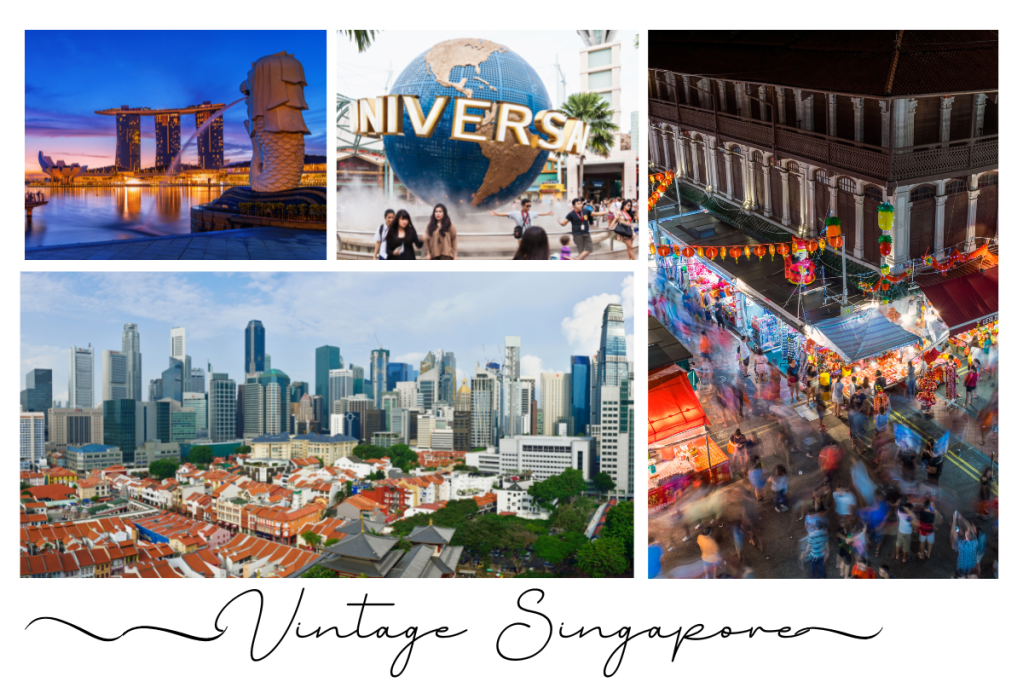
The term “vintage” has gained substantial traction in recent years, denoting anything from a previous era that is imbued with a distinct character and historical significance. From vintage apparel to antique furniture, such items have emerged as highly sought-after commodities in contemporary society.
In Singapore, the vintage scene has steadily burgeoned as an ever-increasing number of people uncover the charm of this city-state’s rich history and cultural heritage. The country boasts a fascinating past that commenced with its establishment as a trading post in 1819 by Sir Stamford Raffles, rapidly transforming into a vital center for trade, drawing immigrants from various parts of Asia, such as India, China, and more.
Over time, Singapore has undergone countless transformations, having been occupied by Japan during World War II, gaining independence from Britain in 1963, joining Malaysia, and finally securing complete independence in 1965. Throughout its storied history, Singapore has faced numerous challenges and undergone significant changes while remaining an animated and dynamic metropolis.
Presently, Singapore is an energetic city-state, replete with a thriving economy and a diverse cultural scene. Its architecture, food, and fashion reflect its cultural heritage, with the vintage scene standing as a testament to Singapore’s abiding appeal.
In the ensuing sections of this article, we shall embark on an exploration of vintage Singapore, covering its fashion, food, and historical landmarks. We shall also delve into the future of vintage in Singapore and its contribution to the country’s culture. So whether you are an aficionado of vintage or merely interested in Singapore’s history, join us as we embark on a journey through the city-state’s distinctive and intriguing vintage scene.
join us as we take a journey through the city-state’s unique and fascinating vintage scene.
Singapore has become a hub for vintage enthusiasts in recent years, with a growing number of shops and boutiques specializing in vintage fashion, accessories, and other items. From vintage clothing and furniture to antique jewelry and collectibles, the city-state has something to offer for everyone interested in exploring its rich history and culture.
Overview of the Vintage Singapore Scene
The vintage scene in Singapore is an eclectic and diverse one, boasting an array of establishments catering to discerning tastes and unique styles. Haji Lane, Bugis Street, and Chinatown are among the most notable areas for vintage shopping, each boasting a plethora of boutiques selling a wide assortment of vintage treasures, ranging from apparel and accessories to antique furniture and collectibles.
Among the vintage shops, the Redundant Shop stands out as a prominent hotspot, situated in the heart of Chinatown. The boutique specializes in an impressive selection of vintage clothing and accessories, encompassing different eras and styles. Additionally, Nostalgia Queen has garnered a considerable following, offering an exquisite curation of vintage clothing and accessories from the 1920s to the 1980s. For connoisseurs of antique jewelry and accessories, the Vintage Empire is a must-visit, presenting a diverse selection of vintage and antique trinkets, including stunning brooches, earrings, and necklaces.
.
Examples of Vintage Fashion and Accessories
Vintage fashion is one of the most popular aspects of the vintage scene in Singapore, with many shops specializing in vintage clothing and accessories. From vintage dresses and suits to retro t-shirts and accessories, there is something for everyone interested in vintage fashion.
One popular vintage trend in Singapore is the cheongsam, a traditional Chinese dress that became popular in the 1920s and 1930s. Many vintage shops in Singapore sell cheongsams from different eras, with a wide range of styles and colors to choose from. Another popular vintage trend is the retro t-shirt, with many shops selling vintage t-shirts featuring popular bands, movies, and TV shows from the 1970s and 1980s.
In addition to clothing, vintage accessories are also a popular item in Singapore. Vintage watches, for example, are a popular accessory for both men and women, with many vintage shops selling timepieces from different eras and brands. Vintage handbags, hats, and scarves are also popular items, with many vintage shops offering a wide selection of styles and colors.
Singapore’s rich history and diverse cultural influences have led to a unique and delicious culinary heritage. From traditional hawker centers to chic cafes and restaurants, the vintage food scene in Singapore offers a wide range of options for foodies and enthusiasts alike.
Popular Vintage Singapore Cafes and Restaurants
One of the most popular vintage cafes in Singapore is the Tiong Bahru Bakery, located in the trendy Tiong Bahru neighborhood. The bakery has been serving up delicious pastries and bread since the 1940s, with a focus on French-style baking techniques. The cafe’s vintage decor and atmosphere make it a popular spot for both locals and tourists.
Another popular vintage cafe is the Chin Mee Chin Confectionery, which has been around since the 1950s. The cafe specializes in traditional Singaporean breakfast items, such as kaya toast and soft-boiled eggs, as well as a variety of cakes and pastries. The cafe’s vintage decor and atmosphere, including its marble tabletops and old-school ceiling fans, make it a unique and memorable experience.
For those looking for a more upscale vintage dining experience, the Raffles Hotel’s Tiffin Room is a must-visit. The restaurant has been serving up traditional high tea since 1892, with a menu that includes classic British favorites as well as local Singaporean dishes. The restaurant’s vintage decor and colonial-era atmosphere make it a popular spot for special occasions and celebrations.
Examples of Vintage Singapore Food and Drinks
One of the most popular vintage Singaporean dishes is the Hainanese chicken rice, a simple yet delicious dish that has become a staple in the city-state’s food scene. The dish consists of poached chicken served on a bed of fragrant rice, with a side of chili sauce and soy sauce for dipping. Many vintage cafes and restaurants in Singapore serve up their own take on the dish, with each one offering a unique and delicious variation.
Another popular vintage Singaporean drink is the Sling, a cocktail that was first created at the Raffles Hotel’s Long Bar in the early 1900s. The drink consists of gin, cherry brandy, Cointreau, and pineapple juice, among other ingredients. The drink’s vintage origins and classic taste make it a popular choice among locals and tourists alike.
Singapore’s rich history and cultural heritage are reflected in its architecture, landmarks, and historical buildings. Exploring vintage Singapore can be a fascinating experience, taking you on a journey through time and offering a glimpse into the city-state’s past. Here are some of the most notable landmarks and vintage tours to explore in Singapore:
Historical Landmarks and Buildings
One of the most iconic historical landmarks in Singapore is the Raffles Hotel, which has been welcoming guests since 1887. The hotel’s colonial-era architecture and vintage decor make it a popular spot for tourists and locals alike. The hotel has hosted numerous famous guests over the years, including writers Rudyard Kipling and Ernest Hemingway, as well as celebrities such as Elizabeth Taylor and Charlie Chaplin.
Another historical landmark in Singapore is the Sri Mariamman Temple, the oldest Hindu temple in the city-state. The temple dates back to 1827 and is located in the heart of Chinatown. The temple’s intricate architecture and colorful decorations make it a popular spot for visitors to Singapore.
The National Museum of Singapore is also a must-visit for those interested in exploring vintage Singapore. The museum traces the city-state’s history from its early days as a fishing village to its emergence as a modern metropolis. The museum’s exhibits include artifacts and memorabilia from Singapore’s past, as well as interactive displays that allow visitors to experience the city-state’s history firsthand.
Vintage Tours and Experiences
For those looking to explore vintage Singapore in a more immersive way, there are numerous vintage tours and experiences available. One popular option is the Singapore Heritage Tour, which takes visitors on a journey through the city-state’s history and cultural heritage. The tour includes stops at historical landmarks such as the Merlion statue and the colonial-era Raffles Hotel.
Another vintage tour option is the Singapore River Cruise, which takes visitors on a scenic journey down the Singapore River. The tour includes stops at historical landmarks such as the Clarke Quay and Boat Quay, as well as commentary on the city-state’s history and culture.
For those looking for a more interactive vintage experience, the Chinatown Heritage Center is a must-visit. The center offers a glimpse into the lives of early Chinese immigrants in Singapore, with exhibits and displays that recreate the living conditions and lifestyle of the city-state’s early residents.
Singapore is a city-state known for its modernity and forward-thinking approach. As the city-state looks to the future, there are a number of trends and predictions that are likely to shape its development in the years to come. However, even as Singapore looks forward, it’s important to consider how its rich cultural heritage, including its vintage past, can contribute to its future.
Current Trends and Predictions
Singapore’s future is underpinned by several trends that underscore its position as a global leader. One of the most pronounced of these trends is the country’s continued emphasis on innovation and technological advancement, which has propelled Singapore to the forefront of the global innovation landscape. In particular, Singapore is directing substantial investment towards research and development in emerging areas such as fintech, biotech, and artificial intelligence, as it seeks to maintain its competitive edge in the rapidly evolving global technological landscape.
Sustainability and environmental stewardship are also likely to be key drivers of Singapore’s future development. With a long-standing track record of leadership in green initiatives, Singapore has demonstrated a firm commitment to sustainable development. Its efforts to promote eco-friendly architecture, renewable energy, and green transportation systems are expected to become even more pronounced, as Singapore continues to seek out innovative ways to protect the environment while supporting economic growth.
In addition to these trends, Singapore’s future is also likely to be shaped by its continued emergence as a vital hub for trade and commerce. As one of the world’s leading financial centers, Singapore plays a critical role in regional and global economic affairs, and its strategic location and well-developed infrastructure are poised to drive growth in sectors such as logistics, shipping, and e-commerce.
Moreover, Singapore’s cultural diversity and commitment to social inclusion will also shape its future. The country has long been celebrated for its multiculturalism, and its efforts to promote cross-cultural exchange and understanding have helped to establish Singapore as a beacon of social progress and tolerance.
The Role of Vintage in Singapore’s Culture
Even as Singapore looks to the future, it’s important to remember its rich cultural heritage and the role that vintage can play in preserving and promoting that heritage. Singapore’s vintage past is reflected in its architecture, landmarks, and cultural traditions, and provides a unique window into the city-state’s history and cultural identity.
One way that vintage can contribute to Singapore’s culture is through the preservation and restoration of historical landmarks and buildings. By maintaining these structures, Singapore can showcase its rich history and cultural heritage, while also providing unique spaces for visitors and locals to experience.
Vintage can also contribute to Singapore’s culture through its fashion and design. Vintage clothing and accessories are becoming increasingly popular, particularly among younger generations who are looking for unique and sustainable fashion options. By promoting vintage fashion and design, Singapore can tap into a growing trend while also showcasing its own unique cultural identity.
In conclusion, Singapore’s vintage scene is a vibrant and thriving aspect of the city-state’s culture. From vintage cafes and restaurants to fashion and design, vintage is a unique and important part of Singapore’s cultural identity.
As readers, there are many ways to explore vintage Singapore and to support the preservation and promotion of its heritage. Whether it’s visiting historical landmarks, trying vintage-inspired cuisine, or purchasing vintage clothing and accessories, there are endless opportunities to engage with Singapore’s vintage scene.
If you’re interested in purchasing vintage products, Table Matters is a great place to start. With a wide range of vintage-inspired items, from tableware to home decor, Table Matters provides a unique and sustainable way to add a touch of vintage charm to your life.
So why not explore vintage Singapore today? Whether you’re a visitor or a local, there’s never been a better time to discover the rich cultural heritage of this unique and dynamic city-state.
 Hey Singapore