
Looking for a sustainable and ethical alternative to animal leather in fashion? Look no further than PVC leather. Discover its benefits and uses today.
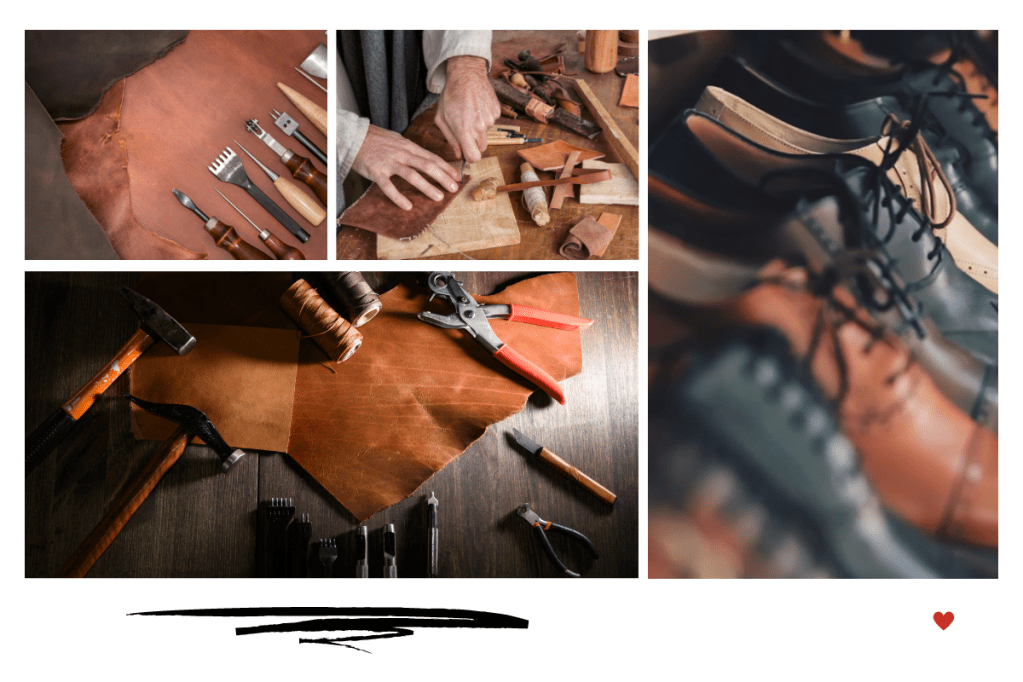
The Ethics of Animal Leather Production and its Environmental Impact
The use of animal skins in the creation of fashionable garments and accessories has a long and storied history. Recent years, however, have seen heated debate over the ethics and environmental consequences of animal leather manufacture. Animal rights advocates have voiced grave concern over the use of animal skins in the leather industry. To add insult to injury, the tanning process for animal leather uses toxic chemicals like chromium, which pollute waterways and have a negative effect on the environment.
Animal leather manufacture has been under heavy scrutiny in recent years due to ethical concerns. Animal rights groups are concerned about the use of animal skins in the leather industry because it requires killing animals. Some people think it’s wrong to exploit animals for their skins or fur and turn them into clothing since it denies those creatures their basic freedom and safety. Even more so, the use of toxic chemicals like chromium in the tanning process has a major negative effect on the environment and water supplies as a result of the widespread usage of leather from animals. The environmental and moral difficulties that arise from producing leather from animals have led to widespread condemnation of the industry.
How PVC Leather is Revolutionizing the Fashion Industry
In recent years, PVC leather—also called vegan leather or faux leather—has gained popularity as an eco-friendly substitute for genuine leather. Polyvinyl chloride (PVC) is the synthetic material used to make PVC leather. It is long-lasting, low-maintenance, and can be manufactured in a diverse palette of hues and finishes. The fact that it is far less expensive than real leather makes it a desirable material for fashion designers and shoppers alike. As PVC leather is both animal- and planet-friendly, it has caused a major shift in the fashion sector.
Animal leather has been used extensively in the fashion industry for the production of garments, footwear, and accessories. Yet alternatives like PVC leather have emerged as manufacturers become more aware of animal welfare and environmental impact. Polyvinyl chloride, the synthetic material used to create PVC leather, is preferable to animal leather from an ecological standpoint.
When compared to animal leather, PVC leather excels in several key areas: affordability, flexibility, and longevity. Designers and manufacturers frequently opt for it due to its versatility in color and texture production. The fact that it may be purchased at lower prices than genuine leather also increases its marketability. As it doesn’t involve the same ethical considerations in its production and uses less resources, PVC leather is more sustainable than animal leather.
PVC leather’s popularity has increased as it is a more eco-friendly and ethical substitute for real leather goods. It enables the production of high-quality goods with zero impact on either animal welfare or the natural environment from their design or production processes. PVC leather is expected to become increasingly more prevalent in the industry as customer demand for sustainable and cruelty-free apparel increases.
The Unique Properties of PVC Leather: Durability, Water Resistance, and Easy Maintenance
PVC leather’s many special qualities make it a great choice for use in clothing and furniture. It is appropriate for usage in high-use areas like car seats and handbags due to its longevity and resistance to wear and tear. Due to its resistance to water, PVC leather is well-suited for use in the great outdoors and on boats. PVC leather also requires nothing in the way of upkeep, as it can be wiped with a moist cloth and some light soap. PVC leather’s resistance to stains and ease of care make it a desirable substitute for more delicate materials like genuine leather.
PVC leather is highly desirable for use in the fashion and upholstery industries due to its many desirable characteristics. It can withstand a lot of usage and abuse, making it perfect for places like car seats and purses. PVC leather’s resistance to water makes it a great material for use in the great outdoors and on boats. PVC leather is also low-maintenance because it can be washed with a moist cloth and mild soap. PVC leather’s resistance to stains and ease of care make it a desirable alternative to natural leather.
The History and Evolution of PVC Leather in Upholstery
There’s a fascinating backstory to the use of PVC leather in furniture upholstery. In the 1920s, when real leather was in short supply because of World War I, this material was originally produced as a replacement. PVC leather’s initial uses were in the industrial sector, particularly in automobile upholstery and military gear. As designers began to experiment with new materials and textures in the decades following World War II, however, it found its way into furniture design. PVC leather has become increasingly popular as a sustainable and more affordable substitute to genuine leather in the upholstery industry.
PVC leather’s history as a luxurious upholstery material dates back many, many years. In the 1920s, when real leather was in short supply because of World War I, it was created as a replacement. PVC leather’s initial uses were in more industrial settings, such as auto upholstery and military gear. Yet, it was not until the postwar era that its application in furniture design spread, as creators explored new materials and textures. PVC leather is extensively employed in modern upholstery design since it is a sustainable and affordable substitute to real leather.
Comparing PVC Leather to Natural Leather in Furniture Design
There are a number of ways in which PVC leather can be used in place of real leather when crafting furniture. When compared with natural leather, PVC leather has many advantages, including lower cost, ease of care, and longevity. PVC leather also comes in a broader variety of colors and textures than natural leather, giving designers more options for creating one-of-a-kind, visually appealing products. PVC leather is a flexible and practical option for contemporary furniture design, while genuine leather has a classic and timeless appeal.
Although genuine leather has been the standard for furniture for centuries, PVC leather has recently emerged as a viable alternative. When compared to natural leather, PVC leather has many advantages, including lower cost, ease of care, and longevity. PVC leather also comes in a greater variety of colors and textures than actual leather, giving designers more options when it comes to creating distinctive and visually appealing products. In contrast to the traditional elegance of genuine leather, the adaptability and durability of PVC leather make it a great option for use in contemporary furniture. PVC leather is more sustainable than animal leather because it is both cruelty-free and environmentally friendly.
Choosing the Right PVC Leather for Different Upholstery Applications
Many aspects, including durability, texture, and color, must be taken into consideration while selecting the appropriate PVC leather for various upholstery applications. PVC leather with increased durability and abrasion resistance may be necessary in high-wear areas like automobile upholstery. Waterproof PVC leather could be useful for use in the field. Designers may also need to think about the PVC leather’s color and texture to make sure it fits in with the overall look. PVC leather is available in a wide variety, making it both a daunting and gratifying task to select the best material.
You need to think about things like durability, texture, and color when selecting PVC leather for use in upholstery. It may be necessary to use a PVC leather with increased durability and abrasion resistance in high-wear areas, such as vehicle upholstery. Waterproof PVC leather may be required for use in the field. PVC leather’s texture and color may also need to be considered by designers to achieve a harmonious final product. The process of selecting the most suitable PVC leather from the various available may be both difficult and gratifying.
The Impact of PVC Leather Production on Air and Water Quality
PVC leather may be a more eco-friendly alternative to animal leather in the fashion business, but its manufacturing has been linked to pollution of the air and water. Synthetic polyvinyl chloride, created from petrochemicals, is used in the making of PVC leather. Dioxins and phthalates are only a couple examples of the dangerous chemicals released into the air throughout the manufacturing process. Also, PVC leather manufacture uses a lot of water, which can be a problem if it isn’t properly treated.
The PVC industry has responded to these concerns by working to lessen the ecological footprint of producing PVC leather. More eco-friendly production techniques that consume less energy and release fewer emissions are one such measure. More so, there have been initiatives taken to lessen the manufacturing process’ reliance on chemicals like phthalates, which have been connected to a variety of health issues. PVC recycling schemes have been created by the industry to aid in waste reduction and greener practices.
There is still a major influence on air and water pollution from PVC leather manufacture, despite these measures. Manufacturers and designers must act to lessen their negative effects on the environment. This could involve employing eco-friendly production methods, decreasing waste through recycling and reusing, and buying PVC materials from vendors who adhere to ethical standards. The fashion sector will be able to keep using PVC leather because of its adaptability and durability if these measures are implemented.
 Hey Singapore